



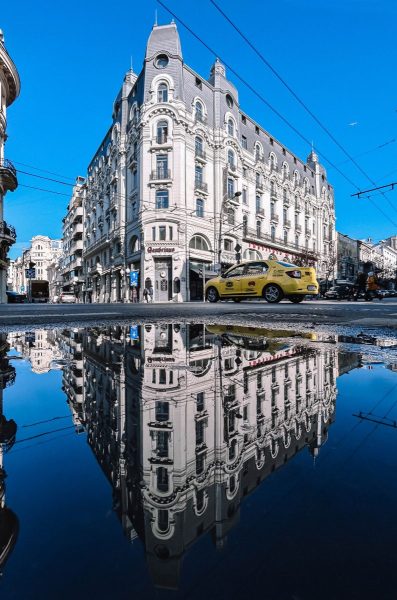
Hotel Cișmigiu, part of Hercesa Romania’s portfolio, saw an increase in the share of Romanian guests in the first half of 2026, with their proportion of total overnight stays rising from 12% to 15%, against a backdrop in which, at national level, overnight stays by Romanian tourists fell by more than 10% in the first four months of the year, according to the National Institute of Statistics.
The hotel’s H1 2026 results reflect the impact of a specific external factor: the suspension of air routes to and from Israel in March and April 2026, amid the escalation of the conflict in the region. Although Israel retained its top position in the source market ranking, accounting for 18% of international overnight stays, its share declined by 5 percentage points compared to H1 2025, when it stood at 23%.
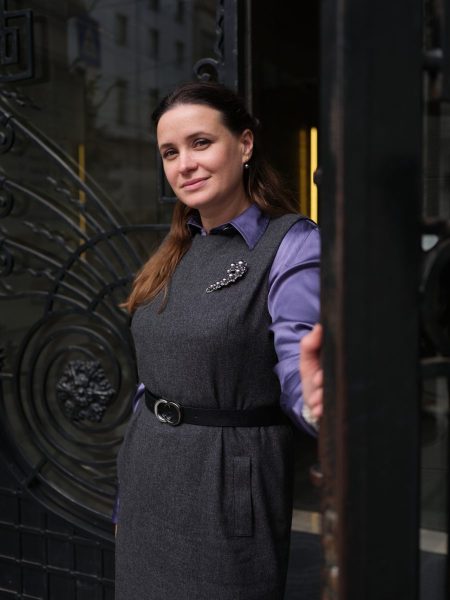
“Other markets partially and naturally offset the decline in Israeli guests, a result of our ongoing strategy to diversify the hotel’s visitor mix as broadly as possible. Moreover, the guests who did stay with us spent slightly more per night than in 2025, even as overall volume declined“, said Mirela Cojocaru, General Manager of Hotel Cișmigiu.
Romania ranks second in the source market breakdown for H1 2026, followed by the United Kingdom, Germany and Spain among international markets. Of international overnight stays, the United Kingdom accounted for 8%, Germany for 7%, moving up one position compared to the previous year, while Spain recorded the strongest relative growth, advancing from 4% to 6%. Italy fell from 11% to 6%, while guests from the United States maintained a steady 5% share.
The ADR (average daily rate) at Hotel Cișmigiu advanced from €121 to €123, a sign that demand quality improved, while the corporate/leisure ratio remained stable at 55/45, confirming the loyalty of the business segment to the property.
Total accommodation revenues at Hotel Cișmigiu came in at €923,000 in H1 2026, compared to approximately €1 million in the same period of the previous year, while the occupancy rate reached 71%, down from 77% in H1 2025 and 78% at year-end 2025. The number of overnight stays was 7,600, compared to 8,300 in H1 2025, with the 8% decline in line with the national trend recorded by INS for the same period.
“Although March and April were difficult months, May and June brought a recovery that gives us confidence for the second half of the year. September and October are traditionally a second peak season for Bucharest, and if this trend holds, we expect to close the year with a deviation of just 2–3% from our targets set at the beginning of the year. The key lesson of this first half is the importance of diversifying our source market mix and we are working to make this a strategic priority going forward“, said Mirela Cojocaru.
Beyond these developments, the first six months of 2026 brought a cumulative set of fiscal and regulatory pressures. The city tax increased by more than 200% compared to 2025, following a change in the calculation model from a percentage-based levy to a fixed amount per tourist per night. The hotel chose to collect the tax separately, keeping ADR unaffected and ensuring transparency for guests and comparability with the prior period.
On the personnel side, the gross minimum wage increased from RON 4,050 to RON 4,325 as of 1 July 2026, a rise of 6.8% whose effects have already been factored into the budget plan for the second half. Added to these were pressures on energy costs, felt concretely in operations through utilities, climate control and equipment, and addressed through medium-term energy efficiency measures.
Overall, hotel management has absorbed these costs through operational adjustments and proactive budget planning, without passing the pressure on to room rates or compromising the quality of service offered to guests. In this context, the fiscal and operational pressures of H1 do not alter the outlook for the second half of the year, with the hotel continuing to pursue its stated objectives.
About Hotel Cișmigiu
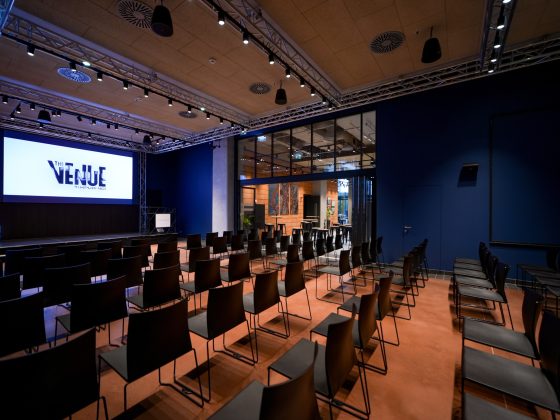
Hotel Cișmigiu includes 60 apartments, five conference rooms with capacities ranging from 30 to 70 people, and an amphitheater. It also serves as a cultural hub, hosting a Humanitas bookstore and the Cervantes Institute.