




Smart Real Estate

Smart Real Estate

Romanians spend 17% more at the mall than two years ago, above the inflation rate. The Mall Effect Index explains why.

Romanians spend 17% more at the mall than two years ago, above the inflation rate. The Mall Effect Index explains why. 752 600 BUCHAREST REAL ESTATE CLUB

Urban consumer behavior in Romania is measured with a dedicated index. Trends over the last three years.

+17%

SPENDING PER VISIT

327 370 383 RON ·

real growth above inflation

64%

REAL CONVERSION

visitors who stated they made a purchase after seeing an ad in the mall · 3-year record

82%

ADS RECALL

growing for 3 consecutive years ·

80% · 81% · 82%

70

MALL EFFECT INDEX 2026

on a  0–100 scale · 65 · 67 ·

70 (series  2024–2026)

The Mall Effect Index (MEI) https://themalleffect.ro/ reached a score of 70 points on a scale of 0 to 100 in 2026, the third consecutive year of growth, from 65 in 2024 to 67 in 2025. Romanians in major cities reported spending an average of 383 RON per mall visit, 17% more than two years ago, a growth that exceeds the cumulative inflation rate over the same period. The indoor advertising conversion rate reached 64%, an all-time record in three years of measurement, and the conversion gap of +7 percentage points shows that more people actually make a purchase compared to those who say they intend to.

WHAT IS THE MALL EFFECT INDEX (MEI)

The Mall Effect Index (MEI) is the first initiative in Romania to longitudinally track consumer behavior in shopping centers. Developed by Generatik together with Reveal Marketing Research, this index aims to bring greater clarity to an area that has been insufficiently measured until now: real consumer behavior in shopping centers and the role the mall plays in the purchasing decision.

Built on three waves of research conducted between 2024 and 2026, the index provides the first coherent insights into how consumption works in Romania’s shopping malls. Until now, the market has had mostly fragmented data on traffic, sales, or reach, but very few integrated tools that track the same type of behavior, using the same methodology, year after year.

The Romanian market has sales data, traffic data, and reach data. What it has lacked until now is a tool that measures the same behavior, with the same method, year after year. Without that, you cannot tell whether what you see is a real trend or just year-to-year variation”, explains Marius Luican, founder of Reveal Marketing Research, highlighting the role of methodological continuity in this endeavor.
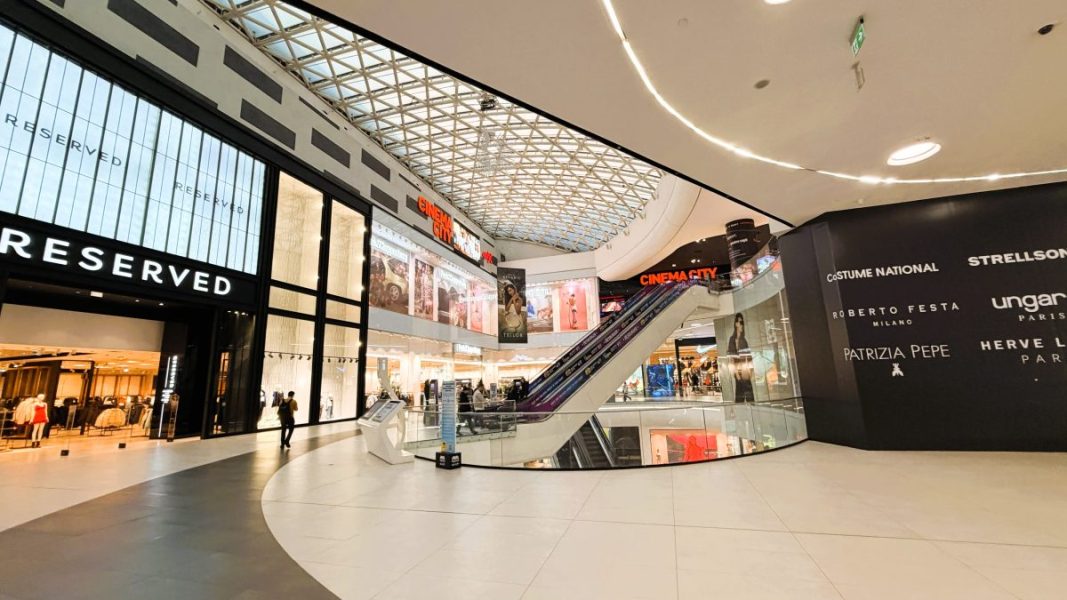
From an advertising effectiveness perspective, approximately 8 in 10 visitors reported having seen advertising in the mall during their visit , this is the exposure rate, the first sub-index of the index, measuring how many visitors have visual contact with indoor advertising. 64% of respondents said they made a purchase as a result of an ad seen inside, representing the conversion rate, the only sub-index that measures real behavior rather than stated intent. However, the index’s surprise indicator remains the difference between stated intent, what people say they will do after seeing an ad, and actual purchasing behavior: more respondents said they actually made a purchase (64%) than stated they intended to (57%). This 7-percentage-point gap, called the Conversion Gap, shows that the influence of mall advertising operates beyond consumer awareness, and that the mall functions more as a decision-making and purchasing space rather than merely an exposure space. At the same time, indoor advertising recall, the extent to which visitors exposed to advertising retain something from what they saw, has grown for the third consecutive year, a rare phenomenon in Romania’s media landscape.

The influence of indoor advertising appears at a specific moment of the visit, defined by the authors as the “Golden Moment”, the point at which context, exposure, and consumption readiness align.

The conversion gap is the golden nugget that mall advertising adds to the relationship between brand and consumer. When we go to the mall, we are much more open to discovery and purchase decisions than in other contexts. For the first time, this effect is beginning to be quantifiable”, explains Răzvan Marincoi, Product Manager at Generatik, Creator of The Mall Effect Index.

The 2026 study data paints a picture of a more active urban consumer who is spending more than in previous years. The average spending per visit reached 383 RON, exceeding the cumulative inflation rate over the analyzed period. The data suggests that the physical mall remains the primary point of contact and validation in the purchasing process, decisively influencing the final choice, even when the transaction subsequently shifts online.

The data also points to a shift in urban consumer behavior: the mall remains a relevant commercial space but is increasingly gaining a social dimension. At the same time, consumers appear to be becoming more efficient, spending more during shorter visits.

After three consecutive years of measurement, the real conversion of mall advertising reached 64% in 2026, the highest since we started measuring. At the same time, average spending has increased, and advertising recall grows every year. We are no longer talking about a snapshot. We are talking about a structural trend that positions the mall as one of the most effective communication channels in Romania”, said Răzvan Marincoi, Product Manager at Generatik, Creator of The Mall Effect Index.

The project’s authors emphasize that The Mall Effect Index is an evolving endeavor, built on three years of comparable measurements. Derived from a larger study on consumer behavior and based on self-reported responses collected via the CAWI method, the index currently provides an overview of consumption trends in the mall.

The Mall Effect Index marks a shift in perspective in how the industry can understand consumer behavior in the mall: from measuring volumes to the mechanisms behind the purchasing decision. Based on three years of comparable data, the index is already outlining a first frame of reference , for brands and marketers, for media agencies, for investors and shopping center operators, and is preparing to reach a greater level of granularity. In editions 4 and 5, the analysis will be developed through dedicated studies and expanded with differentiations by mall type, city, and consumption category, built together with all interested parties.
Navigating Europe’s mandatory building energy efficiency regulations

Navigating Europe’s mandatory building energy efficiency regulations 1067 600 BUCHAREST REAL ESTATE CLUB

Not long ago, energy performance was a nice-to-have. A green label on your building said something about your values, but rarely influenced whether tenants signed a lease or investors backed up your portfolio. Today, it’s a different story. Across Europe, managing energy usage is no longer just a bonus – it’s a regulatory baseline. And for the business sector, whether it’s offices, the hospitality industry or retailers, that baseline is moving fast.

The laws driving change

At the heart of this shift are two legislations from the European Union: The Energy Performance of Buildings Directive (EPBD) and the Energy Efficiency Directive (EED). Together, they form the backbone of the EU’s strategy to decarbonize one of its most emissions-heavy sectors: buildings. According to the European Commission1, buildings are responsible for 40% of the EU’s energy consumption and over one third of the EU’s energy-related GHG emissions come from buildings.

1 Source: Energy Performance of Buildings Directive

The aim of the EPBD is to achieve a fully decarbonized building stock by 2050 to contribute to the EU’s energy and climate goals. Of course, this doesn’t happen overnight and there are several steps to take in between to get there. From 2030 onwards, all newly constructed buildings must be zero-emission. For public buildings, that deadline comes even sooner: 2028. And for the vast majority of existing office stock across Europe, national governments are rolling out mandates to push renovations of the worst-performing buildings.

It doesn’t stop there. The EED adds another layer of urgency, compelling public authorities to renovate 3% of their building stock2 every year – expanding the obligation to all public buildings, including those at local and regional levels. As part of a broader energy savings target, the expectation is clear: doing nothing isn’t an option.

2 Source: Public buildings

Rethinking the building space

Reaching compliance can seem like a daunting task, but everyone in the sector should see it as an opportunity to drive transformation. It’s not just about meeting new rules, but it is an invitation to rethink how buildings should function in a world that demands more: from energy, from resources, and from the working environments we create.

And it’s not just a technical challenge, it’s also about meeting tenants’ needs. Today, they are asking more questions and corporate users are under their own pressure to make continuous progress in their net-zero roadmap. A high-performing energy label is no longer a vanity metric; it’s part of their ESG reporting and a growing factor in their leasing decisions. Buildings that don’t keep up risk falling out of favor, or off the market altogether.

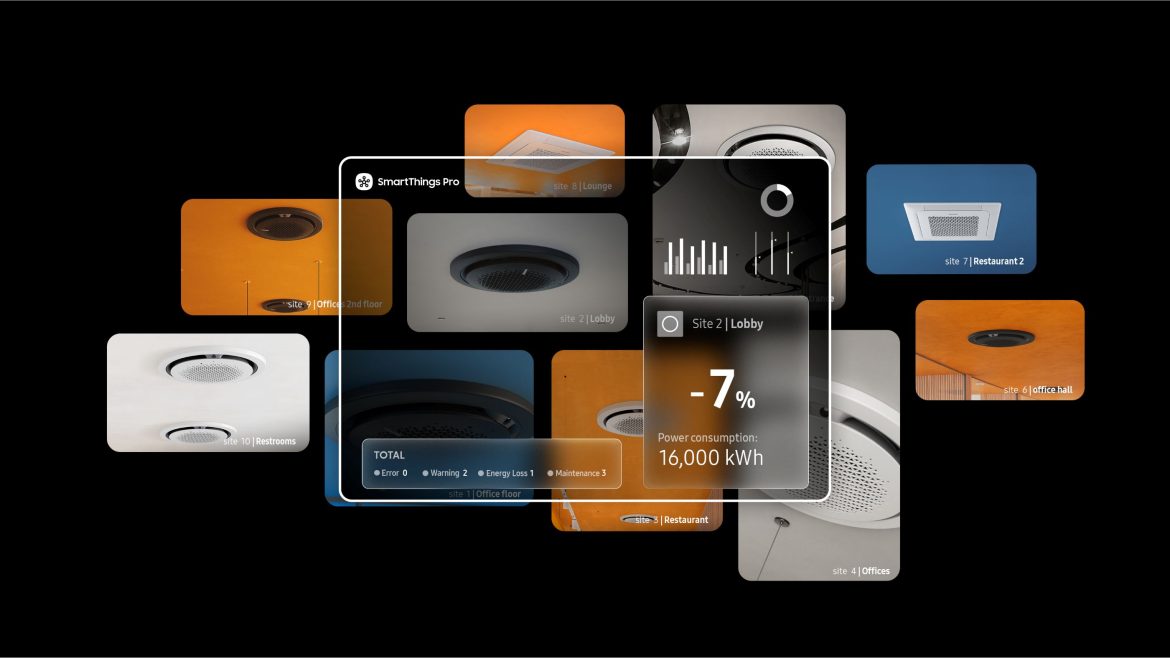
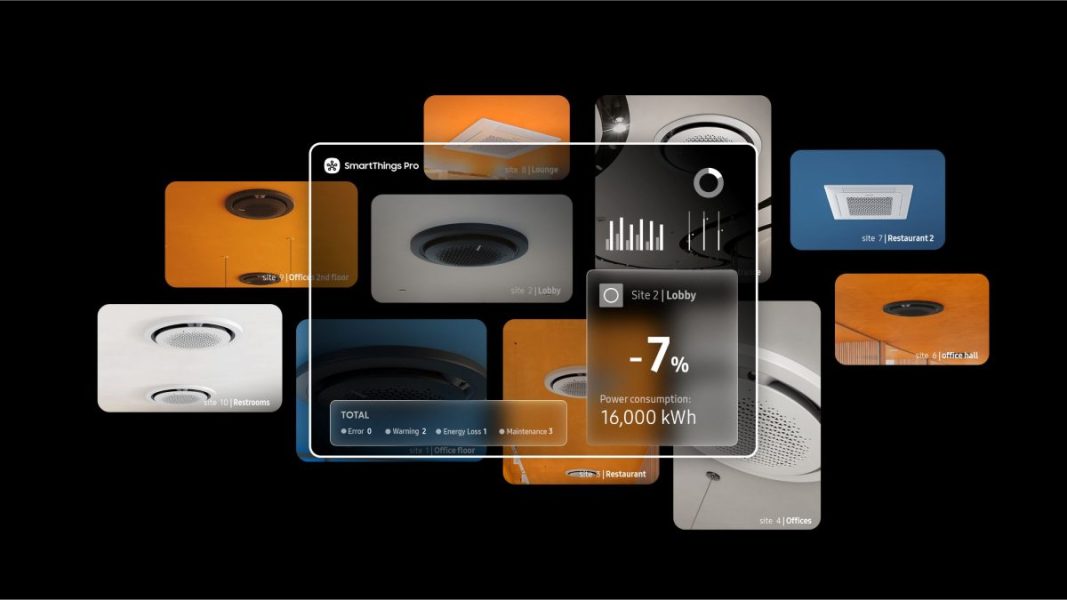
Furthermore, suppliers like Samsung Climate Solutions are continuously driving innovation to support building owners and facility managers. Not just in terms of the latest modern HVAC systems but also when it comes to smart technologies. For example, we recently introduced our SmartThings Pro software solution which enables business owners and site managers to monitor and control climate control devices in commercial buildings. Its user-friendly interface lets users check the status of various IoT devices across different locations3. The dashboard is equipped to improve the efficiency of managing additional facility equipment with device status checks and remote-control options. This will help owners and managers enhance the tenant experience and improve the long-term value of their portfolios.

3 Is only available with SmartThings Pro Advanced License model codes: HD-DASHBDST1A1 and HD-DASHBDST2A1.

The retrofit reality

Of course, not every building is easily upgraded and the reality is more complex. Did you know that 85% of buildings in Europe were built before 2000 and amongst those, 75% have a poor energy performance? Emphasizing that action is needed. However, the fact is that Europe’s office landscape is filled with aging, space-constrained, or architecturally protected structures where a full revision isn’t always straightforward.

Compact systems which are optimized for energy efficiency4 – like Samsung’s HVM Chiller systems – offer a modular concept, allowing building owners to connect up to 16 outdoor units to meet their needs. Since they have a compact and lightweight design, it’s possible to combine and install multiple units even when space is limited. And its flash injection technology and a highly efficient heat exchanger increase the heating performance during heating mode in low ambient conditions. Helping building owners make critical upgrades to their buildings.

4 HVM Chiller outdoor units have a SEER (Nominal Cooling) of 5.7 and SCOP (Nominal Heating) of 4.3. Tested based on the AG042 model at test conditions: Water 35 without pump input. Results may vary depending on environmental factors and individual use.

Leading by example

There is a lot of work to be done, but this transition isn’t fully uncharted territory. Across Europe and Asia, forward-looking building owners have already embraced integrated systems that connect climate solutions with smart building management. By combining modular retrofits with integrated climate platforms, they’re proving that transformation is not only feasible — it’s happening now.

One of the examples is the Warsaw Hub, a multifunctional office complex in Warsaw, Poland, combining office spaces, collaboration hubs, and hotels. Two connected towers, standing at 130m and 86m respectively, house advanced building management systems, including Samsung’s DVM S Water for centralized cooling. A total of 2,101 indoor units have been installed throughout the building, ensuring seamless integration with a variety of systems. Samsung’s b.IoT solution was used here to enable monitoring and control of the HVAC systems, optimizing energy use and providing ease of operation. Samsung’s cutting-edge algorithm-driven system meets the demands of large-scale centralized AC systems.

This is just one example, but there are countless more to show others have paved the way and you don’t have to reinvent the wheel. Besides, it’s important to keep the benefits in mind: buildings with optimized climate solutions are more comfortable to work in, easier to lease, and increasingly attractive to tenants with their own corporate responsibility goals. They suffer less downtime, and send a clear message to the market: we are ready for the future.

A structural shift, not a passing trend

The regulatory shift currently sweeping through Europe is not a passing storm. It’s a structural transformation of the built environment, and it’s moving faster than many expected. But amid the pressure lies an enormous opportunity. For those ready to invest, adapt, and lead, this moment can mark the beginning of a modern and more resilient office portfolio.

The heat is on: Working on the future of home comfort

The heat is on: Working on the future of home comfort 900 600 BUCHAREST REAL ESTATE CLUB

A recent report by the European Heat Pump Association (EHPA) underscored this shift: Europe faces a growing “cooling gap” – a mismatch between rising demand for cooling and the infrastructure currently in place to deliver it. As temperatures climb and energy regulations tighten, both the HVAC industry and homeowners are being urged to adapt. But adaptation isn’t only a matter of comfort – it’s also one of climate responsibility.

This is where innovation comes into play. For forward-thinking manufacturers and solution providers, the challenge of smart heating and cooling solutions is becoming a catalyst for progress. Residential solutions – especially heat pumps and air conditioners – play an important role in achieving EU’s decarbonization goals. And with new legislation coming into effect, the time to act is now. (source: www:climate.ec.europa.eu)

The role of regulation – A catalyst for cleaner solutions

In March 2024, the EU’s revised F-gas Regulation (EU) 2024/573 came into effect, aiming to control the emissions of F-gases used as refrigerants to reduce their impact on global warming. The revision brings new rules, including future bans on certain types of f-gases in products and a quota system to limit the total amount of f-gases placed on the market in Europe. Due to these changes, the industry will, in the coming years, invest in new technologies to use refrigerants with lower Global Warming Potential (GWP).

Samsung is contributing to the F-gas Quota transition towards lower GWP refrigerants, such as R32 and R290, and will continue to invest in alternatives,” says Roxana Răducanu, Head of Division at Samsung Climate Solutions, for Romania and Bulgaria. “A striking example of our dedication to designing advanced heating and cooling systems that adapt to the evolving industry needs are Samsung’s DVM and the EHS indoor and outdoor units. By introducing these new products, Samsung is positioned to comply with future European regulations and support the goals of the European ‘Fit for 55’ package and the targets set under the Montreal Protocol.”

To zoom in a bit further, Samsung recently introduced the DVM S Mini R32 outdoor unit. The unit is equipped with R32 refrigerant, which has a lower Global Warming Potential (GWP) compared to the previous refrigerant R410A. The EHS Mono R290 takes it one step further with the R290 refrigerant having an even lower GWP, without requiring additional investments to improve the thermal isolation.

Seamless setup, quiet operation, aesthetic appeal

Attention is paid to both homeowners and installers as the units are in general easy to handle as well as simple to install, service and maintain. For example, the EHS Mono R290 has a side-panel for easy access to internal components, which helps to save time during installation, maintenance and servicing procedures. Moreover, the DVM S Mini R32 integrates the latest technologies like IoT and several AI functionalities. Supporting streamlined installations, optimized energy monitoring, all while maintaining a comprehensive oversight of integrated systems.

That’s not all, most of the systems are also known for their quiet operation. The DVM S Mini R32 includes Silent Mode, a sound absorbing technology to reduce noise distractions. Also, Samsung’s EHS Mono HT Quiet and the EHS Mono R290 operate at noise levels as low as 35 dB(A) sound pressure using a 4-step Quiet Mode. These heat pump’s outdoor units feature a double-layered, sound insulation system fitted with a patented Groove Grid Felt design, which effectively blocks and absorbs noise produced by compression parts and vibrations.

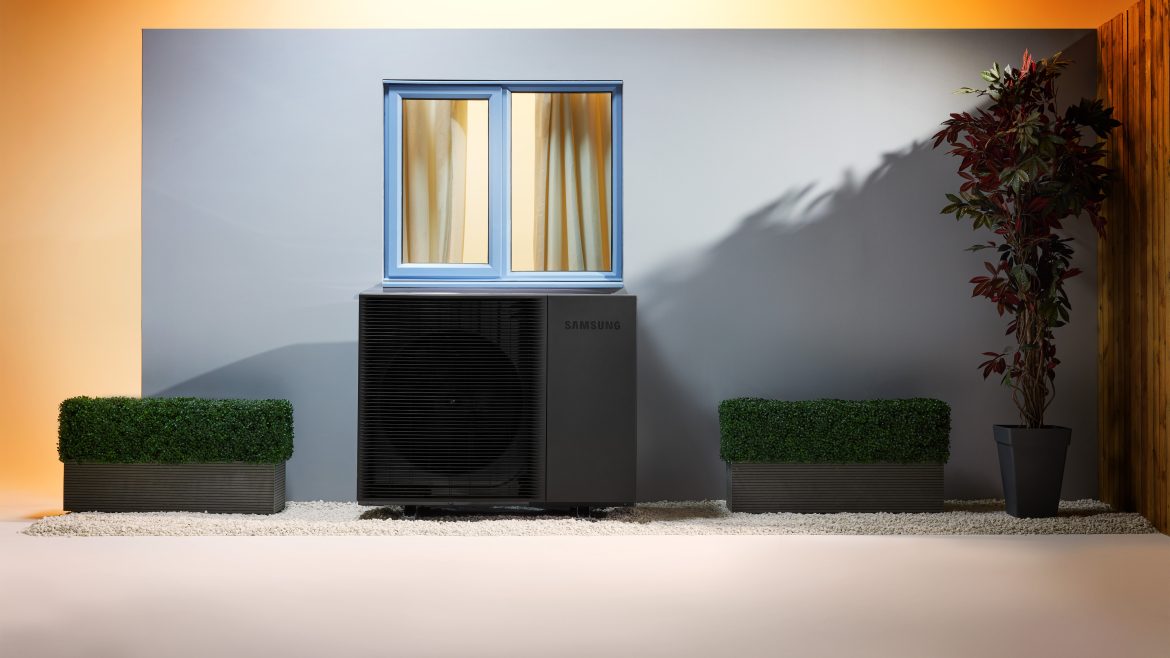
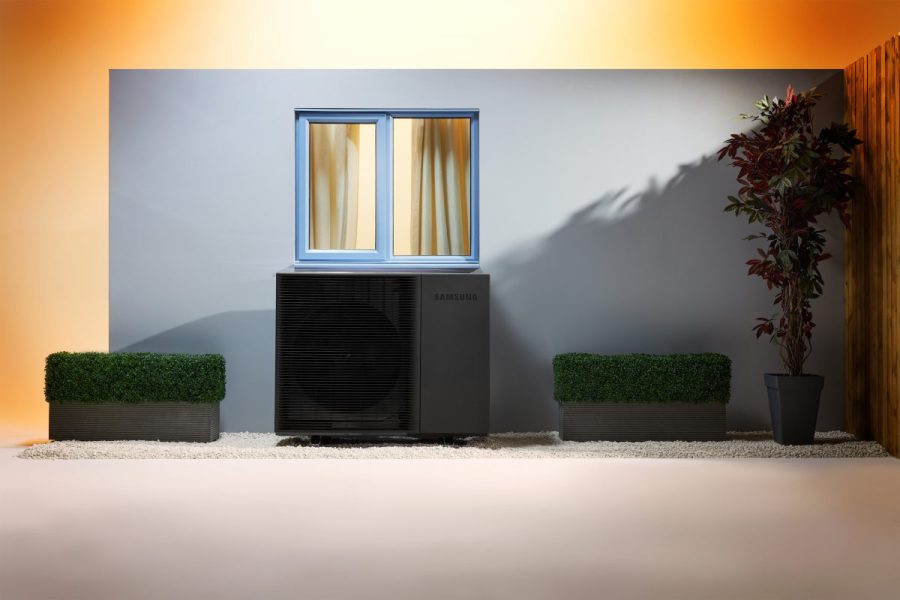
Of course, appearance does matter as well, and design plays an important role within Samsung. The EHS Mono R290 and the EHS Mono HT Quiet seamlessly blend into any building’s exterior and are available in a dark grey color which complements the current trend of modern building exteriors. The EHS Mono HT Quiet even received an iF Design award during ISH (2025).

Recently, two new additions to the EHS heat pump line-up have been revealed: the EHS ClimateHub and EHS Hydro Unit, solutions for heating and domestic hot water for residential homes. Both with a compact design, making them an easy fit for a variety of spaces, and its greige color is modern, blending in well in most household interiors.

Compatibility, usability and optimized energy control

The EHS ClimateHub and Hydro Unit can be connected to Samsung outdoor units, always creating the right fit for different residential needs. Both ClimateHub and Hydro Unit connected to the EHS outdoor units offer improved dependability for heating and domestic hot water requirements. On top of that, the renewed ClimateHub could improve energy efficiency compared to previous models due to the increase of the overall heat transfer area by 23% and the domestic hot water efficiency has increased from 115% to 148%, due to the triple insulation – a welcome benefit for users.

In addition to improved dependability, the ClimateHub and Hydro Unit also offer improved interaction. Firstly, AI Home features a user-friendly interface, that supports multiple languages and presents information through the intuitive layout on the 7″ display. Users can scan a QR-code to download and open the user manual in several languages on their smartphone.

AI Home offers users a sophisticated smart home control experience with real-time updates on energy usage on the detachable 7″ display. Schedules can be easily adapted, and temperatures adjusted to suit outside weather conditions.

Advanced technologies for a comfortable home

For optimal home comfort, but also out of necessity due to rising temperatures, keeping homes and buildings cool becomes more and more important. That is why air conditioning is an essential feature of any well-equipped, comfortable home. The 2025 line-up of Samsung residential air conditioners has recently been revealed. The line-up incorporates advanced technologies to cater to the diverse needs of modern living and improves indoor air quality.

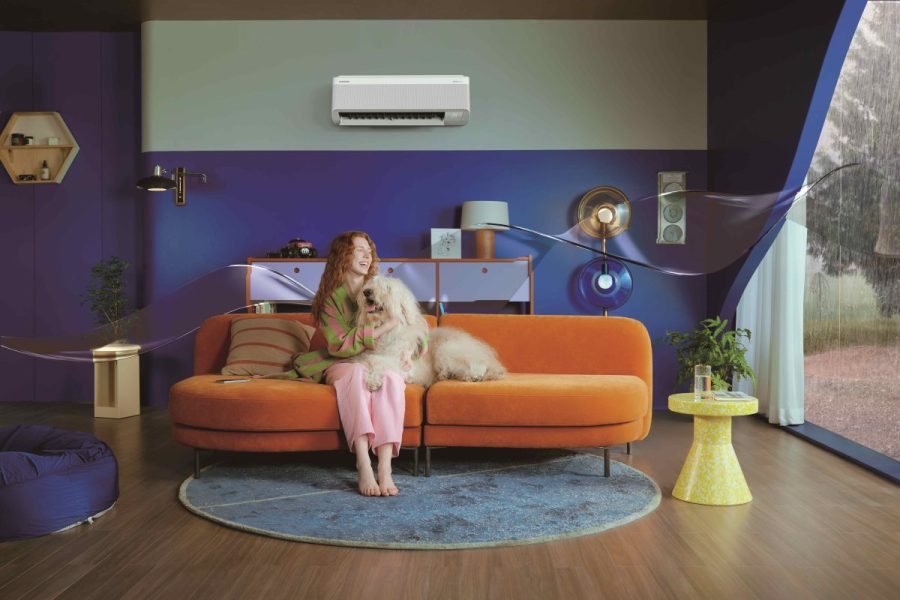
One of the top-selling models is the Samsung WindFree™. The WindFree™ Cooling mode helps to keep the room comfortably cool as it cools gently and quietly. It disperses air through 23,000 micro-holes preventing cold drafts. This results in a ‘Still Air’ environment with a low air speed and limited noise. The advanced airflow structure of this mode evenly cools wider and larger areas.

With the SmartThings App, users can adjust and control their air conditioner even when they are not at home. By activating the app on a smart device, users can turn the air conditioner on or off, select the cooling mode, schedule their air conditioner’s operation and monitor power consumption.

The line-up is further equipped with AI Auto Comfort, introducing residents to the experience of intelligent climate control. To simplify climate control, it automatically optimizes the various modes by analyzing room conditions and usage patterns. Based on the user’s preferred indoor temperature, the unit automatically switches to the most appropriate cooling and heating mode to maintain optimal and comfortable room conditions. This includes WindFree™, Fast and Normal Cooling. The product is compatible with Bixby 2.0, allowing users to give voice commands to adjust indoor conditions accordingly.

Meet our members: BREC talks to Roxana Răducanu, Head of Division for Romania and Bulgaria at Samsung Electronics Air Conditioner Europe (SEACE)

Meet our members: BREC talks to Roxana Răducanu, Head of Division for Romania and Bulgaria at Samsung Electronics Air Conditioner Europe (SEACE) 1200 600 BUCHAREST REAL ESTATE CLUB

 09.07.2025

Roxana Răducanu, Head of Division for Romania and Bulgaria at Samsung Electronics Air Conditioner Europe (SEACE)

What are the main challenges & opportunities for the HVAC market in 2025, considering the increasing focus on energy efficiency and sustainability?

One of the biggest challenges we face is the F-Gas Regulation, which mandates the phase-down of high Global Warming Potential (GWP) refrigerants. While this comes with some technical difficulties, it also pushes us to develop new, eco-friendly technologies and invest in more and more sustainable solutions. Additionally, rising global temperatures have increased demand for air conditioning solutions, while the push for greener alternatives is driving a growing interest in heat pumps—a niche segment in Romania, where we are expanding steadily.  

At a global level, in 2025 Samsung will strengthen its strategy for using AI technology to make the connected device experience safer, more inclusive, and more energy – efficient.

What external factors (e.g., regulations, economic trends) are having the most significant impact on the industry nowadays?

The F-Gas Regulation and the EU Green Deal 2030 are shaping our product development strategy. These policies serve as guiding principles, encouraging innovation in energy-efficient solutions. On the economic side, the construction sector has a direct impact on HVAC demand. Legislative and fiscal changes within the construction industry directly impact HVAC investments, making regulatory stability and incentive programs critical for market growth.

What are the company’s business targets and plans for 2025?

Over the past five years, we’ve maintained a double-digit growth, and in 2024, our turnover increased by 30% compared to the previous year. We grew in the residential market, in particular, achieving a remarkable 50% growth—a testament to our ability to meet evolving consumer needs with cutting-edge heating and cooling solutions.

Education and innovation are at the core of our 2025 strategy. We are launching in Romania our Samsung Climate Solutions Academy, following the growing demand for our specialized training programs. This training center is designed to educate partners and consultants on new technologies, ensuring optimal system efficiency and user benefits.

In the same time, we’ll continue to focus on leveraging artificial intelligence that helps end – users optimize energy consumption. Our SmartThings Energy app and AI-driven HVAC solutions, such as DVM S2 – that stands out with its seamless integration of artificial intelligence (AI), are at the top of our priorities.

What new products or technologies does Samsung Climate Solutions plan to introduce in the near future to address emerging trends?

 We have several exciting product launches planned! Continuous expansion of our heat pump range, designed for easy installation, fast maintenance, and AI-driven energy optimization.

The launch of SmartThings Pro for business-critical building control. The platform extends the familiar SmartThings experience into the commercial space, allowing facility and site managers to monitor and control climate systems and other connected devices remotely, across multiple buildings. By combining intelligent automation with real-time insights, the platform enables businesses to improve operational control, potentially reduce waste and support long-term business goals.

The 2025 line-up of Samsung residential air conditioners has recently been revealed. The line-up incorporates advanced technologies to cater to the diverse needs of modern living and improves indoor air quality.

How does Samsung Climate Solutions plan to align with Romania’s and the EU’s green energy targets for this year?

At Samsung Climate Solutions, we are strongly aligned with both Romania’s and the EU’s green energy goals for 2025. Our commitment is reflected in the way we engineer our HVAC systems — prioritizing high energy efficiency and enhancing performance through AI-powered optimization.

First, we recognize that buildings account for nearly 40% of Europe’s energy consumption and over a third of CO₂ emissions, which makes smart building control a powerful lever in the journey to NetZero by 2030 (source: https://www.europarl.europa.eu/ and www.energy.ec.europa.eu). To tackle this, we’ll launch SmartThings Pro, our advanced building management platform that will enable facility managers to monitor, control, and automate HVAC systems efficiently across multiple sites — supporting smarter energy use and emissions reduction in line with NetZero goals.

Second, we’re actively supporting the F-gas Quota transition by integrating low-GWP refrigerants such as R32 and R290 into our product portfolio. By introducing these new products, Samsung is positioned to comply with future European regulations and support the goals of the European ‘Fit for 55’ package and the targets set under the Montreal Protocol.

Lastly, we’re leading innovation with solutions like the DVM S Mini R32 and EHS Mono R290 units. These products not only deliver high performance but also incorporate refrigerants with lower Global Warming Potential, without requiring costly upgrades to building insulation — making heating and cooling more accessible and future-ready.

POWER CUBE 150, a versatile solution for energy storage and for charging electric cars

POWER CUBE 150, a versatile solution for energy storage and for charging electric cars 900 600 BUCHAREST REAL ESTATE CLUB

PRIME Batteries Technology, Eldrive Romania and ALLSPARK Energy present a versatile solution for energy storage and charging electric cars. The “Energy Cube” is named POWER CUBE 150 and can power electric cars with energy captured from the grid or from photovoltaic panels. It is ideal for areas where the electricity grid needs upgrading.

Similar to the principle of harvesting and using rainwater, the POWER CUBE 150 can capture and store energy from the grid, with low and constant consumption, to protect the electrical systems in the area. When an electric car comes to be charged, it can benefit from high charging power – up to 150 kW – without affecting the electricity grid.

This makes the POWER CUBE 150 ideal for use in remote hotels or hostels, but also in gas stations, which often do not have enough installed power to ensure normal gas station operation, plus charging stations for electric cars.

“I’m glad that Eldrive Romania is part of this project because we can show how versatile are the charging solutions that our company offers to customers. Our charging services for electric cars are located in the parking lots of shopping centers, office buildings, residential neighborhoods and fuel stations, and now we can also go to more remote areas or where the national electricity grid is underdeveloped,” said Camelia Popescu, Country Manager, Eldrive in Romania.

Eldrive has made it a priority to increase the density of charging points for electric cars throughout Romania and to ensure a reliable charging service.

BUSINESS REPORT IN ROMANIA – Q4 2021: Economy under full speed towards the year-end

BUSINESS REPORT IN ROMANIA – Q4 2021: Economy under full speed towards the year-end 890 683 BUCHAREST REAL ESTATE CLUB

Legislative predictability and measures to mitigate the side effects of the Covid-19 pandemic are highly needed by the business environment

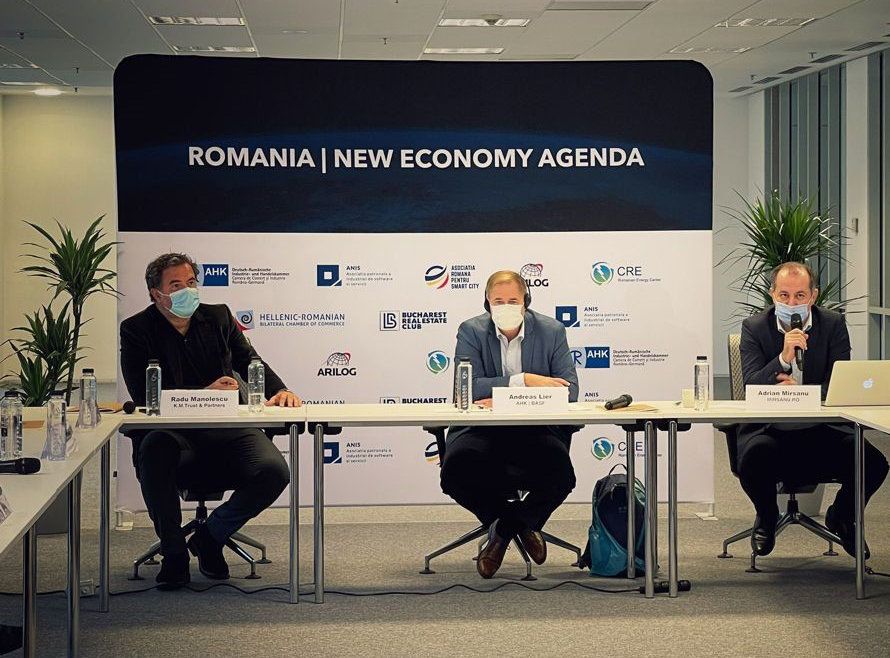
  • Germany remains Romania’s main trading partner: EUR 16.4 billion (+ 20.5%) is the trade volume between the 2 countries in the first 6 months of the year. The figure could exceed the level registered in 2019 (approx. EUR 32 billion), according to AHK – the Romanian-German Chamber of Commerce and Industry.
  • Green energy and the identification of new energy technologies will be the main trends in the field in the coming years, in the context in which energy, the main cost associated with essential products for daily living, is becoming more and more expensive, according to CRE – Romanian Energy Center.
  • In the real estate sector, the investments continue. Major players are adapting to the new realities, with a focus on sustainability and digitalization, according to BREC – BUCHAREST REAL ESTATE CLUB, the organization that gathers the largest real estate investors, with portfolios of over EUR 6 billion.
  • Technology and the contribution of IT&C players continue to accelerate the local economy. Romania must continue its digitalization efforts, so that the domestic IT industry will reach a share of 10% of the Gross Domestic Product, compared to 5.7%, the level reported in 2019, according to ANIS.
  • Logistics and transport keep on developing. The lack of manpower (including at senior management levels), specialized education, delayed obtaining of permits where they are needed and the slow pace of infrastructure investments are putting pressure on this sector, according to ARILOG.
  • The Romanian Association for Smart City prioritizes Romania’s “smart community” strategy, based on feedback on the needs of local communities.
  • HoReCa: the staffing crisis has now reached the highest level in the hospitality industry. The Employers’ Organization of Hotels and Restaurants in Romania – HORA Romania – supports projects to debureaucratize the processes of authorization of public catering units and tips regulation, essential measures to reduce the staff deficit in HoReCa and to encourage healthy development and attract investments.
  • Measures are needed to accelerate the vaccination campaign, given that Romania has only reached a threshold of 31%, while Western countries have exceeded 80% and lifted restrictions. Investors point out that, although businesses active in Romania reported good results during the pandemic, factors such as inflation, rising raw material or energy costs could have a major impact on the business, along with possible new restrictions due to the pandemic. Eurofin data, one of the largest companies in the field of health and safety at work, shows that 7 out of 10 Romanian employees suffer from anxiety, a side effect of the pandemic that puts more pressure on the economy and society.

Investments continue in most of the economic sectors and the transformation and permanent adaptation to new realities remain key business priorities in the 4th quarter of 2021, concluded the participants at ROMANIA Business Forum. NEW ECONOMY AGENDA. The event was co-organized by 8 business associations, which represent some of the largest contributors to Romania’s GDP: AHK Romania – The German-Romanian Chamber of Commerce and Industry, ANIS – Employer’s Association of the Software and Services Industry, Romanian Association for Smart CityARILOG – Romanian Logistics Association, CRE – Romanian Energy Center, HORA – Employers’ Organization of Hotels and Restaurants in Romania, Hellenic-Romanian Chamber of Commerce and BUCHAREST REAL ESTATE CLUB.

The main figures and business realities in Q4 of 2021:
GERMAN INVESTMENTS IN ROMANIA:

  • Germany remains Romania’s largest trading partner, with trade volume amounting to EUR 30.9 billion in 2020. The volume of trade in the first 6 months of 2021 between the two countries was EUR 16.4 billion (+20, 5%). “By the end of 2021, we expect the figures to grow even above 2019 (about EUR 32 billion),” AHK estimates.
  • Andreas Lier, President of AHK Romania, addressed the issue of sustainability, in the context of the European Green Deal, which aims to transform the European economy into a neutral one in terms of environmental impact by 2050. “The Green Agreement it includes a policy agenda that covers many areas, from carbon neutrality to the circular economy, smart mobility and more. We need a strong industrial policy and a regulatory framework for the EU Green Agreement to be a success“, says Andreas Lier, President of AHK Romania.
  • The pandemic continues to have a strong impact on companies, especially in terms of supply chains. 81% of companies surveyed in an AHK survey report price increases or supply difficulties. With over 550 member companies, AHK is the largest bilateral Chamber of Commerce in Romania and is the official representative of the German economy in Romania.

ENERGY, THE MAJOR STAKE. ENERGY PRICE FLUCTUATIONS PUT PRESSURE ON THE ENTIRE ECONOMY, AS WELL AS ON THE CONSUMER

  • Fluctuations and evolutions in the energy field – such as higher gas or electricity prices – will put pressure on both companies in the economy, production units and the standard of living of the final consumer, the representatives of the Romanian Energy Center (CRE) highlight.
  • The taxation of CO2 emissions by the EU determines pressure on increasing the price of energy and at the same time encourages new investments in renewable technologies. This mechanism can become problematic for states where the profitability of the economy is marginal, as is the case in Romania. The solutions for our country can come from 2 main directions: endorsing support schemes in terms of energy efficiency for companies and industrial consumers and managing the decrease of energy poverty in conjunction with compensating vulnerable consumers.

REAL ESTATE INVESTMENTS CONTINUE, MAJOR PLAYERS KEEP ON ADAPTING TO THE NEW REALITIES

  • Investments continue in the Real Estate sector,. The major players keep on adapting to the new trends and user requirements, by integrating technology, diversifying their portfolios and preparing for the post-pandemic stage, according to BUCHAREST REAL ESTATE CLUB.
  • IMMOFINANZ continues its current investments both on the office segment (modernization of the Bucharest Financial Plaza building and its transformation into an emblematic myhive building, with high quality spaces and construction certification level for sustainable development Gold, as well as starting the process of transformation of Victoria Park building also in a myhive property), as well as in the retail portfolio (a complex refurbishment process of the VIVO! Baia-Mare shopping center is underway, on a​ ​10.000 sqm an area, which will be completed in Q4 2021).
  • After completing the takeover of the Campus 6.2 and Campus 6.3 buildings in Skanska, the Austrian fund S IMMO is working on a new boutique office project – Dorobanti Office Building (5,000 sqm). Mixed-use projects, which include multiple functions and facilities are the big winners following the pandemic. AFI intends to develop a new project near AFI Cotroceni, with 3 functions: apartments for rent, offices and retail spaces and Vastint plans a new phase (offices & retail) of the mixed project from Timpuri Noi.


IT & C

  • Technology and the contribution of IT&C players will accelerate the local economy. This segment continued to grow both in terms of revenue and number of employees, despite the fiscal and political unpredictability that dominates the local landscape. In order for this sector to maintain the same growth rate, ANIS recommends continuing public and private investments and initiatives in strategic areas such as education and innovation, aimed to support the medium and long term development of the local software and services industry. By supporting the adoption of digitalization, the sector can reach a share of 10% of GDP, compared to 5.7%, according to the ANIS study launched in December 2019. ANIS is the only Romanian Employers’ Association of the Software Industry and Services. The more than 160 ANIS member companies represent approximately 66% of the total Romanian IT industry and employ approximately 42% of the IT workforce.
  • Regarding the impact of the pandemic on the employers and employees in IT&C, staff retention, employee satisfaction and productivity were the most affected by the “Work From Home” phenomenon, by 13%, 24% and 19% respectively, according to a survey conducted by ANIS among the IT&C companies.

SMART CITY

  • The Romanian Association for Smart City prioritizes Romania’s “smart community” strategy, based on feedback on the needs of local communities.
  • “We are working on macro projects on digitalization and digital transformation, Smart City and Smart Village projects, but especially community development projects in relation to the opportunities offered by PNRR”, says Eduard Dumitrascu, President of the Romanian Association for Smart City.
  • In Romania there are a total of over 860 smart city initiatives. We also have relevant projects in smart villages – Sadu, Selimbar, Luncavita -, but also several other projects that develop these rural communities, located in the vicinity of large urban agglomerations, which understood the magnet role that the urban centers have and they came with solutions for increasing the quality of life or for developing the infrastructure. PNRR is an opportunity for Romania’s development, including at the level of rural communities, underlines the representative of the Romanian Association for Smart City, the Smart City industry organization with over 270 members and partners from local authorities, business, academia and civil society.

LOGISTICS:

  • Logistics and transportation report steady business and growing profits. Transport and logistics companies achieved a EUR 2.88 billion turnover in 2020 (comparable to EUR 2.89 billion t/o in 2019), but with increasing profits – from EUR 142.7 million in 2019, to EUR 169.2 million in 2020, according to data published by Tranzit magazine.
  • However, several major challenges are putting pressure on the logistics sector at the moment: the lack of manpower – not only at the level of workers and specialists, but also at the higher levels of management; the lack of recognition of the sector in the national economy, hence the lack of education both at the academic level (there is no logistics faculty yet) and at the level of employers` mentality, who do not invest in staff training,” emphasizes ARILOG – Romanian Logistics Association, which brings together over 100 companies with field of activity in logistics, distribution and adjacent fields. The slow pace of public investment in infrastructure also puts pressure on this sector, major logistics players say.
  • The taxation of drivers’ daily allowance proposed by ANAF brings great challenges to carriers, many of them being at bankruptcy risk; on September 29, 2021, a large protest was organized in the Capital against these regulations as well as the crisis on the RCA market and the quarantine of professional drivers.

HORECA

  • HORECA’s contribution to Romania’s GDP is about 5.07%, according to the HORA Employers’ Organization, which supports debureaucratization projects and tip regulation.
  • “The 3 main challenges of the industry are the lack of predictability in the context of the pandemic, the workforce shortage, as well as the very tense relationship between landlords and tenants,” said Razvan Crisan, HORA Vice President and Co-founder & CEO – Kane Group.

GREEK INVESTMENTS IN ROMANIA:

  • The Greek investments portfolio in Romania reached EUR 162 million in Q4 2021, according to the Hellenic-Romanian Chamber of Commerce. Romania ranks 5th as a foreign investment destination for Greece, and this is the 8th largest foreign investor in Romania, with a percentage of 3.8% of total foreign direct investment.
  • Greek investments continued, both in 2020 and in 2021. These were mainly concentrated in the medical sector but also in the retail / wholesale / tourism segments. Among the most recent Greek investments is ATENA MEDICAL CENTER – an investment of EUR 3 million. Also, in the first half of 2021, the Saracakis Group – a representative of agricultural equipment – started operating on the Romanian market and the international real estate management group Zeus acquired 3 hotel units in Bucharest.

All representatives of the economic sectors present at the event highlighted:

  • the need for legislative predictability
  • for dialogue with the business environment, beyond political agendas (before the adoption of legislative measures with impact on the economy)
  • accelerating the digitization processes and administrative transparency at the level of public authorities
  • increasing the administrative capacity and the business of attracting European funds
  • a consistent focus on education and the growth of new generations of specialists (in the conditions of an increasing pressure on the local labor force)
  • as well as the continuous need for sustainable taxation measures of the economy

29.09.2021


Member News: Skanska & ROGCB collaborate on pilot project to develop the Net Zero Carbon Buildings certification

Member News: Skanska & ROGCB collaborate on pilot project to develop the Net Zero Carbon Buildings certification 800 600 BUCHAREST REAL ESTATE CLUB


Skanska, one of the largest office buildings developers in Europe and Romania Green Building Council organization are announcing their new partnership that aims to develop the Net Zero Carbon Buildings certification through a pilot project that will be implemented in Skanska’s project that will be developed in Bucureștii Noi. Skanska and ROGCB announce their partnership and intentions at the event organized underthe World Green Building Week umbrella, the largest campaign that supports the acceleration of sustainable constructions globally.

During the event organized under the World Green Building Week umbrella, on September 22, the largest worldwide campaign to support the acceleration of sustainable buildings globally, Skanska and ROGCB announced their collaboration on the pilot project that aims to develop the Net Zero Carbon Buildings certification.

Through this certification, the Romania Green Building Council encourages real estate developers to take measures that are meant to contribute to a significant reduction in carbon emissions. The certification aims to address a series of systematic strategies that provide solutions in combating climate change, improving the health and well-being of people, and moving towards a circular, regenerative economy.

„’Building for a better society’ is not just a slogan for us, but it translates into a series of real solutions systematically implemented by Skanska in its business activities over the years, which shapes the way we design, develop and build the projects we invest in. The Skanska business development division in the CEE can serve as an example of how sustainability becomes an integral part of our entire business and shows how, based on well-thought-out sustainability strategies, we can develop futureproof buildings that have a positive contribution to the future of the real estate, with more sustainable and more efficient office buildings. Through the project to be developed in Bucureștii Noi, we set out to take another step towards achieving Skanska’s goal of reducing carbon emissions by 70% by 2030 and the final reduction to net-zero carbon emissions by 2045. This is a pilot project that will function based on a methodology that aims to assess the criteria on which the Net Zero Carbon Buildings certification will be based on”, says Andrei Ivan, Projects Director within the Skanska business development division in the CEE.

The two partners are currently working on developing the concept of this next project based on research conducted by ROGBC on solutions to reduce CO2 emissions. The two partners aspire to finally obtain Net Zero Carbon Buildings certification through the strategies implemented in this project.

“Considering that the decarbonisation of the building sector is a vital step in achieving the environmental and climate objectives aimed for at European level, the Net Zero Carbon Buildings certification will catalyze Romania’s transition towards a carbon neutral built environment., mentions Elena Rastei, Certification Director at Romania Green Building Council.

“We are glad for this partnership with ROGBC and we see it not only as a chance for us to contribute to this change but also as an opportunity to raise awareness regarding the importance of everyone’s involvement in the transition to new business models based on sustainability, that will have a decisive role in combating the climate change. Thereby, through this partnership, we want to encourage the whole chain of partners, potential suppliers, designers, and even competitors to adjoin in this initiative, because only together can we meet the global challenge of changing the environment, the society, and the economy for the better, adds Andrei Ivan, Projects Director in the business development division of Skanska in the CEE.

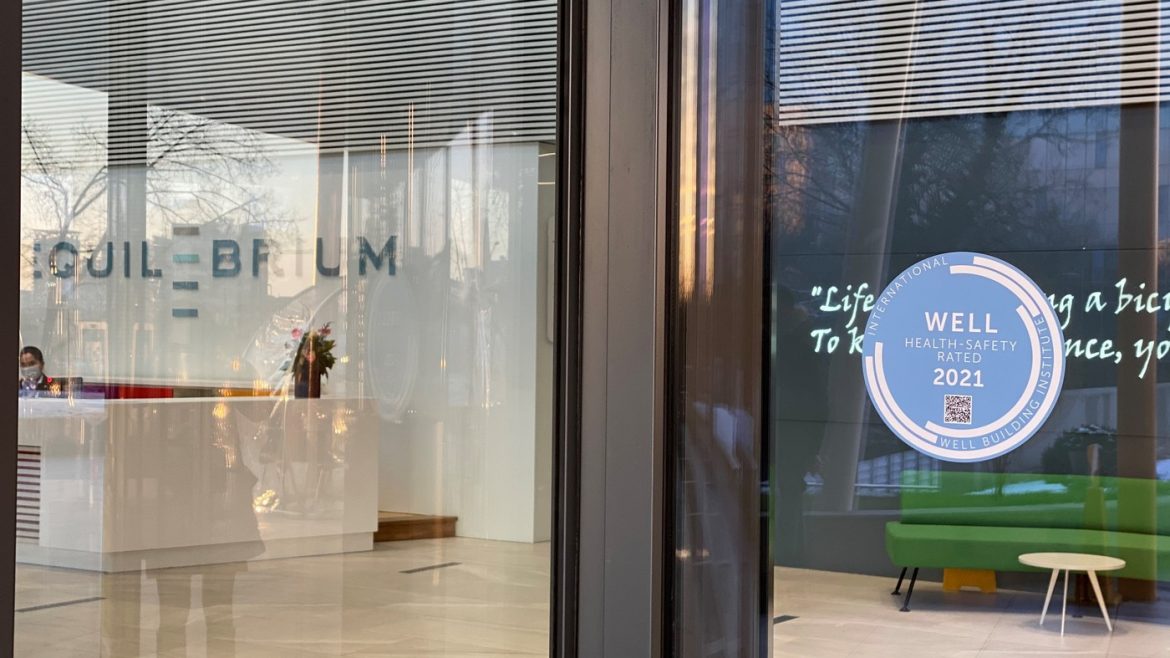
Skanska is a pioneer in terms of providing sustainable workspaces in Central and Eastern Europe. Skanska’s concern for the environment and the efforts invested in developing futureproof buildings are also recognized by WELL and LEED certifications, highlighting once again Skanska’s contribution in promoting a business model that encourages sustainable strategies. The Campus 6.2 and 6.3 buildings are the first buildings in Romania to obtain the WELL pre-certification, at Silver level. The Equilibrium building is LEED Core & Shell certified at Platinum level and currently operates 100% based on energy from renewable sources.

BREC GREEN: LOGISTICS EQUALS OFFICE IN VOLUME OF NEW BREEAM CERTIFICATIONS

BREC GREEN: LOGISTICS EQUALS OFFICE IN VOLUME OF NEW BREEAM CERTIFICATIONS 1067 600 BUCHAREST REAL ESTATE CLUB

40 new BREEAM certifications in the last year in Romania

A total of 40 real estate projects obtained the BREEAM certification in the period between January 2020 – April 2021, according to data provided by BRE Group (the UK organization that provides sustainability BREEAM certifications) to BUCHAREST REAL ESTATE CLUB (BREC). 16 of the newly certified projects are office buildings and business parks and 15 are logistic parks or retailers` logistics centers.   

The residential segments account for fewer BREEAM certifications in the analyzed period (5 residential projects, mostly outside of Bucharest). A single retail project obtained the BREEAM (Excellent) certification – IKEA Pallady Store and a single hotel obtained the BREEAM Excellent standard in this period (Radisson BLU hotel in Timisoara).

“Over the past three years we have seen tremendous growth for BREEAM in Romania; the ambition of real estate clients in Bucharest, in particular, has driven greater uptake and a desire for more credible sustainability performance for assets. This is a trend we expect to continue and congratulate organizations like BREC in their leadership and commitment to BREEAM,” states Dr. Shamir Ghumra, Head of Building Performance Services – BRE Group for BUCHAREST REAL ESTATE CLUB.

BREEAM provides several sustainability standard classes (Pass, Good, Very Good, Excellent, Outstanding) according to criteria such as energy efficiency, space health, reducing the carbon footprint in construction or demolition processes and protection of biodiversity, innovation, reducing the water consumption, sustainable recycling solutions, transport & alternative mobility.

Globalworth CampusThe Light One building (recently sold by River Development to Uniqa), a portfolio of buildings in the logistics developer CTP portfolio in Bucharest, Sibiu and Pitesti or Lidl and Emag logistics facilities are several of the significant investments that obtained the BREEAM certification in this period.

The recently introduced European NZEB (Net Zero Energy Building) standard requires all new constructions or buildings undergoing major rehabilitations to have a nearly zero energy consumption level.

Buildings under NZEB standard will have a high energy performance, with at least 30% of the total energy consumption necessary ensured through the building`s own renewable sources or at a distance of maximum 30 km from the building. 

BREEAM (Building Research Establishment Environmental Assessment Method) is a voluntary green building sustainability rating system established in the UK for assessing the environmental performance of buildings. BREEAM does this through third party certification of the assessment of an asset’s environmental, social and economic sustainability performance, using standards developed by BRE. This means BREEAM rated developments are more sustainable environments that enhance the well-being of the people who live and work in them, help protect natural resources and make for more attractive property investments.

In Romania, buildings are certified either under the BREEAM (UK) standard or the LEED (USA) standard  and more recently introduced WELL standard (focused on occupiers` health and wellbeing). 

”Considering the European NZEB standard, the active competition on the local real estate market and the need for differentiation, as well as the solid sustainability principles of large corporations (the main clients of the real estate industry), we expect developers to converge to a green future in terms of buildings` sustainability,” states Despina Ponomarenco, President of BUCHAREST REAL ESTATE CLUB.

In the pandemic context, the interest in buildings sustainability and health has been significantly growing. If several years ago the office buildings were the main beneficiaries of sustainability certifications, we can now see numerous logistics projects which have been already certified or are undergoing a certification phase, BREC representative ads.

MEMBER NEWS: ADP green building wins “The most sustainable building in CEE” Award

MEMBER NEWS: ADP green building wins “The most sustainable building in CEE” Award 1200 512 BUCHAREST REAL ESTATE CLUB

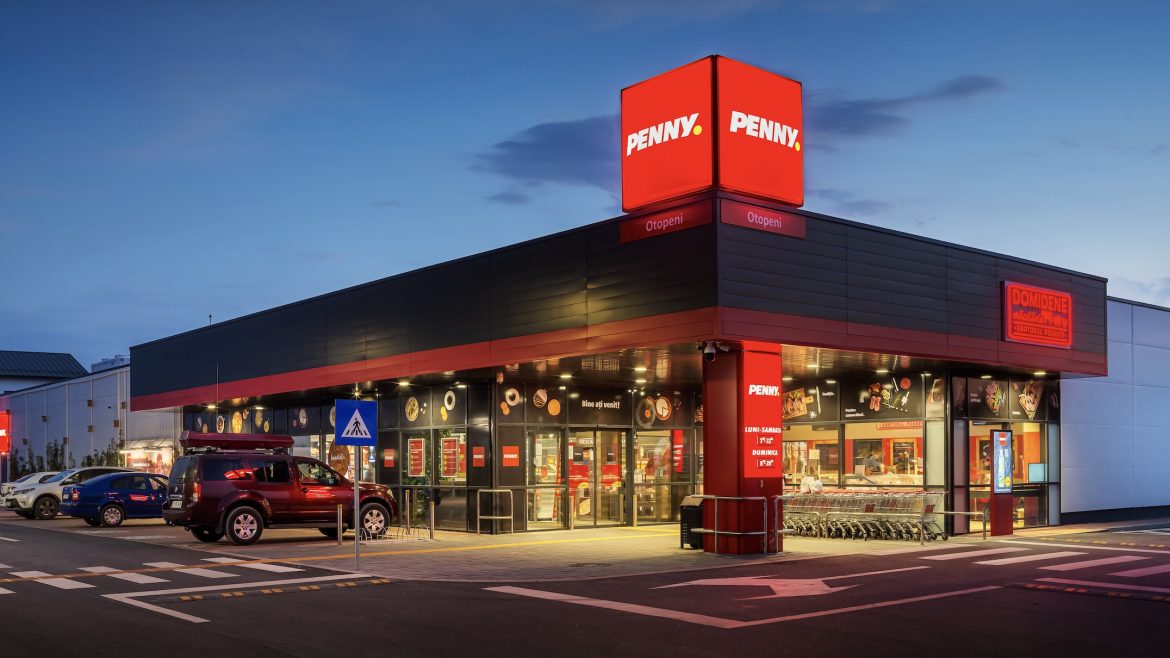
ADP green building won the “Regional Award – Central and Eastern Europe” for the PENNY Otopeni project at the BREEAM Awards 2021 competition, bringing to Romania the award for the most sustainable building in CEE.

“PENNY Otopeni is one of the most sustainable stores in the world, where all the recommendations of the BREEAM have been tested. It is a concept store, but also an experiment. We received full support from the REWE Romania team to implement all BREEAM requirements, to test solutions and technologies and to observe them over time. This way, anything that proves to bring benefits on medium or long term, will be implemented afterwards in all future stores and adapted in the already built ones.”, said Adrian Pop, architect and BREEAM specialist at ADP green building.

PENNY Otopeni, for which ADP green building provided BREEAM consulting and certification services, was designated the most sustainable project in Central and Eastern Europe on Thursday, March 25th, 2021 at the BREEAM Awards, an annual event that marks the most significant achievements in sustainable building design, development and management of the buildings.

Of the 196 BREEAM certified projects in Romania, over time only 7 buildings received the Outstanding level, this being the highest level of certification. PENNY Otopeni was the first in the world to obtain the Outstanding level using the latest version of the BREEAM New Construction standard, with a score of 95.24%. This rating is still the highest ever obtained on this version of the standard. In order to achieve it, ADP green building has ensured that the PENNY Otopeni store meets all the requirements of the BREEAM standard, since the beginning of the design phase.

(31.03.2021)

SMART REAL ESTATE: Recruiting managers? George Butunoiu just launched Managero.ro

SMART REAL ESTATE: Recruiting managers? George Butunoiu just launched Managero.ro 450 411 BUCHAREST REAL ESTATE CLUB

One of the best – known head hunters in Romania recently launched Managero.ro,  the first recruitment site exclusively for management positions.

The tool combines online recruitment (recruitment site) and the classic executive search, which covers activities that can never be automatized (application analysis, evaluation and ranking of profiles, etc.)

Easier and cost-effective recruitment

Managero.ro occupies an uncovered niche between Linkedin, the usual volume – based recruitment websites and the classic activity of executive search companies.

This new hybrid recruitment model for management positions combines the advantages of each method (online, recruitment announcements, direct search), leading to a 70% cost reductions for employers, but with similar results of classic executive search activities, thus allowing access to professional recruitment services for management positions to an incomparably larger number of companies, which until now could not afford their classic, quite expensive, services”, says George Butunoiu, CEO of  Managero.ro.

On Managero.ro recruitment announcements for management positions are posted, with salaries starting from 1,500 € net / month, plus other benefits. The job post announcements are free at this moment.

No resumes can be found on the site – only employers who place ads can see the resumes of candidates applying for their job.   At this moment, Managero.ro provides free promotion of the announcements, assistance in drafting the announcements and even free support in the analysis and evaluation of applications, upon request.  

Managero.ro Standards

Managero.ro’s main objective is to introduce and impose on the Romanian market 3 standards related to recruitment for management positions: 

  • Managero CV format for management positions, very detailed and precise, structured exactly according to the requirements of employers in large companies and top search executive companies;
  • Managerial Classification System (SCM) of managerial profiles – a system of (self) evaluation and classification that can be widely used by any company and organization for the evaluation and classification of employees, far beyond the recruitment process;
  • The hybrid model of recruitment – advertising, very detailed and precise, which attracts incomparably more applicants, on the one hand, but it is also good to promote the image of the employer on the market in general. 

(30.03.2021)