


BREC Talks

BREC Talks

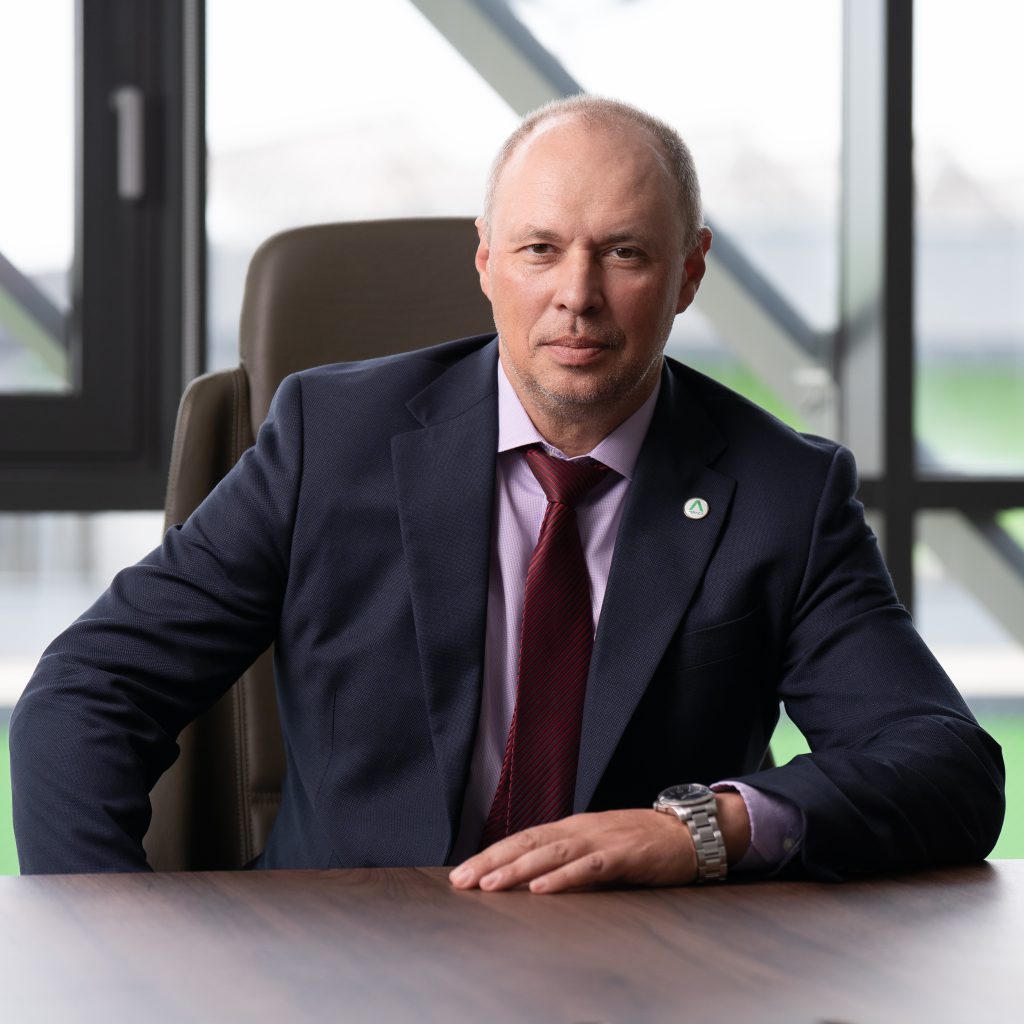
2026 Trends with Valer Hancaș, Kaufland România

2026 Trends with Valer Hancaș, Kaufland România 400 600 BUCHAREST REAL ESTATE CLUB

09.02.2026

Valer Hancaș, Communication & Corporate Affairs Director, Kaufland România

What were the main business results for 2025?

According to our socio-economic impact study for the 2024 financial year, conducted with KPMG, Kaufland Romania achieved a turnover of €3.97 billion for the period March 2024 to February 2025. This performance reflects our continued focus on freshness, assortment diversity, and maintaining affordable prices for our customers. Since our financial year ends in February, we report results based on this calendar.

What are your company’s business targets and plans for 2026?

For Kaufland, 2026 will be a year of continuity and consolidation, aligned with market dynamics and expectations. We will continue to grow, innovate, and invest in key areas, such as expansion, digitalization, and sustainability. Our investments will focus on new store openings, technologies that simplify the shopping experience, from K-Scan to express checkouts and the Kaufland Card app, and smart energy solutions that reduce our environmental footprint, while maintaining our commitment to affordable prices for our customers.

Collaboration with local suppliers remains central to our business model. Over 85% of the food products we sell are sourced from Romanian producers. In 2024 alone, we worked with more than 2,500 local suppliers, directing nearly €3 billion into the national economy. These partnerships contribute to freshness, quality, and the stability of our supply chain.

Through these investments and partnerships, we aim not only to drive company growth but also to contribute to Romania’s economic development. For us, the future is about consistency, responsibility, and sustainable performance.

What do you see as the main risks for the Romanian real estate market in 2026? Where do you see the most attractive opportunities for growth?

In 2026, we expect regulatory and fiscal changes to remain an important source of uncertainty, as frequent adjustments can affect predictability, as well as long-term planning and investment decisions. However, we view these challenges as guidelines towards becoming more efficient, more attentive to customer needs, and more responsible in our business decisions. They clearly indicate the direction in which retail is evolving and confirm that constant adaptation is essential.

Retail is not only about commercial transactions, but about shaping the future, a future built on innovation, sustainability, and a strong commitment to consumer needs. At Kaufland, we aim not only to respond to change, but to anticipate it, redefining retail through a digital, responsible, and people-centered approach.

One of the main risks for the Romanian real estate market in 2026 is the continued increase in construction costs, driven by materials, labor, and financing conditions. These pressures can impact project timelines, investment decisions, and overall development dynamics across the market.

At the same time, we see attractive opportunities in strengthening partnerships and expanding mixed-use commercial concepts. A strategic pillar of our development is the consolidation of partnerships within our galleries, which represents a key differentiator in the market. We aim to build long-term partnerships with brands that are relevant to our customers’ needs, contributing to the expansion of the one-stop-shop concept.

A recent example is our partnership with IKEA, which opened its first planning and ordering studio in Cluj within a Kaufland commercial gallery. This type of collaboration allows us to extend the range of services available to customers through external partners and to deliver a more comprehensive and relevant experience, beyond traditional grocery shopping.

Which players or strategies are going to be winners in 2026?

In 2026, the winners will be the players that combine long-term strategic vision with agility and the ability to adapt quickly to a highly dynamic retail environment. Price competitiveness will remain important, but differentiation will increasingly come from formats, fresh product offerings, and the overall customer experience. In a market where new concepts such as hypercash formats are gaining momentum, the ability to operate consistently across multiple formats and respond rapidly to changing consumer expectations will be a key competitive advantage.

At Kaufland, our leadership is built on responsibility. Sustainability is not just part of our strategy, it is the strategy. We position ourselves as a trusted partner for Romania’s economy, supporting local producers, creating jobs, investing in green infrastructure, and engaging in social causes that matter.

Our strategies are designed with a long-term perspective measured in decades, not financial years. While our strategic direction remains consistent, we continuously adjust the pace and execution depending on the context. Strong, visionary leadership and constant adaptation enable us to remain a solid and bold business and a reliable partner for customers, suppliers, and communities.
2026 Trends with Dan Sebastian Câmpeanu, Impact Developer & Contractor

2026 Trends with Dan Sebastian Câmpeanu, Impact Developer & Contractor 1200 600 BUCHAREST REAL ESTATE CLUB

07.02.2026

Dan Sebastian Câmpeanu, CEO Impact Developer & Contractor

What were the main business results for 2025?

Despite numerous challenges, 2025 was a strong year for us business-wise. At group level, in the first 9 months of the year we doubled our revenues, reaching a consolidated turnover of EUR 55.8 million and a consolidated net profit of EUR 11.4 million. Sales in this period registered an advance of 152% compared to the first 9 months of last year: 227 units, worth EUR 31.5 million.

Beyond these financial results, we delivered major projects to customers, overcame all obstacles and challenges, significantly reduced loans and financial debts, significantly increased liquidity, put new projects in the pipeline and obtained new building permits.

The results obtained in 2025 confirm the solidity of our business model and the efficiency of the measures implemented to increase operational and financial performance.

In 2026, IMPACT also marks two important capital market milestones: 30 years of uninterrupted listing on the Bucharest Stock Exchange and 20 years since the Company’s promotion to the Main Market (First Tier). These anniversaries further underline the Group’s long-term commitment to transparency, sound corporate governance and sustainable growth as a publicly listed company.

What are your company’s business targets and plans for 2026?

In line with our 2026 – 2034 long-term strategy, launched last year, our focus is on improving asset utilization, accelerating development on land already in our portfolio, and reinvesting capital into high-yield projects.

In 2026 we’ll launch two major, much-anticipated mixed-use projects in Bucharest and Iasi.

At the same time, we will continue the development of our flagship projects: GREENFIELD Baneasa in northern Bucharest, which will reach over 6,485 homes upon completion, and Boreal Plus in Constanța, a residential complex totaling more than 771 homes.

What economic pressures (e.g., inflation, interest rates, work force issues) or regulatory and fiscal changes do you anticipate impacting the market in 2026, and how is your company preparing for them?

In 2026, we expect the market to continue operating in a context defined by macroeconomic volatility, regulatory tightening, and structural cost pressures, rather than by a single dominant risk.

Inflation and financing costs are likely to remain relevant, even if interest rates stabilize. The key challenge will be affordability and predictability, not access to financing. Our response builds on financial discipline, reduced leverage, strong liquidity, and flexible commercial mechanisms designed to limit the financial effort required from clients.

A persistent structural pressure remains the shortage of qualified workforce in construction, impacting costs and execution timelines. We address this through vertical integration, bringing design and general contracting in-house to improve cost control, delivery predictability, and operational flexibility.

On the regulatory side, recent legislative changes, including the “Nordis law”, will increase compliance requirements but should prove structurally positive, reinforcing transparency and favoring well-capitalized, disciplined developers. Our conservative financial approach and strict risk management allow us to adapt without disrupting our development pipeline.

Fiscal uncertainty remains a medium-term risk, which we manage through scenario-based planning, liquidity buffers, and early financing. Overall, we believe 2026 will continue to reward resilience, financial discipline, and operational control, supported by a long-term strategy focused on delivering relevant, affordable, and high-quality projects.

What do you see as the main risks for the Romanian real estate market in 2026? Where do you see the most attractive opportunities for growth?

In 2026, the main risks for the Romanian real estate market remain linked to macroeconomic and fiscal volatility, which continues to affect long-term planning in a sector with multi-year investment cycles. Affordability pressures, driven by construction, financing, and regulatory costs, may slow decision-making, while structural constraints, such as labor shortages, continue to impact execution and margins.

At the same time, 2026 offers attractive opportunities for both end-users and investors, particularly in well-located, well-priced residential projects developed by financially solid players. Projects that are completed or close to delivery are expected to perform better, benefiting from higher buyer confidence, easier access to bank financing, and clearer yield visibility for investors. Increased regulation and market discipline are also likely to favor transparent, well-governed developers, while mixed-use and sustainable developments remain attractive for long-term capital preservation and stable returns.

Which players or strategies are going to be winners in 2026?

In 2026, the winners in the real estate market will be developers with strong operational capacity, financial discipline, and the ability to adapt quickly to changing economic and regulatory conditions.

Players with integrated capabilities – covering design, authorization, execution, financing, and sales — will have a clear advantage, as they can better control costs, timelines, and quality, while remaining flexible in pricing and commercial structures. Liquidity, low leverage, and disciplined risk management will be key differentiators in a market where predictability remains limited.

Strategically, projects that are well-positioned, relevant for both end-users and investors, and supported by transparent communication and strong governance are likely to outperform. In a more regulated and selective market, credibility, execution track record, and long-term thinking will matter more than aggressive expansion or speculative approaches.

2026 Trends with Eduard Barbu, BL Associates

2026 Trends with Eduard Barbu, BL Associates 600 600 BUCHAREST REAL ESTATE CLUB

07.02.2026

Eduard Barbu, Director BL Associates

What were the main business results for 2025?

2025 was primarily a year of consolidation rather than acceleration. We closed the year with a turnover of approximately EUR 15.4 million, compared to EUR 15.1 million in 2024. The growth was moderate, but in the current market context we consider it a stable and healthy outcome. More important than the absolute figures was our ability to remain active across multiple market segments, without becoming dependent on a single type of client or project.

What are your company’s business targets and plans for 2026?

Our objective for 2026 is controlled growth with a strong focus on resilience. We are investing further in strengthening our execution teams as well as our in-house production capabilities, while continuing to diversify our activity. The goal is not maximum expansion, but adaptability — building a structure that can perform under different market conditions and remain operationally flexible. We are deliberately positioning the company to be anti-fragile rather than optimized for one specific scenario.

What economic pressures (e.g., inflation, interest rates, work force issues) or regulatory and fiscal changes do you anticipate impacting the market in 2026, and how is your company preparing for them?

We expect economic pressure to remain constant throughout 2026. High financing costs, cautious capital allocation, workforce constraints, and ongoing fiscal uncertainty will continue to affect the market. We do not anticipate rapid relief from interest rates or regulatory simplification. Our response is pragmatic: tighter cost control, conservative planning, shorter decision chains, and a stronger focus on execution efficiency rather than scale for its own sake.

What do you see as the main risks for the Romanian real estate market in 2026? Where do you see the most attractive opportunities for growth?

The main risk is prolonged hesitation — delayed decisions, postponed investments, and projects remaining stuck in planning phases rather than moving into execution. In Bucharest specifically, following the recent local elections, and based on the signals and early positioning of the newly elected mayor, we anticipate a continuation of the previous administration’s approach. This likely means a city that remains largely blocked from a development and permitting perspective, with limited predictability for private investment.
At the same time, this environment creates opportunities for well-capitalized, operationally strong players who can actually deliver. Demand still exists, but it is increasingly selective and performance-driven.

Which players or strategies are going to be winners in 2026?

The winners in 2026 will not necessarily be the most aggressive or the most optimistic players, but the most disciplined ones. Companies that understand their costs, protect their margins, invest in people and production capacity, and stay close to on-the-ground realities will have a clear advantage. Execution capability and flexibility will matter more than scale alone.

2026 Trends with Alina Necula, Lion’s Head

2026 Trends with Alina Necula, Lion’s Head 1200 1148 BUCHAREST REAL ESTATE CLUB

05.02.2026

Alina Necula, Country Manager Lion’s Head

What were the main business results for 2025?

2025 marked our entry into the logistics sector in Romania, with the inauguration of our first logistics project. It was a step we approached carefully, by building the right team, understanding the market in depth, and working alongside strong international partners. For us, this was about proving that we can execute logistics developments of a high standard in a very competitive environment.

At the same time, our office portfolio remained strong. Keeping Oregon Park fully occupied in a volatile market shaped by hybrid work and changing corporate strategies was a real achievement. We managed this by staying close to tenants, understanding how their businesses evolved, and responding quickly when their needs changed.

What are your company’s business targets and plans for 2026?

2026 is about execution. Delivering the first phase of our logistics project will be a key milestone and an important validation of our strategy. It’s where planning turns into an operating asset, supported by a strong team, trusted partners, and a clear view of market demand.

At the same time, we are preparing the next stages of development, aligned with tenant interest and the progress of local infrastructure. We see logistics as a long-term platform, built step by step, not as a one-off investment.

On the office side, work models will continue to evolve, but well-managed buildings adapt. Our focus remains on maintaining quality, relevance, and strong relationships with tenants.

What economic pressures (e.g., inflation, interest rates, work force issues) or regulatory and fiscal changes do you anticipate impacting the market in 2026, and how is your company preparing for them?

Markets don’t move in straight lines, and 2026 will be no exception. We are already operating in an environment shaped by volatility, from financing costs and inflation to ongoing discussions around taxation. None of these are new for real estate. What changes from one cycle to another is how prepared you are to absorb them.

Our focus is on fundamentals that hold up over time: good locations, projects that make operational sense, and a level of flexibility that allows assets to adapt when conditions shift. We work with long-term financing partners and avoid building for a single scenario. At the same time, staying close to tenants matters more than ever. When you understand how their businesses operate, you can anticipate pressure points early and adjust before they turn into real problems.

What do you see as the main risks and the most attractive opportunities for the Romanian real estate market in 2026?

Romania remains an attractive destination for long-term investment. Demand is there. What matters is predictability, regulation, fiscal policy, and consistent decision-making. When predictability slips, projects don’t disappear, they get delayed. And that slows the market for no real reason.

On the opportunity side, infrastructure remains a powerful catalyst. The delivery of new highway segments that connect regions more efficiently will unlock significant potential, especially for logistics. As connectivity improves, entirely new locations become viable for modern industrial developments, reshaping supply chains and supporting regional growth. In this context, logistics stands out as one of the most dynamic segments, while well-located, high-quality office assets continue to attract companies that are rethinking how and where they operate.

Which players or strategies are going to be winners in 2026?

I think that the winners will be those who stay disciplined and adaptable. Companies that truly understand their tenants, invest in quality, and think long-term will consistently outperform those focused on short-term gains. In the next cycle, flexibility, sustainability, and solid execution will matter more than scale alone.

Equally important is who you build alongside. Having the right teams and partners around you, from long-term financing partners, such as international institutions, to experienced advisors and technical experts, makes a real difference when markets are volatile. Strong partnerships bring not only capital, but also discipline, perspective, and better decision-making.

In an environment shaped by constant change, the ability to listen carefully, move at the right pace, and deliver consistently is what sets successful players apart. That is the approach we follow, and it’s the one we believe will continue to create value in 2026 and beyond.

2026 Trends with Alexandru Samoilă, Vitalis Consulting

2026 Trends with Alexandru Samoilă, Vitalis Consulting 1200 600 BUCHAREST REAL ESTATE CLUB

04.02.2026

Alexandru Samoilă, Managing Director Vitalis Consulting

What were the main business results for 2025?

2025 was a very active and balanced year for Vitalis Consulting.

We successfully delivered complex projects across hospitality, retail, industrial and mixed-use developments, while also expanding into the renewable energy sector, particularly photovoltaic parks. Like any dynamic year, we faced challenges generated by market pressure, cost volatility and tight timelines, but strong project governance and disciplined execution allowed us to deliver on time and at the expected quality level. Overall, 2025 confirmed the resilience of the Romanian real estate and construction market and our ability to adapt and perform consistently.

What are your company’s business targets and plans for 2026?

In 2026, our goal is to continue delivering excellence while navigating a changing market.

We are finalizing projects that have been in development for several years and we are already engaging with new potential clients to lay the groundwork for future initiatives. Our focus remains on resilience and adaptability, ensuring that economic pressures, legislative changes, and market uncertainties do not compromise quality or timelines. We work closely with our teams on-site to review lessons learned and improve processes, always combining a positive, proactive approach with careful risk management.

What economic pressures (e.g., inflation, interest rates, work force issues) or regulatory and fiscal changes do you anticipate impacting the market in 2026, and how is your company preparing for them?

In 2026, the Romanian real estate market will continue to face economic and regulatory challenges. Rising construction costs, inflation, higher financing rates, and workforce availability will put pressure on project timelines and budgets, while changes in fiscal and legislative frameworks add another layer of complexity. At Vitalis Consulting, we focus on careful planning, proactive risk management, and close collaboration with our teams and partners. By anticipating potential obstacles and adapting our processes in advance, we ensure that projects are delivered on time and at the expected quality, turning challenges into opportunities for improvement.

What do you see as the main risks for the Romanian real estate market in 2026?

In 2026, the Romanian real estate market is expected to face a mix of economic, regulatory, and operational risks. Rising construction costs, inflation, and higher interest rates could affect project budgets and financing conditions, potentially slowing development timelines. On the regulatory side, changes in fiscal rules, taxation, and legislation may create uncertainty for developers, investors, and operators, making long-term planning more challenging. Operationally, workforce availability and skilled labor shortages remain significant concern. Combined, these factors could increase project risk, require careful planning, and influence investment decisions across the market.

Where do you see the most attractive opportunities for growth in 2026?

In 2026, the most attractive opportunities for growth in the Romanian real estate market lie in renewable energy and sustainable development. There is a clear shift towards integrating sustainability into every type of project, from residential and commercial buildings to industrial and mixed-use developments. Investors and developers are increasingly focusing on energy efficiency, green building certifications, and low-carbon solutions, as these not only reduce operational costs but also increase long-term value and market appeal. Sustainability is no longer optional—it is becoming a key driver of competitiveness and future growth in the market.

Which players or strategies are going to be winners in 2026?

In 2026, the players who will succeed are those who can anticipate change and adapt quickly. Companies that remain flexible, responsive to market trends, and attentive to evolving client and regulatory demands will have an advantage. Strategic thinking, careful planning, and the ability to manage uncertainty effectively will separate the stronger performers from the rest. In short, the winners will be those who combine resilience with a forward-looking mindset.

2026 Trends with Ioana Roman, Filip & Company

2026 Trends with Ioana Roman, Filip & Company 1200 600 BUCHAREST REAL ESTATE CLUB

04.02.2026


Ioana Roman, Filip & Company

What were the main business results for 2025?

2025 was a challenging yet ultimately strong year for our real estate practice. After a subdued first half, marked by electoral uncertainty and postponed investment decisions, market activity gained celar momentul in the second half of the year. During this period, we advised on a series of high-value transactions spanning logistics, retail and mixed-use developments, as well as on complex real estate aspects of M&A transactions and renewable energy projects.

Beyond transaction volume, the defining feature of the year was increasing complexity. Projects were characterised by compressed timelines, layered regulatory requirements and heightened structuring demands. Clients increasingly sought legal input at an early stage, reinforcing our role as strategic advisers and long-term partners, rather than purely transactional counsel.

What are the company’s business targets and plans for 2026?

In 2026, our focus is on consolidation and selective growth. We aim to further strengthen our real estate practice in large-scale developments, portfolio transactions and cross-border mandates, while deepening sector expertise in logistics, retial, energy-related real estate and mixed-use projects.

A key priority remains the close integration of our real estate team with our finance, M&A, energy and regulatory practices, allowing us to continue delivering fully integrated advice on increasingly complex and multi-disciplinary transactions.

What economic pressures or regulatory and fiscal changes do you anticipate impacting the market in 2026, and how is your company preparing for them?

Financing costs and ongoing fiscal adjustments are expected to continue influencing both deal structuring and investor appetite throughout 2026. From a regulatory perspective, foreign direct investment (FDI) clearance, as well as permitting processes and timelines, are already influencing how transactions and developments are structured and implemented.

We are responding by engaging closely with clients from the earliest stages of their projects, stress-testing transaction structures and timelines, and identifying potential regulatory hurdles well in advance. In a market where execution risk can be as critical as pricing, this proactive approach is becoming essential.

What do you see as the main risks for the Romanian real estate market in 2026? Where are the most attractive opportunities?

The primary risks remain linked to unpredictability – legislative, administrative and macroeconomic — as well as to delays in permitting and approvals, which can materially affect project viability. Financing constraints may also continue to limit certain categories of developments.

At the same time, clear opportunities are emerging, particularly in logistics and retail assets and well-located mixed-use projects aligned with evolving urban patterns and workforce needs. Investors with a long-term perspective and a solid understanding of local market dynamics are likely to find Romania attractive, despite short-term volatility.

Which players or strategies are going to be winners in 2026?

The winners in 2026 will be disciplined, well-capitalised players who prioritise legal, regulatory and technical due diligence early on. Flexibility in deal structuring, realistic timelines and strong local partnerships will be key differentiators.
From a strategic standpoint, investors and developers who integrate sustainability, infrastructure readiness and regulatory compliance into their core planning — rather than treating them as add-ons – will be best positioned to succeed.

Meet our members: BREC talks to Ibrahim Bahbahani, BHB Properties

Meet our members: BREC talks to Ibrahim Bahbahani, BHB Properties 798 600 BUCHAREST REAL ESTATE CLUB

 03.09.2025

Ibrahim Bahbahani, Founder BHB Properties

What is the status of the projects developed by BHB Properties, what phases are you in? What was the investment in your projects and what are your future investment plans?

BHB Properties has officially completed BHB Avenue, a landmark of contemporary elegance and architectural distinction in the North of Bucharest. Delivered ahead of schedule, this €35 million development redefines upscale urban living, offering future residents a fully finalized, refined residential experience. Unit handovers begin this summer, ushering in a new standard of excellence.

Next, we turn our vision to BHB Eden. A €110 million large-scale premium project set nearby, featuring over 450 residences. Currently in pre-development, BHB Eden is designed as an immersive lifestyle destination, with phased deliveries set to begin in Q2 2027. More than a residence, it will define what high-end design, ultimate lifestyle, and lasting value really means.

What is your strategy for managing cost inflation and ensuring on-time delivery?

We follow a hotel-style efficiency model – elegant, streamlined, and optimized from concept to completion. Through early procurement, long-term partnerships, and a hands-on supervision model, we’ve managed to deliver BHB Avenue ahead of schedule while preserving impeccable quality.

Moreover, our in-house research team continuously develops new strategies to optimize long-term operational costs for our future residents, reinforcing our long-term commitment to sustainability and client satisfaction.

Could you tell us more about the smart-home technologies and EV infrastructure from BHB Properties projects?

BHB Avenue has been meticulously outfitted with next-generation smart-home technology, tailored for effortless modern living. Each residence features app-controlled climate systems, intuitive video intercoms, and discreet, energy-efficient lighting. Every underground parking space is fully EV-ready, with all units pre-equipped for seamless charger installation – no structural adjustments required.

BHB Eden will elevate this vision even further, introducing a curated suite of IoT-enabled experiences, personalized sustainability dashboards, and thoughtfully integrated tech amenities designed to enhance daily life across the entire community.

What sustainability standards are you applying in BHB Eden and future regional projects?

Sustainability is not a feature – it’s a foundation of our philosophy. At BHB Eden and in all upcoming regional developments, we align with the most rigorous European standards, including full compliance with EU Taxonomy guidelines and BREEAM certification objectives. Our approach blends environmental responsibility with architectural excellence: recycled and locally-sourced materials, enhanced thermal insulation, and water-efficient fixtures are seamlessly integrated into the design.

Meet our members: BREC talks to Roxana Răducanu, Head of Division for Romania and Bulgaria at Samsung Electronics Air Conditioner Europe (SEACE)

Meet our members: BREC talks to Roxana Răducanu, Head of Division for Romania and Bulgaria at Samsung Electronics Air Conditioner Europe (SEACE) 1200 600 BUCHAREST REAL ESTATE CLUB

 09.07.2025

Roxana Răducanu, Head of Division for Romania and Bulgaria at Samsung Electronics Air Conditioner Europe (SEACE)

What are the main challenges & opportunities for the HVAC market in 2025, considering the increasing focus on energy efficiency and sustainability?

One of the biggest challenges we face is the F-Gas Regulation, which mandates the phase-down of high Global Warming Potential (GWP) refrigerants. While this comes with some technical difficulties, it also pushes us to develop new, eco-friendly technologies and invest in more and more sustainable solutions. Additionally, rising global temperatures have increased demand for air conditioning solutions, while the push for greener alternatives is driving a growing interest in heat pumps—a niche segment in Romania, where we are expanding steadily.  

At a global level, in 2025 Samsung will strengthen its strategy for using AI technology to make the connected device experience safer, more inclusive, and more energy – efficient.

What external factors (e.g., regulations, economic trends) are having the most significant impact on the industry nowadays?

The F-Gas Regulation and the EU Green Deal 2030 are shaping our product development strategy. These policies serve as guiding principles, encouraging innovation in energy-efficient solutions. On the economic side, the construction sector has a direct impact on HVAC demand. Legislative and fiscal changes within the construction industry directly impact HVAC investments, making regulatory stability and incentive programs critical for market growth.

What are the company’s business targets and plans for 2025?

Over the past five years, we’ve maintained a double-digit growth, and in 2024, our turnover increased by 30% compared to the previous year. We grew in the residential market, in particular, achieving a remarkable 50% growth—a testament to our ability to meet evolving consumer needs with cutting-edge heating and cooling solutions.

Education and innovation are at the core of our 2025 strategy. We are launching in Romania our Samsung Climate Solutions Academy, following the growing demand for our specialized training programs. This training center is designed to educate partners and consultants on new technologies, ensuring optimal system efficiency and user benefits.

In the same time, we’ll continue to focus on leveraging artificial intelligence that helps end – users optimize energy consumption. Our SmartThings Energy app and AI-driven HVAC solutions, such as DVM S2 – that stands out with its seamless integration of artificial intelligence (AI), are at the top of our priorities.

What new products or technologies does Samsung Climate Solutions plan to introduce in the near future to address emerging trends?

 We have several exciting product launches planned! Continuous expansion of our heat pump range, designed for easy installation, fast maintenance, and AI-driven energy optimization.

The launch of SmartThings Pro for business-critical building control. The platform extends the familiar SmartThings experience into the commercial space, allowing facility and site managers to monitor and control climate systems and other connected devices remotely, across multiple buildings. By combining intelligent automation with real-time insights, the platform enables businesses to improve operational control, potentially reduce waste and support long-term business goals.

The 2025 line-up of Samsung residential air conditioners has recently been revealed. The line-up incorporates advanced technologies to cater to the diverse needs of modern living and improves indoor air quality.

How does Samsung Climate Solutions plan to align with Romania’s and the EU’s green energy targets for this year?

At Samsung Climate Solutions, we are strongly aligned with both Romania’s and the EU’s green energy goals for 2025. Our commitment is reflected in the way we engineer our HVAC systems — prioritizing high energy efficiency and enhancing performance through AI-powered optimization.

First, we recognize that buildings account for nearly 40% of Europe’s energy consumption and over a third of CO₂ emissions, which makes smart building control a powerful lever in the journey to NetZero by 2030 (source: https://www.europarl.europa.eu/ and www.energy.ec.europa.eu). To tackle this, we’ll launch SmartThings Pro, our advanced building management platform that will enable facility managers to monitor, control, and automate HVAC systems efficiently across multiple sites — supporting smarter energy use and emissions reduction in line with NetZero goals.

Second, we’re actively supporting the F-gas Quota transition by integrating low-GWP refrigerants such as R32 and R290 into our product portfolio. By introducing these new products, Samsung is positioned to comply with future European regulations and support the goals of the European ‘Fit for 55’ package and the targets set under the Montreal Protocol.

Lastly, we’re leading innovation with solutions like the DVM S Mini R32 and EHS Mono R290 units. These products not only deliver high performance but also incorporate refrigerants with lower Global Warming Potential, without requiring costly upgrades to building insulation — making heating and cooling more accessible and future-ready.

2025 Trends with Attila Beer, Alukönigstahl Romania & Moldova

2025 Trends with Attila Beer, Alukönigstahl Romania & Moldova 571 600 BUCHAREST REAL ESTATE CLUB

09.04.2025

Attila Beer, CEO Alukonigstahl România & Moldova

What are the company’s business targets and plans for 2025?

Alukönigstahl Romania concluded 2024 with significant growth, achieving a turnover of 22.8 million euros. For 2025, we expect to continue this upward trend by placing a stronger focus on delivering sustainable solutions, while maintaining the standards of technological excellence that define us.

Moreover, this is a special year for us, as we celebrate 30 years of activity on the Romanian market. We are planning to establish new partnerships, both in the aluminum and PVC segments, where we see significant growth potential. At Alukönigstahl, maintaining close and long-term relationships with our clients has always been a priority—an approach that has contributed, among other factors, to our long-standing stability in the industry.

What innovative materials or technologies are you introducing in 2025 to address the demand for energy-efficient and low-carbon construction solutions?

According to estimates by the European Commission, between 85% and 95% of the buildings standing today will still be in use in 2050. As such, the responsible management of existing buildings, along with preserving and increasing their value, represents a key challenge for the construction industry.

Some of the latest innovations in our portfolio were showcased at the Bau 2025 exhibition and highlight our ongoing commitment to sustainability and innovative design. Schüco has developed a range of solutions specifically tailored to this goal, enabling customized renovation processes focused on increasing property value. Through the Schüco Value Up program, the company offers innovative products and services for building envelopes—from analysis and planning to execution and operation.

Among the modernization solutions presented is the replacement of window sashes from the Schüco Royal S series (installed until 2005–2006) with sashes from the current Schüco AWS series, equipped with new central and glazing gaskets and the latest generation fittings. There are also solutions for renovating mullion-transom curtain walls. The Schüco AOC 50 / 60 Reno system enables façade renovation while the building remains in use, without lengthy interruptions or the need for interior refurbishment. One of the most attractive innovations is the all-in-one modular system Schüco Perfect, which can be used both for renovations and new constructions. Schüco Perfect consists of a window or sliding door combined with a “Perfect module” made of aluminum, mounted in front of it. Available in 130 mm and 190 mm depths, it includes lateral guide rails and allows easy installation of additional components based on individual requirements. Among other features, three sun-shading options are available: external Venetian blinds, roller shutters, or textile sun protection (Zip Design Screen). In addition, insect screens can be installed as vertical blinds or pleated horizontal blinds. The module can also be fitted with a design window sill, integrated glass railings for fall protection, or even a zero-threshold solution.

What regions or construction segments (residential, commercial, infrastructure) do you see as growth drivers in Romania for 2025?  

In 2025, the construction sector is expected to experience moderate growth, supported by a slight increase in building permits. In the residential segment, demand for sustainable and energy-efficient housing remains high, especially in major cities.

Public infrastructure investments—such as hospitals and schools—will also continue, supported by EU funds and the National Recovery and Resilience Plan (PNRR), which aim to promote modernization, renovation, and energy efficiency in public buildings.

What economic pressures (e.g., inflation, material costs) or regulatory changes do you anticipate impacting the construction market in 2025, and how is your company preparing for them?

The industry continues to face challenges such as geopolitical instability, inflation, and rising construction material costs.

In this context, we believe that companies with a solid financial track record may have a competitive advantage. Clients increasingly gravitate toward trusted brands that offer high-performance and sustainable products—an opportunity that aligns with our positioning.

New European regulations are also driving higher standards for passive buildings and carbon footprint reduction, a trend expected to continue into 2025. These regulations encourage the adoption of more energy-efficient and sustainable solutions. Alukönigstahl is responding to this demand with systems that meet European standards.

Meet our members: BREC talks to George Gardin, Yellow Tree România

Meet our members: BREC talks to George Gardin, Yellow Tree România 1528 1281 BUCHAREST REAL ESTATE CLUB

 3.04.2025

George Gardin, Country Manager Yellow Tree România

What are the company’s business targets and plans for 2025 in Romania?

In 2025, our primary goal is to expand Yellow Tree Real Estate’s portfolio in Romania while diversifying the asset classes under our management. We remain committed to maintaining our strong occupancy rate of over 90%, a standard we’ve consistently upheld both pre and post-pandemic. Additionally, we are starting this year our first construction project in Bucharest – Aria Shopping Center, a pilot project that we are very excited about. In parallel we will continue with several asset management projects that will add value to our properties through upgrades and improvements that will increase the overall efficiency and sustainability of our buildings.

What key factors make Romania an attractive market for Yellow Tree Real Estate’s buy-and-hold strategy, and how do you evaluate investment opportunities in capital cities like Bucharest?

Romania continues to stand out as an attractive market for our buy-and-hold strategy. Despite the fact that we initially had a freeze of investments for two years due to the high levels of inflation, the war at the border, the fact that the country has experienced sustained GDP growth, and still has its position as one of the most cost-effective and efficient labor markets in the EU adds to its long-term appeal, made us unlock partially certain investment budgets for Romania.We only invest in capital cities or large gateway cities, therefore all our investments in Romania concentrate in Bucharest. The same factors that initially made Bucharest attractive still stand from our point of view, more precisely – low unemployment levels, steady annual inflow of population moving to the capital, the presence of all major multinational companies that have continued investing in the city throughout the years, the level of skilled personnel and the fact that tourism in Bucharest is more and more popular.

What are the biggest challenges in Romania’s real estate sector for long-term investors, and how does Yellow Tree Real Estate navigate regulatory, financial, and operational hurdles?

The Romanian real estate market, while promising, comes with its share of challenges—particularly rising operational costs that directly impact both landlords and tenants. Increases in property taxes, minimum wage, and service expenses related to property maintenance can place pressure on profitability and affordability. The cost of energy which is amongst the highest in the EU has not helped with the financial burden either. All of these together has galvanized us to constantly look at optimization, at digitalization and at new providers that can deliver the level of quality that we expect at more accessible costs.More so, as a long-term investor, we seek stability in all the markets where we invest. The lack of fiscal predictability has been an increasingly concerning factor for us, having new fiscal changes done within days and communicated overnight is extremely disruptive. The constant change in fiscal systems and costs associated with these systems in order to comply with new fiscal legislation is also a challenge, both from an adoption perspective, but also from the perspective of training our staff fast enough to meet what sometimes seem unrealistic deadlines, especially for a group of our size with hundreds of tenants and providers and quite a significant number of companies within our group.

Nonetheless we have successfully adapted all our workflows and implemented all of these changes as they came, however by paying the price of putting immense pressure on both our inhouse and outsourced teams and also by hiring new staff.  In addition, FDI, while essential for growth, has recently become more complex due to the new regulations implemented. These changes introduced additional steps we are now obliged to follow, which complicate the procurement process, extend acquisition timelines, and result in extra costs. This adds yet another layer of compliance that long-term investors like us must navigate carefully. Last, from a regulatory standpoint, one of the most persistent issues we face involves delays and inconsistencies in the permitting process, especially when trying to update or obtain new approvals for works. At Yellow Tree, we proactively manage these challenges by fostering open communication with stakeholders and local authorities to ensure compliance and minimize delays. We involve the authorities very early on – from presenting the concept, then submitting all the relevant documentation to the completion stage, and throughout the lifetime of the project we continue collaborating and updating the authorities with our progress, aiming to constantly ensure that we are as much as possible in sync and don’t risk having surprises later on.

How does Yellow Tree Real Estate balance risk and reward when selecting properties for long-term investment in Romania, considering economic trends, rental demand, and market evolutions?

Our investment focus is and has always been on well-located buildings with strong fundamentals and long-term tenant appeal. While we are not averse to rehabilitating properties to bring them up to modern standards, our core selection criteria centers around location, total acquisition cost, tenant quality, and the reliability of building and its systems. In general, we do expect higher returns from renovation projects as we expect from ready-made fully up to standard projects. We are a very factual and data driven group, and as a consequence the decision making is also based solely on data, therefore the decision of taking on more risk is determined and decided upon very early on during our viability analysis process. If the numbers make sense, then we are willing to expose ourselves to renovation risks and authorization/reauthorization risks, if not, then we do not pursue that opportunity and do not start the due diligence process. Each asset has a 12 year business plan and we follow it pretty religiously in order to ensure property longevity and tenant satisfaction. We have had several asset management projects where we improved dramatically the desirability of our buildings, and we shall continue these investments as per the business plans in order to make sure that our products remain relevant. This disciplined approach enables us to deliver stable returns while maintaining a very good standard of quality across our portfolio.