




CPI Property Group

Romanian tourists on the rise at Hotel Cișmigiu in the first half of 2026, partially offsetting the decline in Israeli arrivals

Romanian tourists on the rise at Hotel Cișmigiu in the first half of 2026, partially offsetting the decline in Israeli arrivals 397 600 BUCHAREST REAL ESTATE CLUB

Hotel Cișmigiu, part of Hercesa Romania’s portfolio, saw an increase in the share of Romanian guests in the first half of 2026, with their proportion of total overnight stays rising from 12% to 15%, against a backdrop in which, at national level, overnight stays by Romanian tourists fell by more than 10% in the first four months of the year, according to the National Institute of Statistics.

The hotel’s H1 2026 results reflect the impact of a specific external factor: the suspension of air routes to and from Israel in March and April 2026, amid the escalation of the conflict in the region. Although Israel retained its top position in the source market ranking, accounting for 18% of international overnight stays, its share declined by 5 percentage points compared to H1 2025, when it stood at 23%.
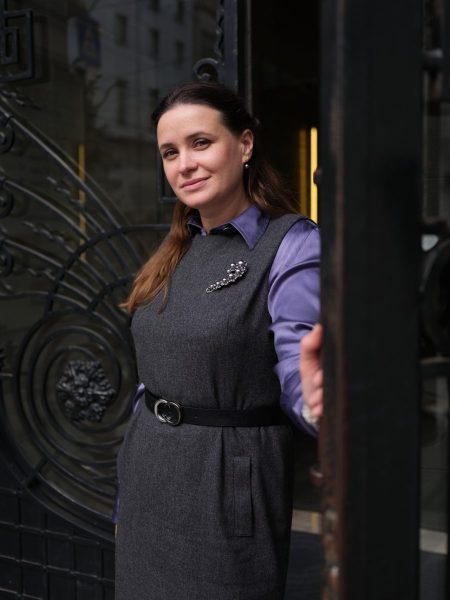
“Other markets partially and naturally offset the decline in Israeli guests, a result of our ongoing strategy to diversify the hotel’s visitor mix as broadly as possible. Moreover, the guests who did stay with us spent slightly more per night than in 2025, even as overall volume declined“, said Mirela Cojocaru, General Manager of Hotel Cișmigiu.

Romania ranks second in the source market breakdown for H1 2026, followed by the United Kingdom, Germany and Spain among international markets. Of international overnight stays, the United Kingdom accounted for 8%, Germany for 7%, moving up one position compared to the previous year, while Spain recorded the strongest relative growth, advancing from 4% to 6%. Italy fell from 11% to 6%, while guests from the United States maintained a steady 5% share.

The ADR (average daily rate) at Hotel Cișmigiu advanced from €121 to €123, a sign that demand quality improved, while the corporate/leisure ratio remained stable at 55/45, confirming the loyalty of the business segment to the property.

Total accommodation revenues at Hotel Cișmigiu came in at €923,000 in H1 2026, compared to approximately €1 million in the same period of the previous year, while the occupancy rate reached 71%, down from 77% in H1 2025 and 78% at year-end 2025. The number of overnight stays was 7,600, compared to 8,300 in H1 2025, with the 8% decline in line with the national trend recorded by INS for the same period.


“Although March and April were difficult months, May and June brought a recovery that gives us confidence for the second half of the year. September and October are traditionally a second peak season for Bucharest, and if this trend holds, we expect to close the year with a deviation of just 2–3% from our targets set at the beginning of the year. The key lesson of this first half is the importance of diversifying our source market mix  and we are working to make this a strategic priority going forward“, said Mirela Cojocaru.

Beyond these developments, the first six months of 2026 brought a cumulative set of fiscal and regulatory pressures. The city tax increased by more than 200% compared to 2025, following a change in the calculation model from a percentage-based levy to a fixed amount per tourist per night. The hotel chose to collect the tax separately, keeping ADR unaffected and ensuring transparency for guests and comparability with the prior period.

On the personnel side, the gross minimum wage increased from RON 4,050 to RON 4,325 as of 1 July 2026, a rise of 6.8% whose effects have already been factored into the budget plan for the second half. Added to these were pressures on energy costs, felt concretely in operations through utilities, climate control and equipment, and addressed through medium-term energy efficiency measures.

Overall, hotel management has absorbed these costs through operational adjustments and proactive budget planning, without passing the pressure on to room rates or compromising the quality of service offered to guests. In this context, the fiscal and operational pressures of H1 do not alter the outlook for the second half of the year, with the hotel continuing to pursue its stated objectives.

About Hotel Cișmigiu

Hotel Cișmigiu includes 60 apartments, five conference rooms with capacities ranging from 30 to 70 people, and an amphitheater. It also serves as a cultural hub, hosting a Humanitas bookstore and the Cervantes Institute.
Renewable Energy Projects Become Vitalis Consulting’s Main Growth Driver: Two New Photovoltaic Parks Signed in Q1 2026

Renewable Energy Projects Become Vitalis Consulting’s Main Growth Driver: Two New Photovoltaic Parks Signed in Q1 2026 900 600 BUCHAREST REAL ESTATE CLUB

Vitalis Consulting, one of Romania’s leading project management and construction consultancy companies, concluded the first quarter of 2026 with a strong acceleration of its renewable energy business, which has emerged as the company’s primary growth driver.

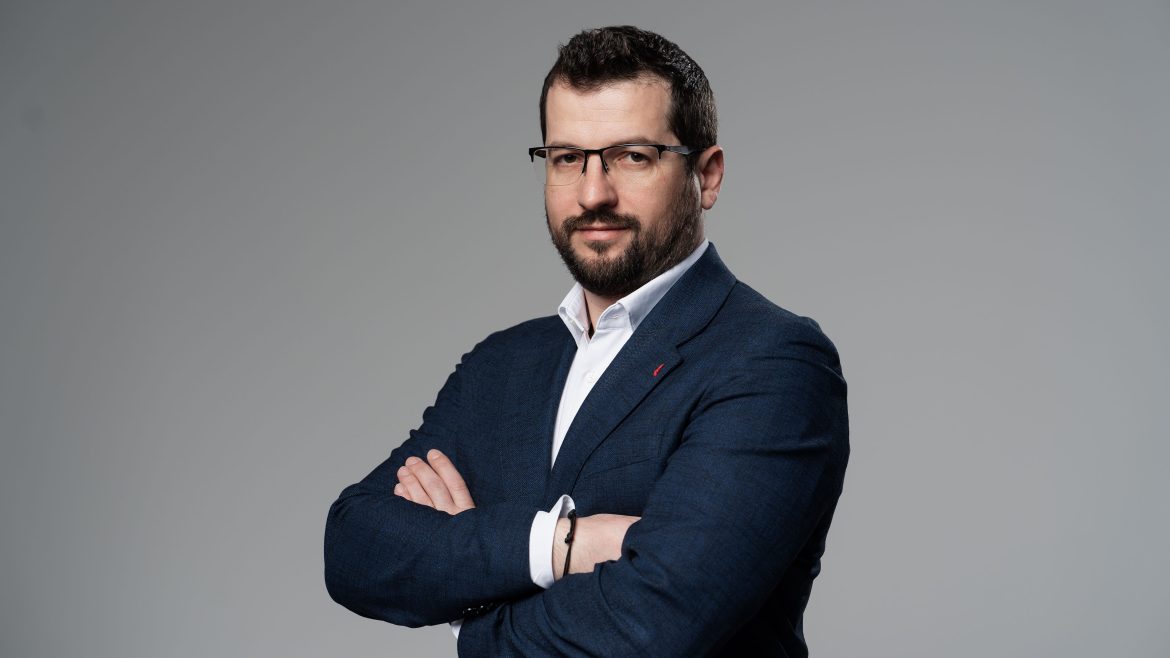
“The strongest momentum has been recorded in the photovoltaic and energy storage segments, as investors increasingly focus on energy efficiency, sustainability and long-term returns. This market is supported both by growing investor interest and by the funding opportunities available for such developments. We see this segment as a strategic pillar for the company’s future growth,” said Alexandru Samoilă, Managing Director of Vitalis Consulting.

Two New Photovoltaic Parks Signed in Q1

During the first quarter, Vitalis Consulting secured two major renewable energy projects. The first is the Mărunței Photovoltaic Park, located in Olt County, with an installed capacity of 60.88 MW and a 100.30 MWh Battery Energy Storage System (BESS). The second project is the Gârla Mare Photovoltaic Park, located in Mehedinți County, with a total installed capacity of 2 × 63 MW, complemented by two BESS installations with capacities of 50 MWh and 100 MWh, respectively. For both projects, Vitalis Consulting will provide integrated project management, site management, construction supervision and Health & Safety (H&S) coordination services.

These new developments reflect the accelerating pace of renewable energy investments in Romania and further strengthen Vitalis Consulting’s position in a strategic sector with significant long-term growth potential. At the same time, the company is in advanced negotiations for several additional projects, some of which are close to being signed.

Industrial and Hospitality Sectors Continue to Deliver Solid Growth

Beyond renewable energy, the industrial sector remains a strategic business line, particularly in logistics and automated warehousing infrastructure, where Vitalis Consulting leverages its experience gained through more than 80 industrial projects, covering over 600,000 square metres.

The hospitality sector also continues to represent an important growth area, with seven hotel developments currently underway across Romania, representing combined investments exceeding EUR 300 million.

During the first half of the year, the company was involved in projects including H East Residence, a residential development that will deliver 568 apartments, 824 parking spaces and an integrated retail component, as well as a logistics development in Câmpia Turzii, incorporating advanced warehousing and operational technologies. The latter is a relevant example of the ongoing evolution of Romania’s logistics sector and cold chain infrastructure.

A Challenging Yet Supportive Environment for Strong Projects

The company’s positive performance comes amid an economic environment characterised by persistently high financing costs, inflationary pressures and longer investment decision cycles. Despite these challenges, Vitalis Consulting remains optimistic, relying on the flexibility and adaptability it has built over 20 years of activity.

Looking ahead, the company will continue expanding its portfolio in the industrial and energy sectors while strengthening its presence in hospitality and healthcare projects. At the same time, it plans to further invest in digitalisation, automation and the expansion of its technical due diligence services.

2026 marks a significant milestone for Vitalis Consulting, as the company celebrates 20 years of operations on the Romanian market.

Romanians spend 17% more at the mall than two years ago, above the inflation rate. The Mall Effect Index explains why.

Romanians spend 17% more at the mall than two years ago, above the inflation rate. The Mall Effect Index explains why. 752 600 BUCHAREST REAL ESTATE CLUB

Urban consumer behavior in Romania is measured with a dedicated index. Trends over the last three years.

+17%

SPENDING PER VISIT

327 → 370 → 383 RON ·

real growth above inflation

64%

REAL CONVERSION

visitors who stated they made a purchase after seeing an ad in the mall · 3-year record

82%

ADS RECALL

growing for 3 consecutive years ·

80% · 81% · 82%

70

MALL EFFECT INDEX 2026

on a  0–100 scale · 65 · 67 ·

70 (series  2024–2026)

The Mall Effect Index (MEI) https://themalleffect.ro/ reached a score of 70 points on a scale of 0 to 100 in 2026, the third consecutive year of growth, from 65 in 2024 to 67 in 2025. Romanians in major cities reported spending an average of 383 RON per mall visit, 17% more than two years ago, a growth that exceeds the cumulative inflation rate over the same period. The indoor advertising conversion rate reached 64%, an all-time record in three years of measurement, and the conversion gap of +7 percentage points shows that more people actually make a purchase compared to those who say they intend to.

WHAT IS THE MALL EFFECT INDEX (MEI)

The Mall Effect Index (MEI) is the first initiative in Romania to longitudinally track consumer behavior in shopping centers. Developed by Generatik together with Reveal Marketing Research, this index aims to bring greater clarity to an area that has been insufficiently measured until now: real consumer behavior in shopping centers and the role the mall plays in the purchasing decision.

Built on three waves of research conducted between 2024 and 2026, the index provides the first coherent insights into how consumption works in Romania’s shopping malls. Until now, the market has had mostly fragmented data on traffic, sales, or reach, but very few integrated tools that track the same type of behavior, using the same methodology, year after year.

„The Romanian market has sales data, traffic data, and reach data. What it has lacked until now is a tool that measures the same behavior, with the same method, year after year. Without that, you cannot tell whether what you see is a real trend or just year-to-year variation”, explains Marius Luican, founder of Reveal Marketing Research, highlighting the role of methodological continuity in this endeavor.

From an advertising effectiveness perspective, approximately 8 in 10 visitors reported having seen advertising in the mall during their visit , this is the exposure rate, the first sub-index of the index, measuring how many visitors have visual contact with indoor advertising. 64% of respondents said they made a purchase as a result of an ad seen inside, representing the conversion rate, the only sub-index that measures real behavior rather than stated intent. However, the index’s surprise indicator remains the difference between stated intent, what people say they will do after seeing an ad, and actual purchasing behavior: more respondents said they actually made a purchase (64%) than stated they intended to (57%). This 7-percentage-point gap, called the Conversion Gap, shows that the influence of mall advertising operates beyond consumer awareness, and that the mall functions more as a decision-making and purchasing space rather than merely an exposure space. At the same time, indoor advertising recall, the extent to which visitors exposed to advertising retain something from what they saw, has grown for the third consecutive year, a rare phenomenon in Romania’s media landscape.

The influence of indoor advertising appears at a specific moment of the visit, defined by the authors as the “Golden Moment”, the point at which context, exposure, and consumption readiness align.

„The conversion gap is the golden nugget that mall advertising adds to the relationship between brand and consumer. When we go to the mall, we are much more open to discovery and purchase decisions than in other contexts. For the first time, this effect is beginning to be quantifiable”, explains Răzvan Marincoi, Product Manager at Generatik, Creator of The Mall Effect Index.

The 2026 study data paints a picture of a more active urban consumer who is spending more than in previous years. The average spending per visit reached 383 RON, exceeding the cumulative inflation rate over the analyzed period. The data suggests that the physical mall remains the primary point of contact and validation in the purchasing process, decisively influencing the final choice, even when the transaction subsequently shifts online.

The data also points to a shift in urban consumer behavior: the mall remains a relevant commercial space but is increasingly gaining a social dimension. At the same time, consumers appear to be becoming more efficient, spending more during shorter visits.

„After three consecutive years of measurement, the real conversion of mall advertising reached 64% in 2026, the highest since we started measuring. At the same time, average spending has increased, and advertising recall grows every year. We are no longer talking about a snapshot. We are talking about a structural trend that positions the mall as one of the most effective communication channels in Romania”, said Răzvan Marincoi, Product Manager at Generatik, Creator of The Mall Effect Index.

The project’s authors emphasize that The Mall Effect Index is an evolving endeavor, built on three years of comparable measurements. Derived from a larger study on consumer behavior and based on self-reported responses collected via the CAWI method, the index currently provides an overview of consumption trends in the mall.

The Mall Effect Index marks a shift in perspective in how the industry can understand consumer behavior in the mall: from measuring volumes to the mechanisms behind the purchasing decision. Based on three years of comparable data, the index is already outlining a first frame of reference , for brands and marketers, for media agencies, for investors and shopping center operators, and is preparing to reach a greater level of granularity. In editions 4 and 5, the analysis will be developed through dedicated studies and expanded with differentiations by mall type, city, and consumption category, built together with all interested parties.

How Mindspace Is Shaping Romania’s Flexible Office Market

How Mindspace Is Shaping Romania’s Flexible Office Market 1200 600 BUCHAREST REAL ESTATE CLUB

18.05.2026

Andreea Birladeanu, General Manager Romania, Mindspace

Mindspace operates two hubs in different areas of the capital. How do the two locations differ, and what type of tenants have you attracted?

Mindspace’s two Bucharest locations reflect two different business dynamics within the city.

Mindspace Victoriei location, in the central Bucharest, attracts a diverse mix of international companies, professional services firms, tech teams and scale-ups seeking strong accessibility and a premium central presence. The atmosphere is energetic and business-oriented, with many companies using the space as a hub for hybrid teams and client-facing operations.

Mindspace Business District, located in one of Bucharest’s key modern office areas, appeals more strongly to established corporations, regional headquarters, and fast-growing technology companies. Tenants there tend to prioritize scalability, premium amenities, and access to modern infrastructure while still maintaining flexibility.

What’s particularly interesting in Romania is how diverse the tenant mix has become. Flexible workspaces are no longer used only by startups or freelancers. Enterprise companies, outsourcing firms, creative industries, and international businesses are increasingly using flexible office solutions as part of their long-term workplace strategy.

Can we still talk about co-working as a solution for freelancers and start-ups?

That’s where coworking started, but the Romanian market has evolved significantly.

In the early years, coworking spaces mainly served freelancers, entrepreneurs and small startups that needed affordable and flexible office solutions. Today, the market has matured. Flexible workspace has become an important solution for medium-sized businesses, international companies entering Romania and enterprise teams adapting to hybrid work.

In Bucharest especially, companies are increasingly focused on employee experience, talent retention, and flexibility. The office is no longer viewed simply as a fixed operational cost. It’s part of company culture and employer branding.

Romania’s growing tech ecosystem has also accelerated this shift. Many companies want spaces that support collaboration, creativity, and community rather than traditional static offices.

So coworking today is less about company size and more about agility and experience.

Economic and technological instability makes 10-year planning difficult for companies. Under these conditions, is flexibility becoming the “new security” for tenants?

Absolutely. In today’s environment, flexibility is increasingly seen as a form of security.

Many companies are cautious about committing to long-term leases because workforce needs, economic conditions, and technology are changing so rapidly. This is especially relevant in Romania, where businesses are balancing growth opportunities with global uncertainty.

Flexible workspaces allow companies to scale more efficiently, adapt to hybrid work models, and reduce long-term real estate risk. Instead of locking themselves into rigid structures, businesses want the ability to evolve and adapt quickly.

We’re also seeing that flexibility supports talent strategy. Employees now expect more adaptable work environments, and companies need workplace solutions that help attract and retain skilled professionals.

In many ways, agility has become more valuable than permanence.

How does Mindspace use data and artificial intelligence to optimize workspace utilization? Do you have any insights into how workplace design is changing to accommodate teams that collaborate intensively with AI tools?

Data and AI are becoming increasingly important in understanding how people use workspaces and how offices can operate more efficiently.

By analyzing occupancy trends, meeting room usage, attendance patterns and member behavior – Operators can optimize layouts, improve operational efficiency, and create more responsive environments.

AI also helps improve forecasting, energy management and personalized workplace experiences. As hybrid work becomes standard, these insights are essential for adapting spaces to real usage patterns rather than assumptions.

In terms of design, offices are evolving significantly because AI is changing how teams work. Routine individual tasks are increasingly supported by AI tools, which means the office is becoming more focused on collaboration, innovation, and interpersonal interaction.

We’re seeing demand for:

  • More collaboration zones and social spaces
  • Flexible meeting rooms with advanced hybrid capabilities
  • Quiet rooms for focused AI-assisted work
  • Better acoustics and adaptable layouts
  • Hospitality-inspired environments that encourage employees to spend meaningful time in the office

In Romania’s competitive talent market, workplace quality has become an important differentiator.

As co-working evolves into broader business ecosystems, how are operators responding in terms of the services they provide?

The role of coworking operators has expanded considerably.

Today, companies expect much more than office infrastructure. They’re looking for environments that support networking, employee wellbeing, productivity, and company culture.

Operators are responding by building full business ecosystems around the workspace experience. That includes hospitality services, curated events, wellness initiatives, networking opportunities, flexible memberships, and community-driven programming.

In Bucharest, this is particularly relevant because many businesses value opportunities for collaboration and international connectivity. Flexible workspaces can create communities where startups, scale-ups, corporates, and creatives interact organically.

We’re also seeing increased demand for:

  • Enterprise hybrid-work solutions
  • Event and meeting spaces
  • Plug-and-play offices
  • Wellness and lifestyle services
  • Community and networking programs
  • Technology-enabled workplace experiences

The overall direction is clear: coworking is evolving from a real estate product into an experience and service platform that helps companies support both business performance and employee satisfaction.

Eldrive Romania celebrated the opening of its new office alongside partners

Eldrive Romania celebrated the opening of its new office alongside partners 899 600 BUCHAREST REAL ESTATE CLUB

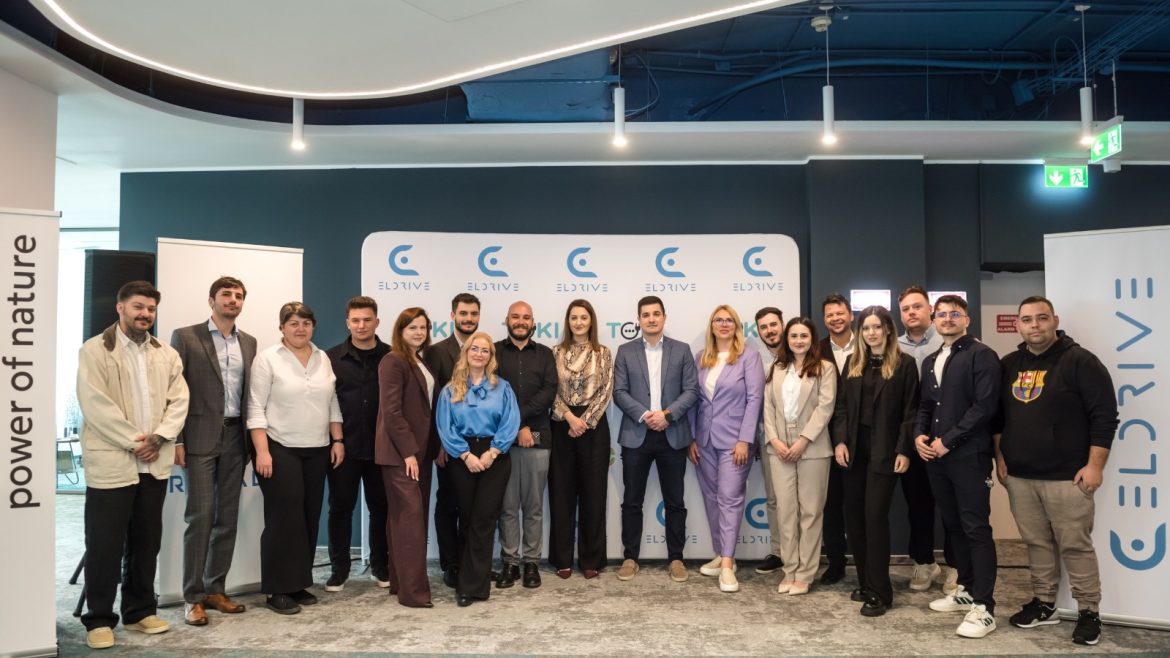
The companies part of Renalfa Solarpro Group, Renalfa, Solarpro, Toki Power Romania and Eldrive Romania, celebrated the opening of their new office alongside partners.

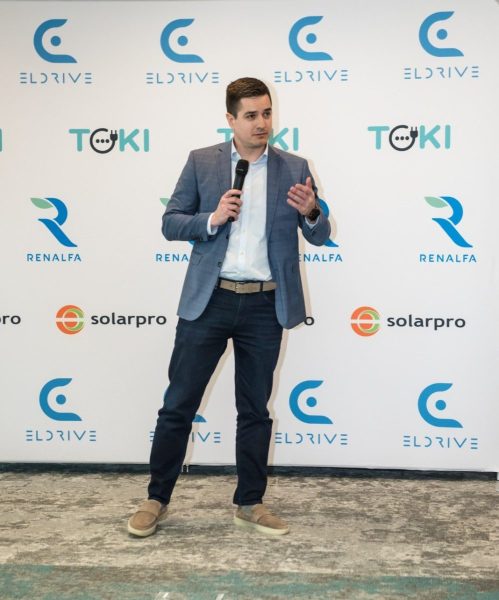
On May 13, the Romanian teams of the RSG celebrated the opening of their new office of approximately 750 sqm in Oregon Park, Bucharest, through an event dedicated to collaboration, networking, and strengthening relationships with partners and guests from various industries.

The program included a series of speeches delivered by representatives of the four companies sharing the new office space.

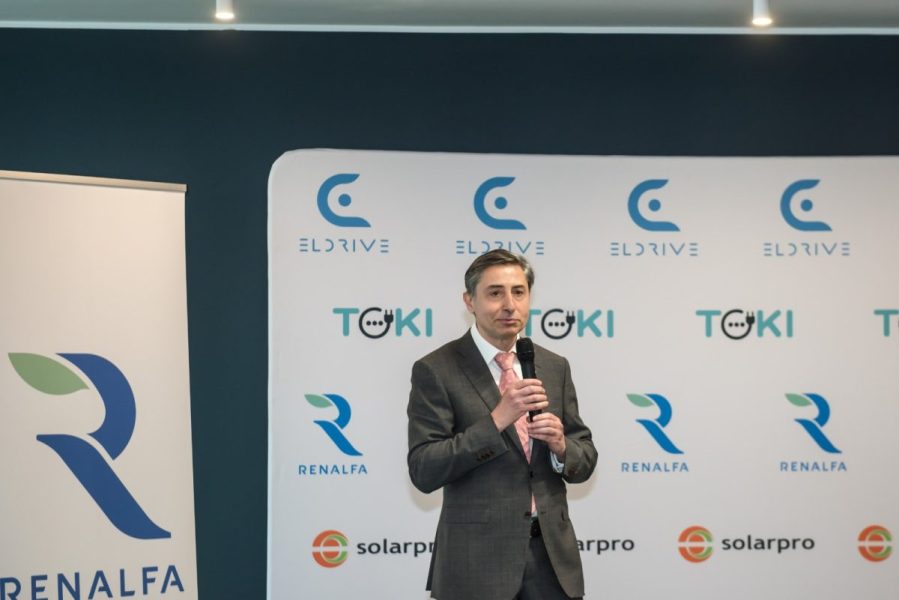
Konstantin Nenov, Founder of Renalfa Group, opened the speeches by highlighting the long-term vision behind the ecosystem formed by Eldrive, Solarpro, Renalfa, and Toki Power Romania, as well as the importance of innovation and strong partnerships. “Our business mentality is that we bet on very long-term relationships. We grow together, we develop together, and we innovate together,” he said.

George Tecușan, Country Manager of Renalfa Romania, continued by emphasizing the importance of collaboration, partnerships, and the people behind the group’s strategic objectives.

“We are innovators, but we need an ecosystem to thrive and to develop. This journey cannot be done alone,” he said.

He also thanked the partners and stakeholders present at the event for their trust, support, and contribution to the group’s development in Romania.

In his speech, Stefan Spassov, CEO of Eldrive, highlighted the strategic importance of Romania for the company and the rapid evolution of the country’s EV charging infrastructure. He emphasised Eldrive Romania’s milestone of reaching 1,000 charging points nationwide and outlined the company’s plans to continue investing in stronger and more reliable charging infrastructure, new high-performance charging hubs tailored to the Romanian market, and future-ready solutions for electric trucks and heavy-duty vehicles.

“Romania is not simply another market for Eldrive, it is a strategic priority and a country where we strongly believe in the long-term potential of e-mobility,” said Stefan Spassov.

Kamen Nedyalkov, Country Manager of Solarpro Romania, emphasized the importance of collaboration and strong partnerships in supporting the company’s projects and long-term ambitions in Romania. He also highlighted Solarpro’s commitment to delivering projects on time and at the highest quality standards.

“This is just part of the way we are being ambitious to develop the market here and to grow together with our partners,” he said.

Aurel Mindrican, Country Manager of Toki Power Romania, spoke about the company’s role within the wider Renalfa Solarpro Group ecosystem and its focus on optimizing the commercial operation and performance of production and storage capacities.

“For Toki Power Romania, the priority is the commercial operation and performance optimization of the production and storage capacities of both our partners and the Renalfa Solarpro Group,” he stated.

Camelia Popescu, Country Manager of Eldrive Romania, spoke about the journey of the local team and the importance of collaboration in accelerating the transition to electric mobility.

“This new office represents much more than a physical move. It reflects who we are becoming as a company: a place where ideas grow, partnerships strengthen, and innovation happens,” she said.

The companies also extended their thanks to Lion’s Head, the owner and operator of Oregon Park, for hosting the new shared office space.

Following the official session, guests had the opportunity to discover the new office and continue the discussions during a networking lunch focused on future projects, collaboration opportunities, and the continued development of sustainable mobility in Romania.

We would like to thank everyone who joined us for this special occasion, and we look forward to continuing to build ambitious and sustainable projects together.

West Group launches the KronenPark Residences brand, announces four residential projects in Romania and Germany, and targets a turnover of 75 million euros in 2026

West Group launches the KronenPark Residences brand, announces four residential projects in Romania and Germany, and targets a turnover of 75 million euros in 2026 900 600 BUCHAREST REAL ESTATE CLUB

West Group, a real estate developer operating on a German business model, is announcing a major milestone in the consolidation and development of its portfolio. The residential complex previously known as iResidence becomes KronenPark Residences. The rebranding follows West Group’s full acquisition of the project and its integration into the portfolio of developments the group is building under the Kronen brand.

The new identity marks the group’s commitment to the clients who have trusted the project from the very beginning and reaffirms the promise to deliver homes to the highest quality standard in the northern area of the capital. Simultaneously, West Group is announcing four residential projects under development in Romania and Germany and a consolidated projected turnover of ~75 million EUR for 2026.

The rebranding reflects a long-term portfolio strategy. West Group is simultaneously developing KronenPark Residences in Pipera, a boutique project in Cotroceni, multi-family vacation homes in Sinaia, and a residential project in Offenbach (Frankfurt), the city where the group also has a subsidiary.

„The market is maturing and buyers are making the distinction between a project and a product. KronenPark Residences is a product with a technical standard, a services ecosystem and a brand identity that we can replicate in every future development. This is the Kronen promise”, said Dan Crăciunescu, founder of West Group.

The announcement comes at a time when Bucharest’s residential market is going through a phase of maturation and consolidation. New apartments in the capital have risen in price by 24% over the past year, and estimates point to over 20,500 new homes in Bucharest and its surroundings in 2026. The northern area remains the primary development hub, with over 8,500 units in the pipeline. In this competitive landscape, buyers are becoming increasingly selective and favour well-built, energy-efficient projects with multiple amenities.

KronenPark Residences – 45% reservations in the first phase, accelerating demand

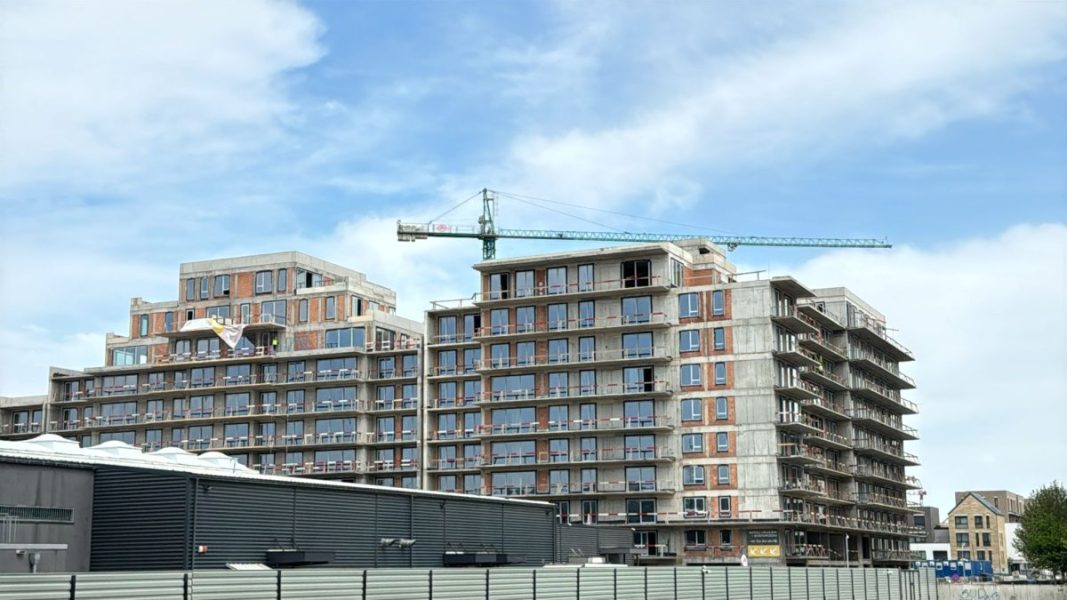
Developed on a 23,000 sqm plot in the Pipera – North Bucharest area, the project comprises 547 apartments across 8 buildings, with 57 typologies , ranging from studios to panoramic penthouses and apartments with private gardens. The first phase (273 homes) has a reservation rate of 45%. Of these, 5 percentage points were added in just three weeks, signalling a significant acceleration in demand as the project gains visibility and progresses in construction.

The construction site is progressing on schedule. The structure is fully completed. Reynaers aluminium exterior joinery with triple-pane thermal insulation glazing has been installed on all buildings. Interior partitioning is complete in building B3 and nearing completion in buildings B1 and B2. Facade installation will begin on May 18, 2026. Electrical, HVAC, sanitary, and thermal installation works are underway.

KronenPark Residences integrates smart-home infrastructure, a BMS system for energy consumption optimisation, valet parking, 24/7 reception, a secured parcel area, property management and concierge services. Vehicle circulation is exclusively underground. The project features 810 parking spaces across two levels, EV charging stations and bicycle parking. At ground level, a 15,000 sqm private park is planned, the largest in the area, with a promenade, cycling and jogging track (~500 m), a multi-purpose sports court, a wellness area and pet-dedicated spaces.

Hybrid Working Accelerates the Rise of Flex Office

Hybrid Working Accelerates the Rise of Flex Office 900 600 BUCHAREST REAL ESTATE CLUB

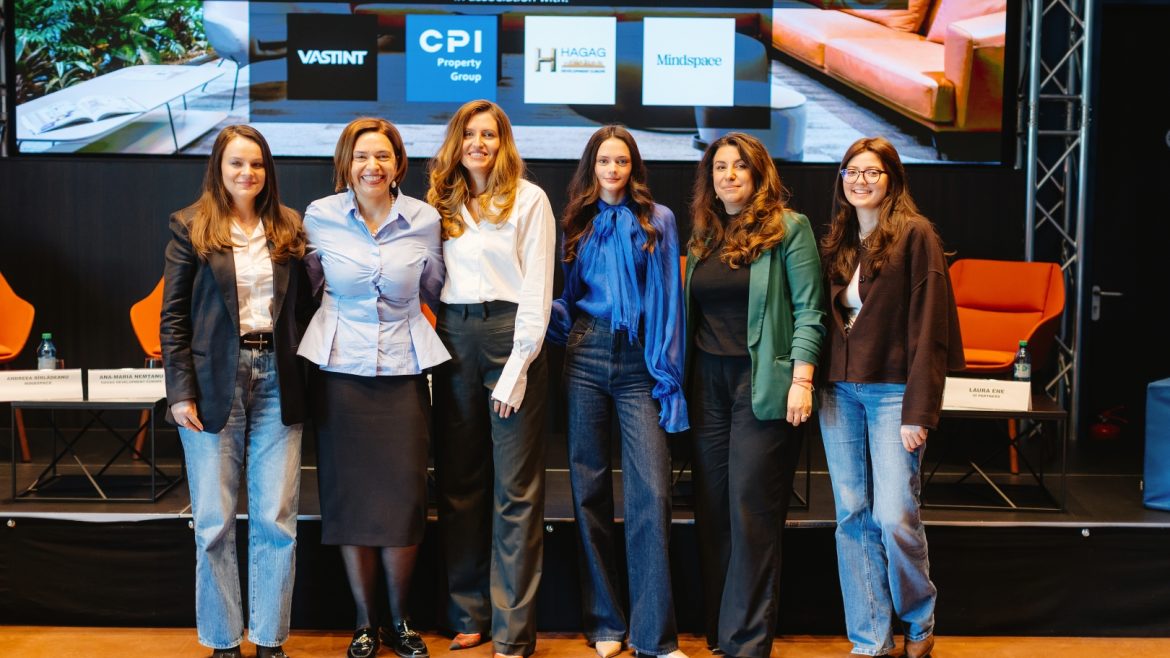
As the way we work shifts from traditional to decentralised models, Flex Office solutions are gaining significant ground — whether through coworking operators or landlord-led flexible offerings. This is one of the key conclusions of THE NEW DESIGN OF WORK, the office conference organised on 6 May by Bucharest Real Estate Club and Romania Property Club.

Data from iO Partners highlights a diversification of occupancy strategies, identifying five distinct working models adapted to the new economic realities. “While the Office Centric model assumes office presence of up to 75% — with a strong 70% focus on individual work — the market is witnessing a paradigm shift among organisations with lower utilisation rates. Companies recording office presence below the 30–45% threshold are already transitioning towards flexible options, optimising space by adjusting the sharing ratio and prioritising social interaction over static workstations,” explains Laura Ene, Senior Consultant, Tenant Representation, iO Partners. On the rents side, iO Partners data shows that in Bucharest rates range between €15–22 per sqm per month, while in regional centres — Cluj-Napoca, Timișoara, Iași and Brașov — they sit between €12.5 and €17 per sqm. The lowest vacancy rate is recorded in Brașov at 6.7%, while Iași leads at 13.3%; Bucharest stands at 10.3%. Between Q1 2025 and Q1 2026, approximately 300,000 sqm were transacted in Bucharest and 51,000 sqm in regional centres, with Cluj-Napoca, Timișoara and Iași being the most active markets.

Vastint is currently developing the largest office construction site in Bucharest — the second phase of Timpuri Noi Square, spanning 60,000 sqm. “The new building is designed as a landmark project that eliminates fossil fuels and relies entirely on renewable energy sources, including 1,700 sqm of photovoltaic panels, heat pumps and geothermal wells. Our goal is to achieve LEED Platinum certification at the highest level — above 100 points. Phase 2 also introduces an expanded retail mix, including New Tales — a unique concept set to combine a diverse food and beverage offer with cultural services across approximately 6,000 sqm,” says Maria Badea, Senior Leasing Manager, Vastint Romania.

CPI Property Group Romania manages an office portfolio of 280,000 sqm, representing 8% of Bucharest’s modern stock. The portfolio has been significantly strengthened through the expansion of medical and healthcare assets — buildings such as Iride Eighteen, myhive Victoria Park and Băneasa Airport Tower have been partially or fully converted into medical spaces, now hosting private healthcare operators including Provita, Leventer Medical Group and Regina Maria. “For us, this move not only diversified our tenant mix, but also increased stability and predictability, improved utilisation rates in a hybrid working context, enhanced asset value and occupancy — and, not least, created a clear differentiation from the competition,” explains Andreea Cotigă, Head of Leasing Office, CPI Property Group Romania.

The concept of coworking and flexible office spaces has evolved considerably — from being primarily associated with startups and freelancers to gaining broad adoption among large enterprise companies. “Flexible office spaces and managed offices are becoming an increasingly common choice for companies at a certain stage of their evolution, when the need for adaptability and scalability becomes essential. These solutions allow them to avoid long-term lease commitments, optimise fixed costs and integrate flexibility as a strategic component of their real estate portfolio — not merely a temporary fix,” says Andreea Birladeanu, General Manager, Mindspace Romania, one of the leading players in the flexible workspace market, operating two major hubs in key areas of Bucharest: Mindspace Business District in the Dimitrie Pompeiu area, and Mindspace Victoriei in the central zone.

Ana-Maria Nemțanu, Director of Leasing, Hagag Development Europe, adds: “We are seeing sustained demand for boutique office spaces, particularly in premium central locations where accessibility, design quality and the amenities mix play an essential role in occupancy decisions. Flexibility and service integration are becoming increasingly relevant criteria for tenants, which sustains strong interest in fully serviced private office concepts. A clear example is H Private Arghezi, our business centre in the CBD, which reached 89% occupancy in April, supported by a retention rate of nearly 95%. At the same time, we are observing a natural growth path among tenants, with some migrating from serviced spaces to conventional areas within our portfolio — confirming both the appeal of the product and the importance of services and long-term relationships.”


Laura Ene, iO Partners, about the new design of work 2026: “One size no longer fits all”

Laura Ene, iO Partners, about the new design of work 2026: “One size no longer fits all” 632 600 BUCHAREST REAL ESTATE CLUB

11.05.2026

Laura Ene, Senior Consultant, iO Partners

Investment Market: Signs of Recovery After a Challenging 2025

Following a 31% decline in liquidity in 2025 compared to 2024, Romania’s real estate investment market is showing the first clear signs of recovery. Last year’s slowdown largely reflected the postponement of several large-scale transactions into 2026, with the office sector leading total volumes at 40%, followed by retail at 36%. Against this backdrop, 2026 projections are optimistic: with multiple major transactions currently in advanced stages of negotiation, total investment volumes could reach approximately €900 million. Prime yields and rents remained broadly stable in Q1 2026, providing a degree of predictability for the period ahead.

Office Take-Up: Demand Softens, but the Market Rebalances

Both Bucharest and regional cities recorded declines in gross take-up in 2025 — down 23% and 27% respectively compared to 2024. The picture, however, is nuanced. In the capital, a lack of new supply kept lease renewals as the dominant transaction type, while higher-vacancy regional markets such as Timișoara saw more expansions and relocations. Prime rents remained stable across most markets, with Bucharest continuing to be the most complex, showing significant variation between assets and submarkets. Vacancy rates at national level continue to decline, signalling a gradual absorption of existing stock.

Regional Cities: Cluj and Brașov Lead the Development Pipeline

At regional level, Cluj-Napoca, Timișoara, Iași and Brașov all recorded year-on-year decreases in vacancy, with typical Class A rents ranging between €12.5 and €17 per sqm per month. While Bucharest has evolved beyond its IT-driven roots, regional cities such as Cluj and Iași remain heavily reliant on the technology sector as the primary demand catalyst. On the supply side, regional developers are proceeding cautiously, with Cluj and Brașov concentrating the majority of completions expected over the next three years.

Hybrid Working Models Are Reshaping Space Requirements

One of the most compelling sections of the iO Partners report examines the five dominant working models currently in play — ranging from Office Centric, with up to 75% maximum presence, to fully Remote, with four to five days worked from home. Companies recording office presence below 30–45% are already exploring flexible space solutions, a trend that is accelerating the adoption of flex and coworking formats. Hybrid models imply lower sharing ratios and a growing emphasis on social over individual workspaces — a shift with direct implications for how offices are configured and sized.

Flex Office: Steady Growth, Decentralisation Underway

Bucharest’s flex office stock surpassed 74,000 sqm by the end of 2025, accounting for over 2% of the total modern office stock — a meaningful threshold. Nationally, Romania now counts over 100 coworking locations, with the highest concentration in Bucharest, Brașov, Iași, Cluj and Timișoara. The emerging trend is one of decentralisation: satellite offices, regional hubs and flexible work environments that combine the benefits of remote work with professional office infrastructure. This evolution simultaneously addresses employee needs — reduced commuting, improved work-life balance — and corporate priorities, as businesses look to avoid long-term lease commitments and the high operational costs of a single central headquarters.

2026 Trends with Fulga Dinu, CPI Property Group Romania

2026 Trends with Fulga Dinu, CPI Property Group Romania 579 600 BUCHAREST REAL ESTATE CLUB

18.03.2026

Fulga Dinu, Country Manager, CPI Property Group Romania

What are your company’s business targets and plans for 2026?

Our main priority generally is to continually increase the relevance and resilience of our portfolio.

For the retail segment, we will continue upgrading our properties in line with the ever evolving consumer behavior, the growing demand for diversified services, and the need to enhance the shopping experience. We also focus on refreshing the tenant mix in order to drive higher footfall and strengthen the long-term competitiveness of our shopping centers.

For the office segment, we are expanding our ESG-driven measures while continuing to diversify the space usage by integrating private healthcare operators alongside traditional corporate tenants. Relevant examples include Nord Hospital at myhive IRIDE | eighteen, Băneasa Tumor Hospital, recently launched by Leventer Group at myhive Victoria Park, and Regina Maria at Băneasa Airport Tower. Today, more than 10% of our office portfolio is dedicated to medical services through long-term partnerships, some exceeding 20 years.

WWhat were the main business results for 2025?

In 2025, CPI Romania delivered very strong results, particularly in the leasing activity.

Within our local office portfolio, we secured a total of 55,000 sqm of leased space. Demand remained stable, following the trend of recent years, with lease renewals exceeding new take-up. Importantly, we recorded long-term renewals, often accompanied by space expansions, as well as renewed interest and new market entries from international companies: clear signs of continued confidence in the Romanian office market despite a challenging macroeconomic environment.

In retail, our 250,000 sqm portfolio continued to strengthen following the refurbishments, the reconfigurations, and the entry of major international brands into our portfolio. Notable milestones include the opening of the first Primark in VIVO! Cluj-Napoca, the ongoing refurbishment process of Sun Plaza, which includes the reopening of Pull&Bear and Zara stores, and the announced 7.000 sqm Auchan hypermarket and a fashion hub on an area of 16.000 sqm. We also completed a remodeling and extension process of Peek & Cloppenburg in Constanța, now operating a modern 2,500 sqm format.

Overall, 2025 was a dynamic year, marked by solid leasing performance, long-term tenant commitments, and continued investment in upgrading and strengthening our retail destinations.

What do you see as the main risks for the Romanian real estate market in 2026?

One of the main risks for the Romanian real estate market in 2026 remains the lack of predictability, which continues to affect the overall business environment. Romania is a market that requires constant attention, rapid adaptability, resilience, and firm decision-making. In this context, flexibility and a deep understanding of local dynamics are essential to successfully navigate 2026.

Where do you see the most attractive opportunities for growth in 2026?

In the office segment, limited new supply and high development costs are expected to create a favorable context for landlords. In retail, although consumption may remain under pressure, due to the recently adopted financial measures, dominant schemes with strong catchment areas are likely to remain stable and continue attracting both tenants and customers.

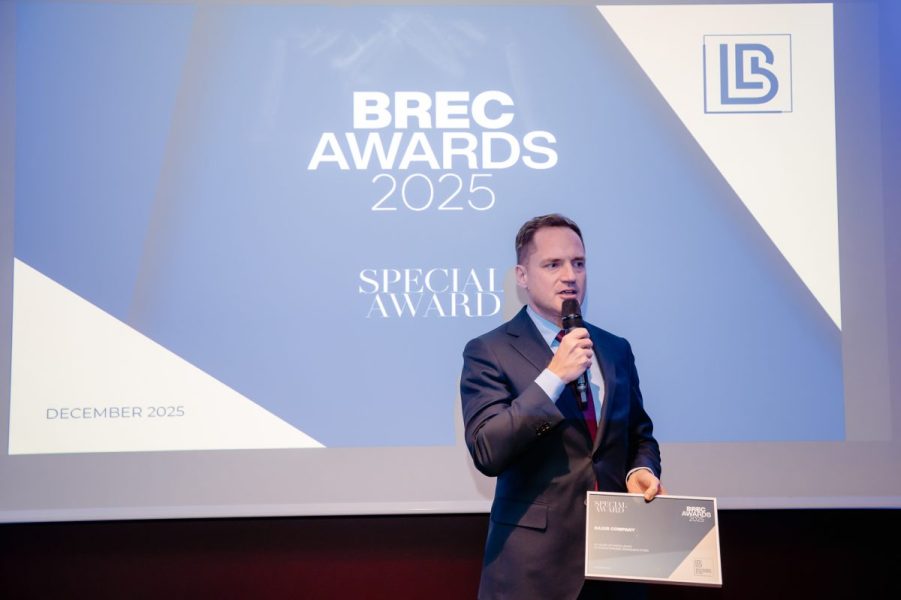
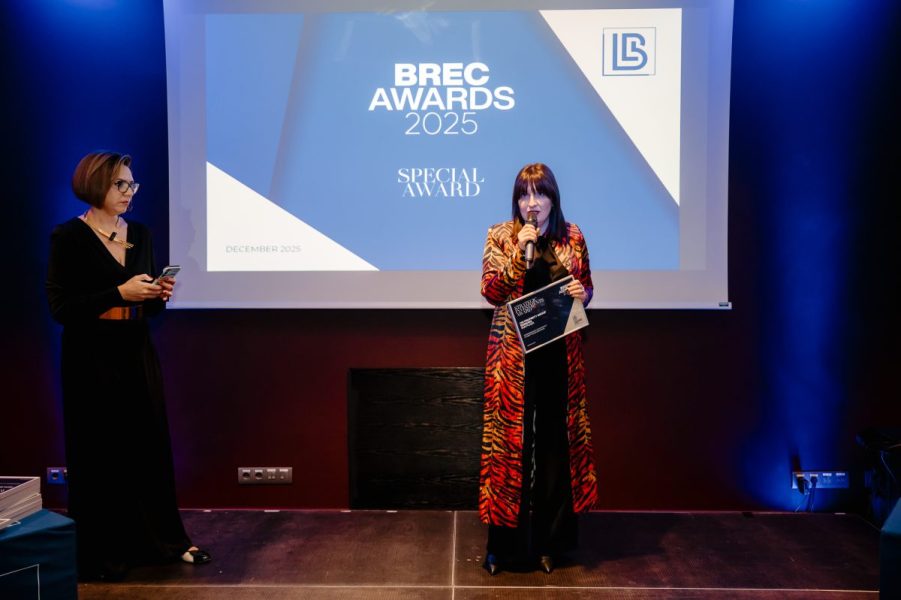
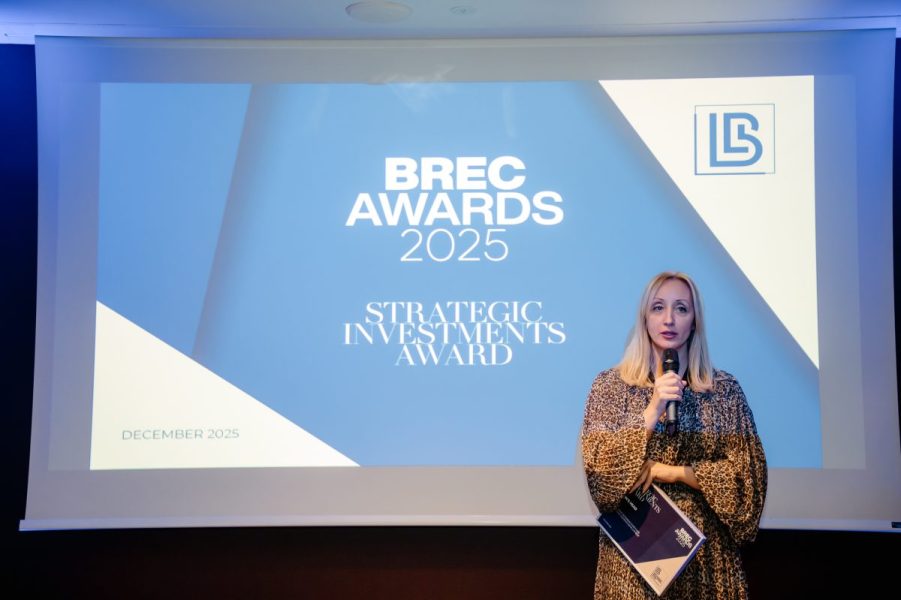
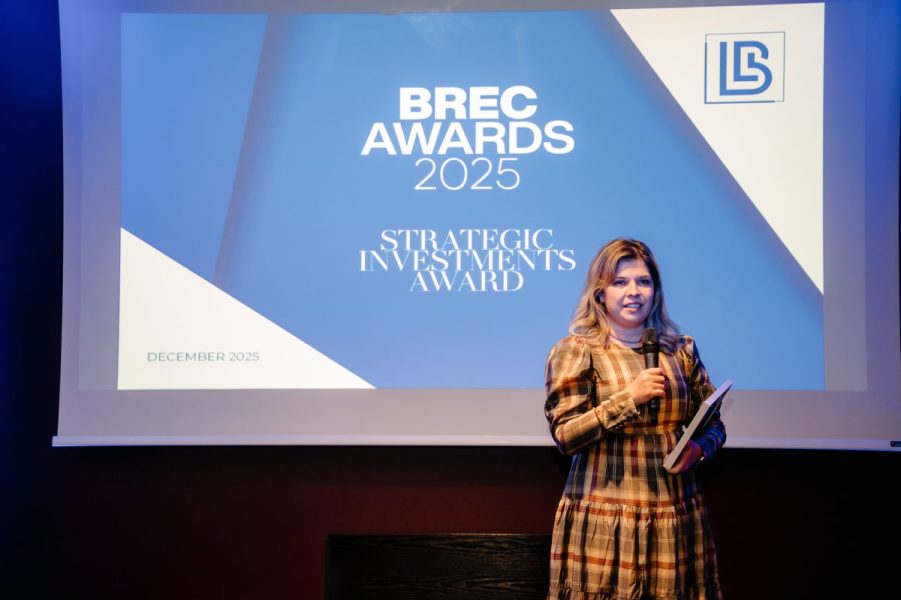
BREC AWARDS 2025: SPECIAL AWARD & STRATEGIC INVESTMENTS AWARD

BREC AWARDS 2025: SPECIAL AWARD & STRATEGIC INVESTMENTS AWARD 901 600 BUCHAREST REAL ESTATE CLUB

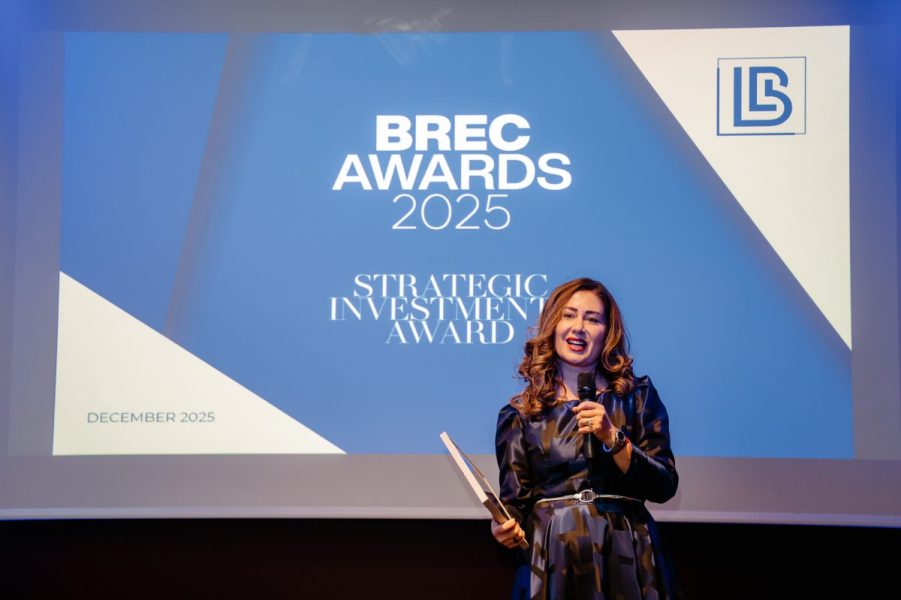
The annual BREC Christmas Party was a great opportunity to inaugurate BREC AWARDS, a new initiative designed to bring recognition to BREC members for their activity throughout the year in the real estate industry.

BREC AWARDS is our way to honour the visionaries who transform cities, redefine communities, and set new standards of excellence. BREC AWARDS has given us the opportunity to look closely at each member’s work in 2025 and highlight the investments, transactions, and companies that bring greater maturity and professionalism to the Romanian real estate industry.

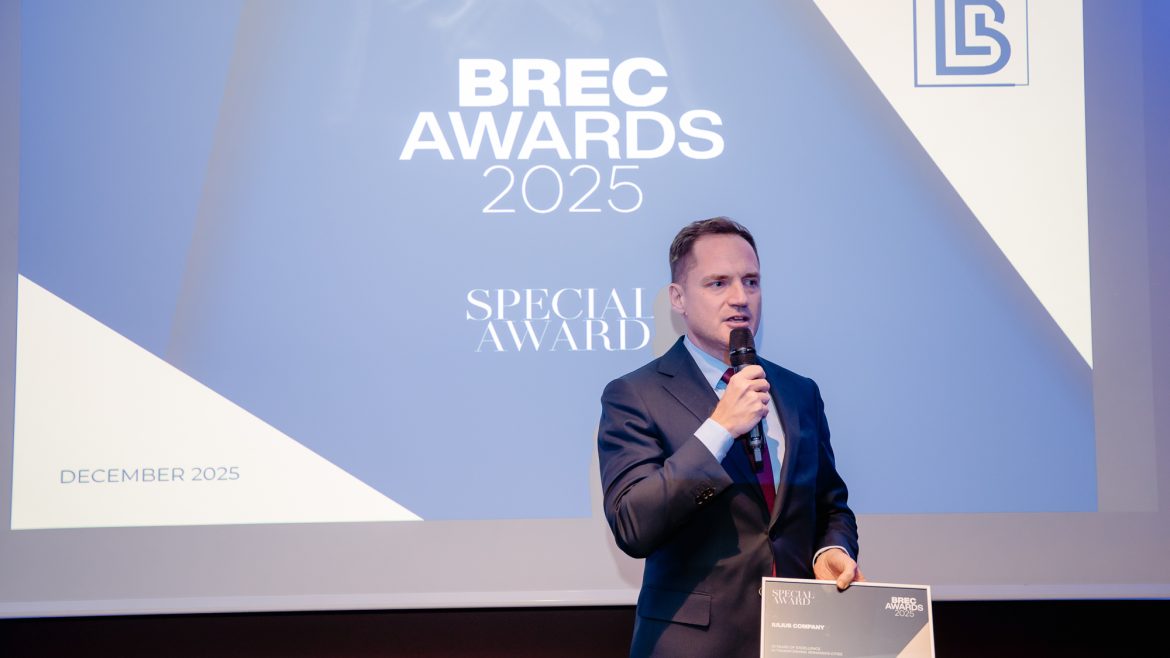
SPECIAL AWARD – IULIUS COMPANY

25 YEARS OF EXCELLENCE IN TRANSFORMING ROMANIA’S CITIES

This year, the IULIUS Group marks two and a half decades of activity, a period in which it transformed itself from a pioneer of modern retail outside the Capital, into a developer with major investments in urban regeneration. The company currently owns eight projects, in Iași, Timișoara, Cluj-Napoca and Suceava, totaling 320,000 sq m of retail space and 240,000 sq m of offices. With 1,700 employees and investments of 1.2 billion Euros in Romania, Iulius is an important player in the economic life of the cities where it operates. The projects in the portfolio have generated cumulative economic benefits of over 330 million Euros to the central and local budgets, through taxes and duties.

We are granting a SPECIAL AWARD to Iulius for the way they contributed to the development of Romanian cities and for 25 years of excellence in real estate.

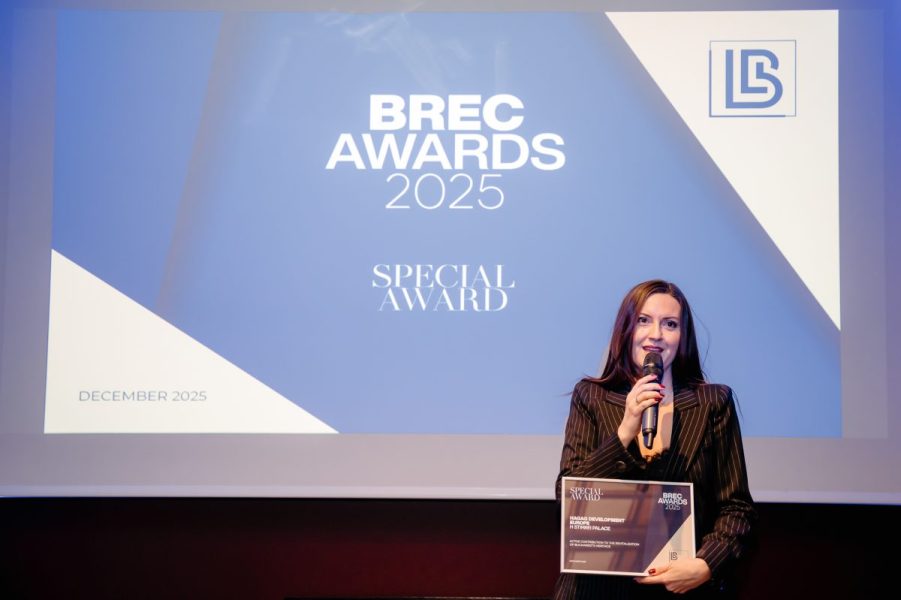
SPECIAL AWARD – HAGAG DEVELOPMENT EUROPE

ACTIVE CONTRIBUTION TO THE REVITALIZATION OF BUCHAREST’S HERITAGE – H STIRBEI PALACE

With this award, we recognize the vision of a player to invest in historical, heritage buildings when no one else was considering this.

With investments of over 150 million Euros and a budget of another 380 million Euros for the next period, Hagag Development Europe actively contributes to the remodeling and revitalization of Bucharest’s urban fabric. The investor set out with the intention of developing new landmarks for the local real estate market and raising the quality standard in the industry. They explored, invested and grew a market segment neglected by developers at the time, that of urban regeneration through the renovation, modernization and reconversion of old buildings with historical value.

We are granting a SPECIAL AWARD For the active contribution to the revitalization of Bucharest’s heritage and for the courageous investment in the Stirbei Palace.

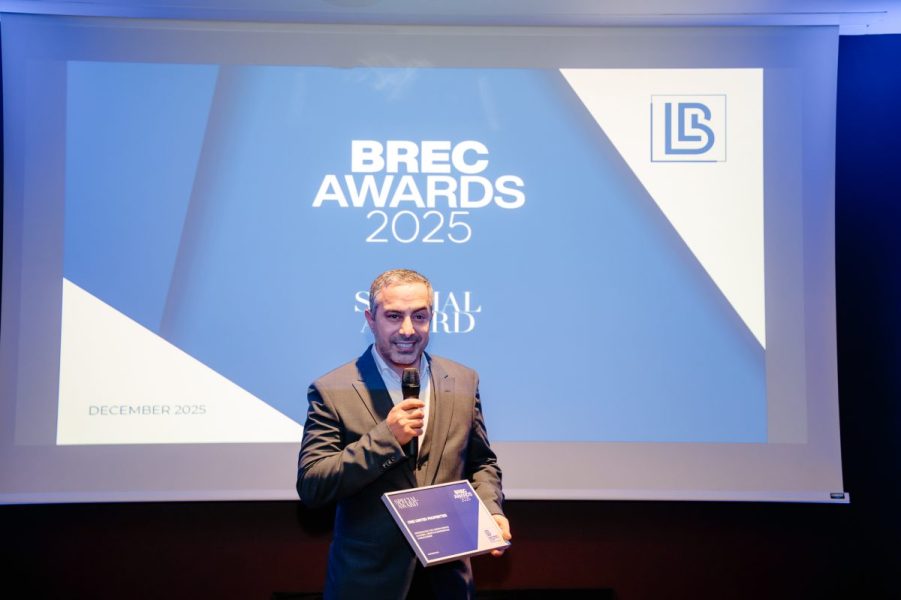
SPECIAL AWARD – ONE UNITED PROPERTIES

INTRODUCING THE HOXTON BRAND & GLOBAL LIFESTYLE EXPERIENCES IN BUCHAREST

One United Properties started its activity as a residential developer, later investing in large-scale projects with multiple functions.

At BREC AWARDS 2025 we recognize their merits for the initiative to pay attention to historical buildings and at the same time to enter a new sector – hotels. On Academiei Street, in the dowtown of ​​Bucharest, One United Properties is investing in the restoration of three historical buildings, where they will bring a new brand to Bucharest: Hoxton!

STRATEGIC INVESTMENTS AWARD – CPI PROPERTY GROUP ROMANIA

EXTRAORDINARY ACHIEVEMENT IN ASSET TRANSFORMATION – SUN PLAZA

CPI Property Group owns a significant portfolio of 590,000 sq m in Romania: 340,000 sq m of offices and 250,000 sq m of retail space in cities such as Bucharest, Cluj-Napoca, Constanța, Pitești or Baia-Mare and is constantly investing in the modernization of its properties.

In 2025, CPI Romania initiated a significant modernization process of Sun Plaza. This redevelopment includes the expansion of the Zara store as well as the relocation of the Pull&Bear store. At the same time, Sun Plaza entered a major renovation phase this spring, aimed at integrating new retail concepts, including a modernized Auchan hypermarket but also international brands.

We are granting a STRATEGIC INVESTMENTS AWARD for the significant investments in the transformation of this asset.

STRATEGIC INVESTMENTS AWARD – LION’S HEAD

EXPANDING ROMANIAN PORTFOLIO THROUGH LOGISTICS DEVELOPMENT

Lion’s Head entered the local office market with the acquisition of Oregon Park. This year, it expanded its activity in Romania and began development in the logistics sector, in the southern area of ​​Bucharest.

The new project, which requires investments of 65 million Euros, is financed by the International Finance Corporation. We are granting a STRATEGIC INVESTMENTS AWARD for the courage to invest in an extremely competitive sector.

STRATEGIC INVESTMENTS AWARD – FIA IMOBILIAR BT PROPERTY

CONSISTENT REAL ESTATE PERFORMANCE

Starting this year, FIA Imobiliar BT Property became part of INNO Investments, the newest company of the Banca Transilvania financial group, specialized in the management of alternative investment funds. INNO Investments underwent a rebranding in June 2025, the former company OTP Asset Management, acquired by Banca Transilvania in October 2024.

We are granting a STRATEGIC INVESTMENTS AWARD for consistent real estate performance.

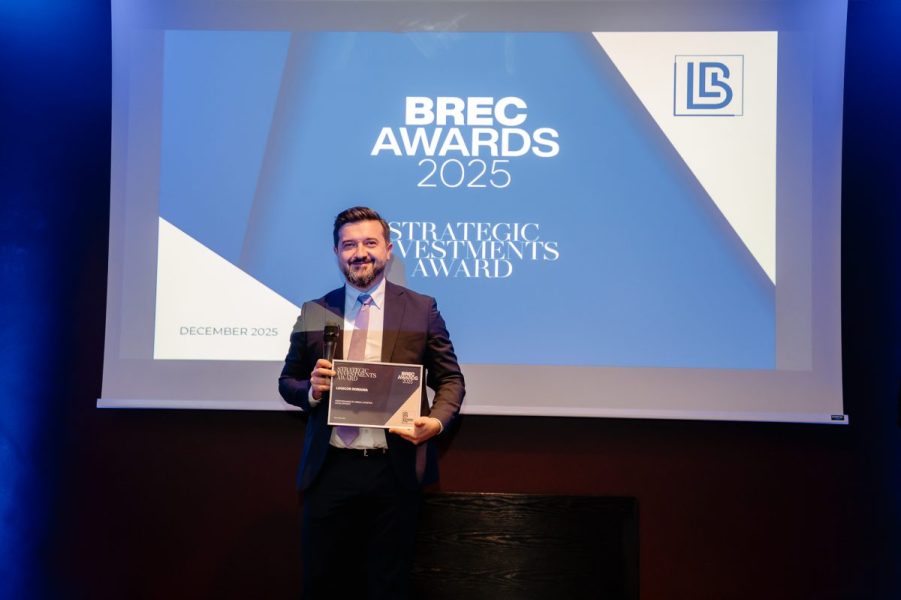
STRATEGIC INVESTMENTS AWARD – LOGICOR ROMANIA

PERFORMANCE IN URBAN LOGISTICS DEVELOPMENT

Logicor, a leading European logistics property owner, manager and developer has a portfolio of over 19 million sq m of warehouse space.

In Romania, Logicor is focused on Bucharest, where it has the largest presence, with over 250,000 sq m of a total portfolio exceeding 330,000 sq m of Class A warehouse space. The total value of Logicor’s portfolio in Romania exceeds 220 million Euros.

We are granting a STRATEGIC INVESTMENTS AWARD for performance in urban logistics development.

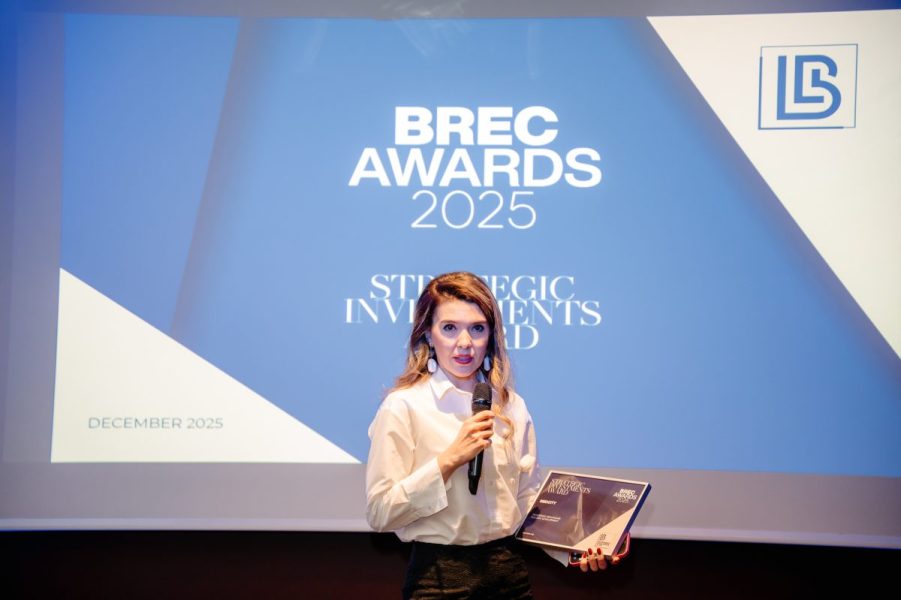
STRATEGIC INVESTMENTS AWARD – MEDCITY

PIONEERING HEALTHCARE BUILDING DEVELOPMENT

Through this STRATEGIC INVESTMENTS AWARD we recognize the merits of a company that has opened a new niche on the Romanian real estate market, namely medical buildings.

Medcity has reached 12 medical hubs in Romania, the most recent investments being in Craiova and Timisoara. We are granting them the award for the courage to pioneer the healthcare building development.

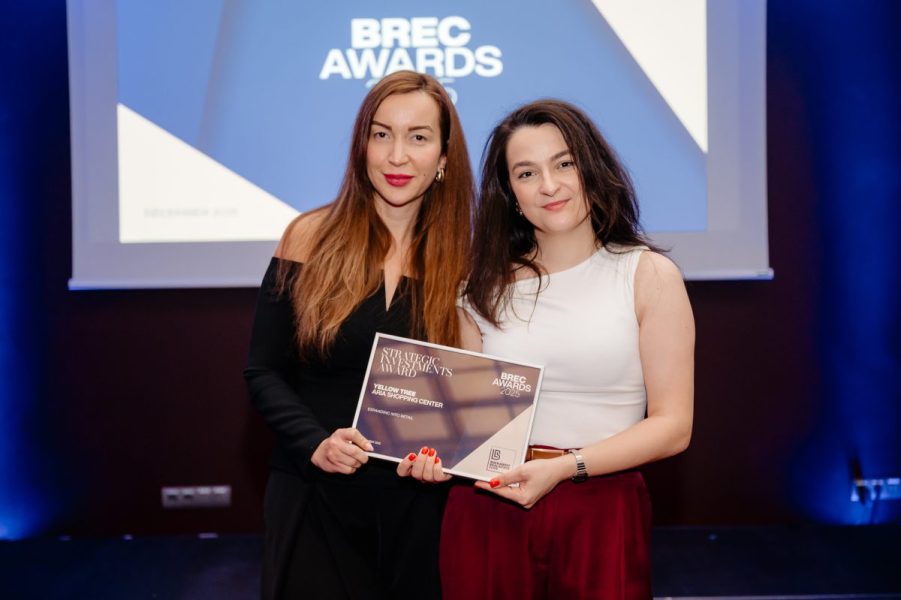
STRATEGIC INVESTMENTS AWARD – YELLOW TREE

EXPANDING INTO RETAIL – ARIA SHOPPING CENTER

Yellow Tree is a company active on the Romanian market since 2018. Today, Yellow Tree has a team of over 45 professionals specialized in all aspects of property management.

The year 2025 represented a milestone for Yellow Tree for a new beginning, starting the investment for the ARIA Shopping Center project, a new commercial concept in Sector 6, Valea Cascadelor area.

We award Yellow Tree for the decision to invest and expand in the retail sector.

STRATEGIC INVESTMENTS AWARD – META ESTATE TRUST

TRANSPARENCY & GOVERNANCE EXCELLENCE

META ESTATE TRUST is a holding company, founded in March 2021 by Romanian entrepreneurs, with experience in the real estate and capital markets. The company’s strategy is based on a mix of investment typologies with different return and risk profiles, with total assets worth 126.8 million lei as of September 2025. Listed on the AERO market of the BVB, the company has played an important role in the steps to legislate REITs and institutionalize the real estate market.

We are granting a STRATEGIC INVESTMENTS AWARD for for transparency and governance excellence.