


Fulga Dinu

Water, Energy and the Real Economics of Green Buildings

Water, Energy and the Real Economics of Green Buildings

Water, Energy and the Real Economics of Green Buildings 600 600 BUCHAREST REAL ESTATE CLUB

01.10.2026

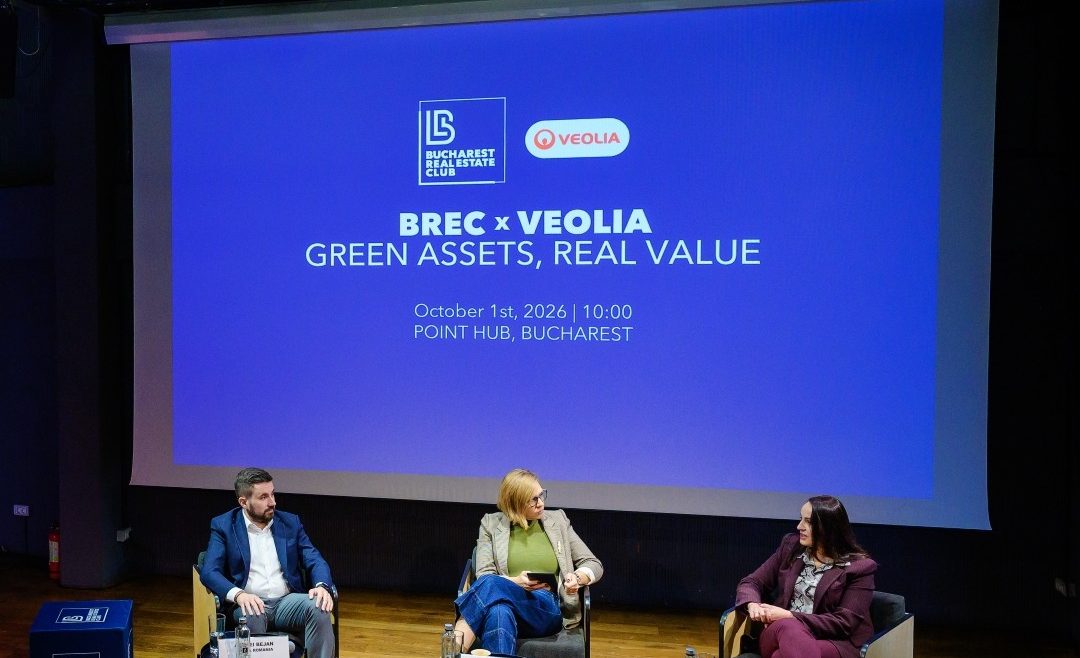
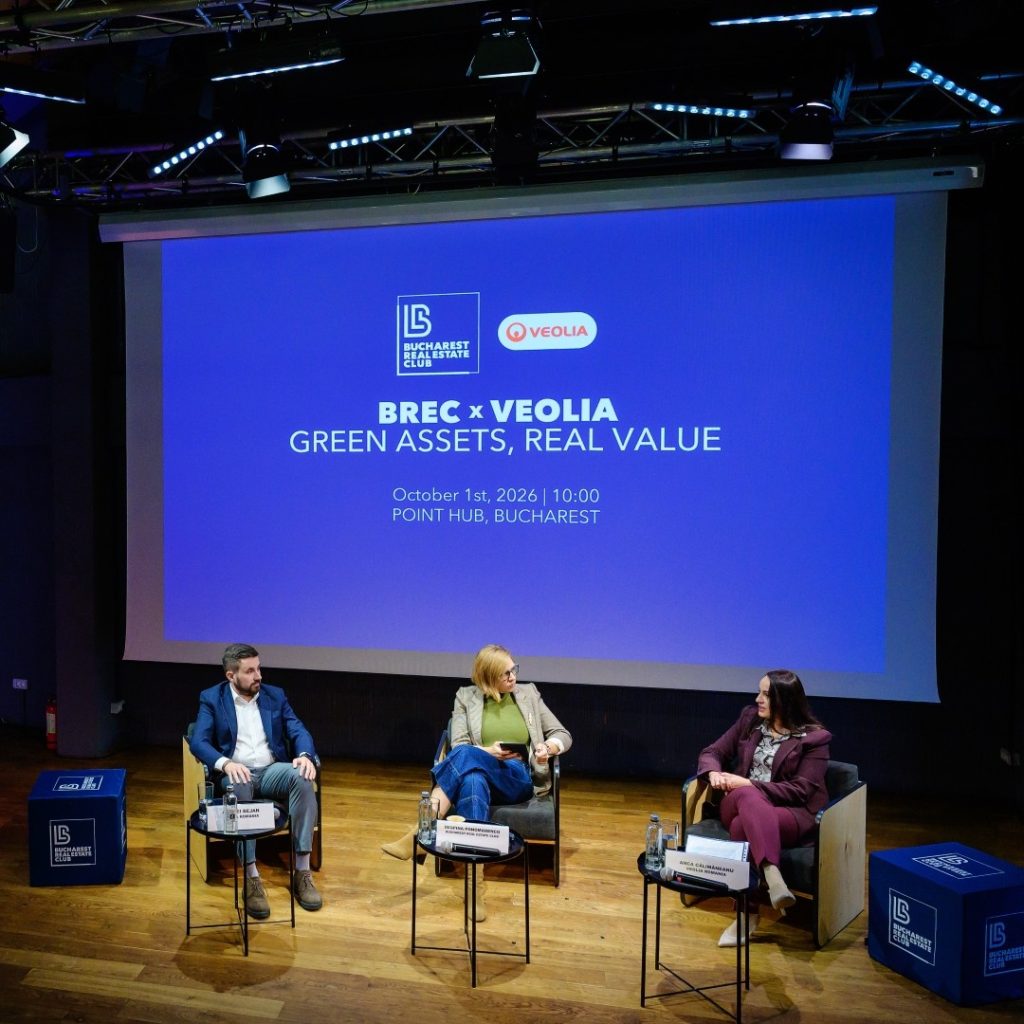
A conversation with Anca Călimăneanu (Senior Sales Manager) and Andrei Bejan (Deputy Business Development Director), Veolia România, following the first BREC × Veolia event

Veolia talks about “integrated” water and energy solutions. For a developer, what does “integrated” actually mean – and why should it matter?

Andrei Bejan: It means we stop treating water, heating, cooling and power as separate line items handled by separate suppliers and start designing them as one system from the earliest project phase. A developer who does this doesn’t just save on installation — they gain a single operational logic that stays efficient for the entire life of the building. When you plan the energy and water strategy together, the whole becomes far more than the sum of its parts: one solution’s waste can become another’s resource. That’s the essence of the circular thinking we bring to real estate.

This has been a year in which energy became the single biggest cost surprise for CEOs worldwide. What is the first thing a developer should rethink in a new project?

Anca Călimăneanu: Predictability. The instinct is to look at the upfront investment, but the real risk today sits in the next 20 or 30 years of operation, exposed to volatile energy prices. The most common mistake we see is postponing the energy decision until late in the design, when the cheapest and most effective options — like geothermal fields — are no longer feasible. Decoupling from price volatility is a decision you make on the drawing board, not after handover.

Let’s talk results. Which projects best show what these solutions deliver in practice?

Andrei Bejan: The One United Properties developments are a strong example. Across One Lake Club and One Lake District, we reach 80% of energy from renewable sources, cut costs by at least 30%, and reduce emissions by nearly 3,900 tonnes of CO₂ every year — largely by recovering heat from wastewater. At One High District, one of Romania’s most ambitious heat-pump projects, 310 geothermal probes drilled to 120 metres deliver over 6,600 MWh of renewable energy annually, under a single 30-year contract covering energy, water and facility management.

Anca Călimăneanu: And One Peninsula was a genuine first for Romania — the first residential project to use large-capacity ground-source heat pumps for simultaneous heating, cooling and hot water, cutting energy costs by up to 50% versus conventional gas-and-chiller systems.

GeoExchange is central to your offer. What makes it so adaptable across project types?

Anca Călimăneanu: GeoExchange uses the stable temperature of the ground to provide heating, cooling and domestic hot water at once. That flexibility is exactly why it fits so many contexts — residential, retail, logistics, or the mixed-use developments so common in Romania. In a mixed scheme, one building may need cooling while another needs heating, and the system simply moves that energy between them instead of wasting it. Crucially, it works not only for new builds but for existing buildings too — which matters for developers holding older assets.

Beyond geothermal, where else is there value most people overlook?

Andrei Bejan: Heat recovery is the quiet champion. Our Apa Nova Vitan building is the first project in Romania to recover energy directly from the sewage system, combined with photovoltaics — bringing costs up to 90% below classic district heating. On the power side, pairing photovoltaics with battery storage (BESS) is reshaping the economics: with negative energy prices in certain hours and shifting grid tariffs, storage lets you use your own clean energy when it’s most valuable rather than selling it back for nothing. We’ve already deployed over 400 MWp of solar and some of Romania’s largest battery systems, including a 14 MWh installation at Cetate, Dolj.

The closing question – five years from now, which of these solutions moves from “competitive differentiator” to “minimum requirement”?

Andrei Bejan: Most of them. Regulation, banks and tenants are converging on the same expectation. An energy-efficient asset already commands a premium and easier access to green financing; soon, the absence of these features will be a discount — or a deal-breaker. The developers who treat resource efficiency as core strategy today are simply building the assets that will still be financeable and leasable tomorrow.


How Mindspace Is Shaping Romania’s Flexible Office Market

How Mindspace Is Shaping Romania’s Flexible Office Market 1200 600 BUCHAREST REAL ESTATE CLUB

18.05.2026

Andreea Birladeanu, General Manager Romania, Mindspace

Mindspace operates two hubs in different areas of the capital. How do the two locations differ, and what type of tenants have you attracted?

Mindspace’s two Bucharest locations reflect two different business dynamics within the city.

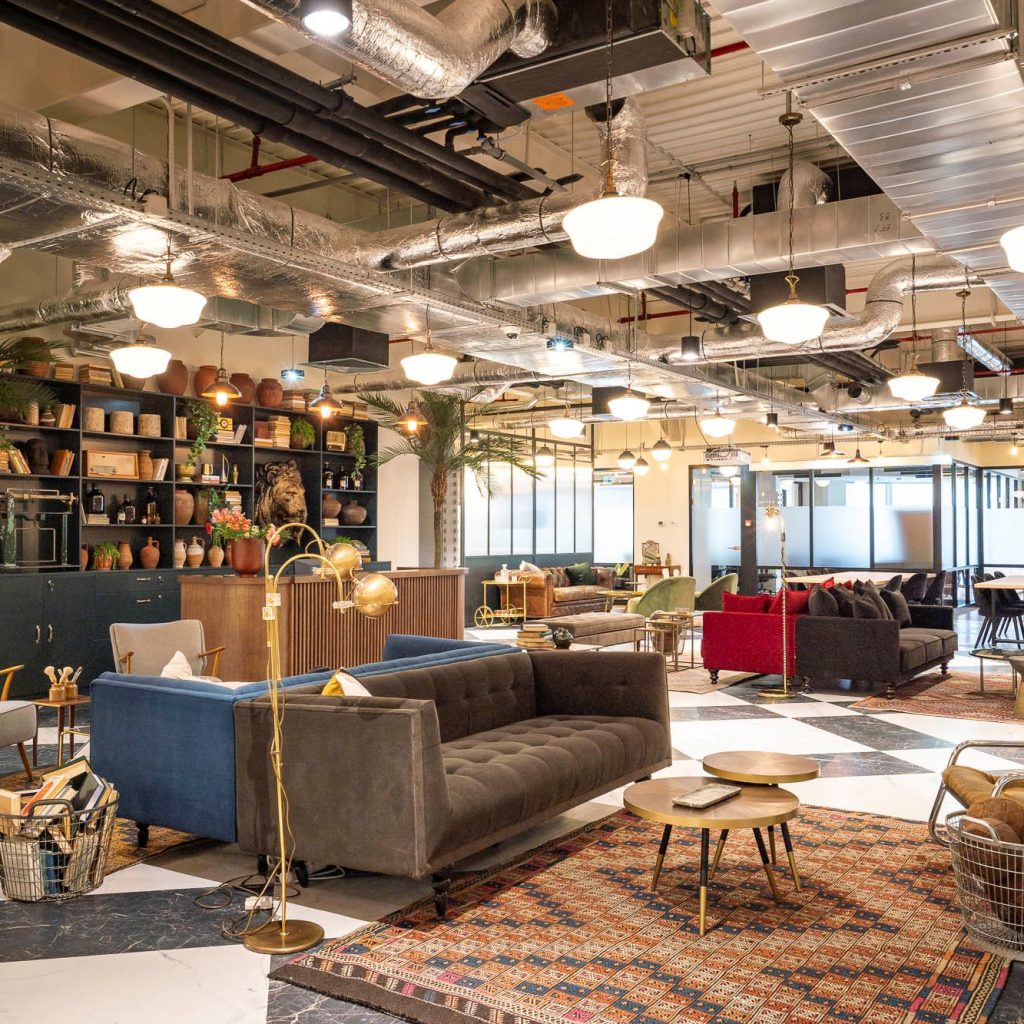
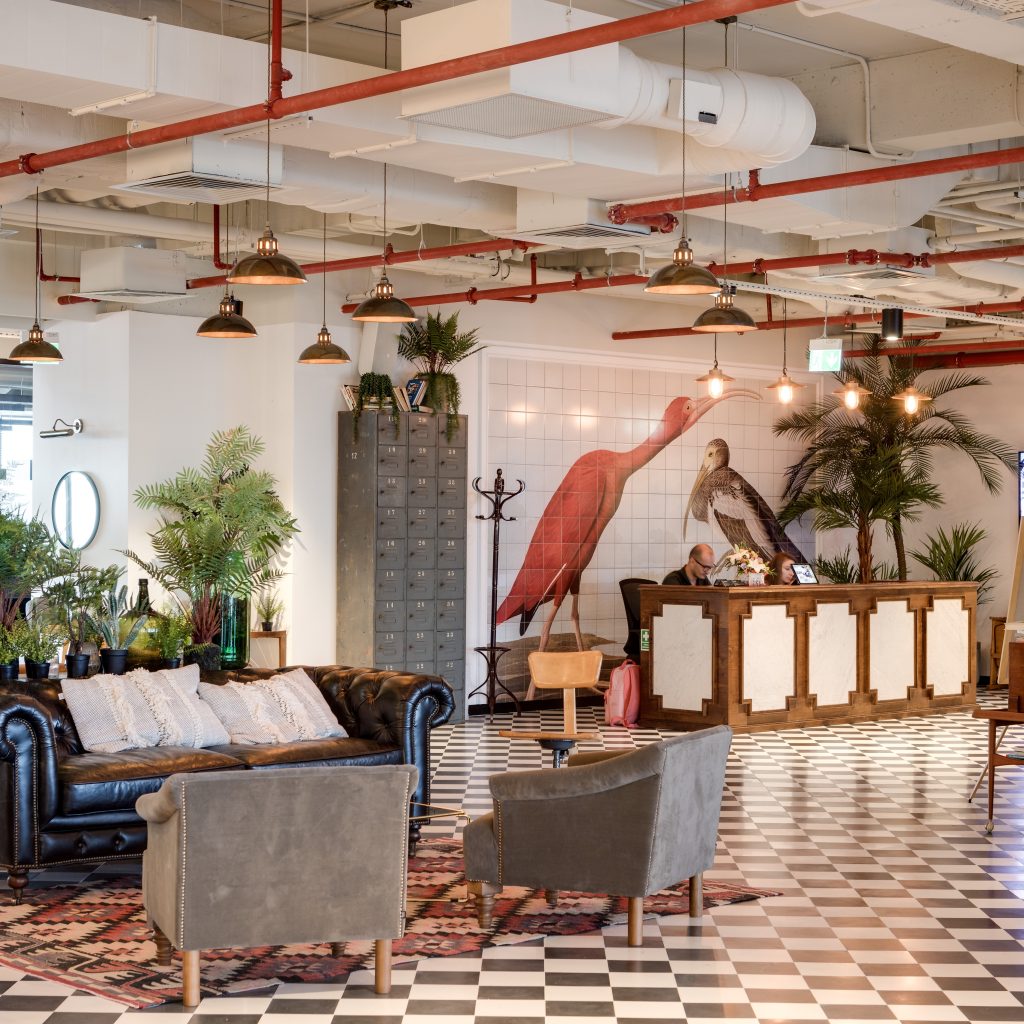
Mindspace Victoriei location, in the central Bucharest, attracts a diverse mix of international companies, professional services firms, tech teams and scale-ups seeking strong accessibility and a premium central presence. The atmosphere is energetic and business-oriented, with many companies using the space as a hub for hybrid teams and client-facing operations.

Mindspace Business District, located in one of Bucharest’s key modern office areas, appeals more strongly to established corporations, regional headquarters, and fast-growing technology companies. Tenants there tend to prioritize scalability, premium amenities, and access to modern infrastructure while still maintaining flexibility.

What’s particularly interesting in Romania is how diverse the tenant mix has become. Flexible workspaces are no longer used only by startups or freelancers. Enterprise companies, outsourcing firms, creative industries, and international businesses are increasingly using flexible office solutions as part of their long-term workplace strategy.

Can we still talk about co-working as a solution for freelancers and start-ups?

That’s where coworking started, but the Romanian market has evolved significantly.

In the early years, coworking spaces mainly served freelancers, entrepreneurs and small startups that needed affordable and flexible office solutions. Today, the market has matured. Flexible workspace has become an important solution for medium-sized businesses, international companies entering Romania and enterprise teams adapting to hybrid work.

In Bucharest especially, companies are increasingly focused on employee experience, talent retention, and flexibility. The office is no longer viewed simply as a fixed operational cost. It’s part of company culture and employer branding.

Romania’s growing tech ecosystem has also accelerated this shift. Many companies want spaces that support collaboration, creativity, and community rather than traditional static offices.

So coworking today is less about company size and more about agility and experience.

Economic and technological instability makes 10-year planning difficult for companies. Under these conditions, is flexibility becoming the “new security” for tenants?

Absolutely. In today’s environment, flexibility is increasingly seen as a form of security.

Many companies are cautious about committing to long-term leases because workforce needs, economic conditions, and technology are changing so rapidly. This is especially relevant in Romania, where businesses are balancing growth opportunities with global uncertainty.

Flexible workspaces allow companies to scale more efficiently, adapt to hybrid work models, and reduce long-term real estate risk. Instead of locking themselves into rigid structures, businesses want the ability to evolve and adapt quickly.

We’re also seeing that flexibility supports talent strategy. Employees now expect more adaptable work environments, and companies need workplace solutions that help attract and retain skilled professionals.

In many ways, agility has become more valuable than permanence.

How does Mindspace use data and artificial intelligence to optimize workspace utilization? Do you have any insights into how workplace design is changing to accommodate teams that collaborate intensively with AI tools?

Data and AI are becoming increasingly important in understanding how people use workspaces and how offices can operate more efficiently.

By analyzing occupancy trends, meeting room usage, attendance patterns and member behavior – Operators can optimize layouts, improve operational efficiency, and create more responsive environments.

AI also helps improve forecasting, energy management and personalized workplace experiences. As hybrid work becomes standard, these insights are essential for adapting spaces to real usage patterns rather than assumptions.

In terms of design, offices are evolving significantly because AI is changing how teams work. Routine individual tasks are increasingly supported by AI tools, which means the office is becoming more focused on collaboration, innovation, and interpersonal interaction.

We’re seeing demand for:

  • More collaboration zones and social spaces
  • Flexible meeting rooms with advanced hybrid capabilities
  • Quiet rooms for focused AI-assisted work
  • Better acoustics and adaptable layouts
  • Hospitality-inspired environments that encourage employees to spend meaningful time in the office

In Romania’s competitive talent market, workplace quality has become an important differentiator.

As co-working evolves into broader business ecosystems, how are operators responding in terms of the services they provide?

The role of coworking operators has expanded considerably.

Today, companies expect much more than office infrastructure. They’re looking for environments that support networking, employee wellbeing, productivity, and company culture.

Operators are responding by building full business ecosystems around the workspace experience. That includes hospitality services, curated events, wellness initiatives, networking opportunities, flexible memberships, and community-driven programming.

In Bucharest, this is particularly relevant because many businesses value opportunities for collaboration and international connectivity. Flexible workspaces can create communities where startups, scale-ups, corporates, and creatives interact organically.

We’re also seeing increased demand for:

  • Enterprise hybrid-work solutions
  • Event and meeting spaces
  • Plug-and-play offices
  • Wellness and lifestyle services
  • Community and networking programs
  • Technology-enabled workplace experiences

The overall direction is clear: coworking is evolving from a real estate product into an experience and service platform that helps companies support both business performance and employee satisfaction.

Laura Ene, iO Partners, about the new design of work 2026: “One size no longer fits all”

Laura Ene, iO Partners, about the new design of work 2026: “One size no longer fits all” 632 600 BUCHAREST REAL ESTATE CLUB

11.05.2026

Laura Ene, Senior Consultant, iO Partners

Investment Market: Signs of Recovery After a Challenging 2025

Following a 31% decline in liquidity in 2025 compared to 2024, Romania’s real estate investment market is showing the first clear signs of recovery. Last year’s slowdown largely reflected the postponement of several large-scale transactions into 2026, with the office sector leading total volumes at 40%, followed by retail at 36%. Against this backdrop, 2026 projections are optimistic: with multiple major transactions currently in advanced stages of negotiation, total investment volumes could reach approximately €900 million. Prime yields and rents remained broadly stable in Q1 2026, providing a degree of predictability for the period ahead.

Office Take-Up: Demand Softens, but the Market Rebalances

Both Bucharest and regional cities recorded declines in gross take-up in 2025 — down 23% and 27% respectively compared to 2024. The picture, however, is nuanced. In the capital, a lack of new supply kept lease renewals as the dominant transaction type, while higher-vacancy regional markets such as Timișoara saw more expansions and relocations. Prime rents remained stable across most markets, with Bucharest continuing to be the most complex, showing significant variation between assets and submarkets. Vacancy rates at national level continue to decline, signalling a gradual absorption of existing stock.

Regional Cities: Cluj and Brașov Lead the Development Pipeline

At regional level, Cluj-Napoca, Timișoara, Iași and Brașov all recorded year-on-year decreases in vacancy, with typical Class A rents ranging between €12.5 and €17 per sqm per month. While Bucharest has evolved beyond its IT-driven roots, regional cities such as Cluj and Iași remain heavily reliant on the technology sector as the primary demand catalyst. On the supply side, regional developers are proceeding cautiously, with Cluj and Brașov concentrating the majority of completions expected over the next three years.

Hybrid Working Models Are Reshaping Space Requirements

One of the most compelling sections of the iO Partners report examines the five dominant working models currently in play — ranging from Office Centric, with up to 75% maximum presence, to fully Remote, with four to five days worked from home. Companies recording office presence below 30–45% are already exploring flexible space solutions, a trend that is accelerating the adoption of flex and coworking formats. Hybrid models imply lower sharing ratios and a growing emphasis on social over individual workspaces — a shift with direct implications for how offices are configured and sized.

Flex Office: Steady Growth, Decentralisation Underway

Bucharest’s flex office stock surpassed 74,000 sqm by the end of 2025, accounting for over 2% of the total modern office stock — a meaningful threshold. Nationally, Romania now counts over 100 coworking locations, with the highest concentration in Bucharest, Brașov, Iași, Cluj and Timișoara. The emerging trend is one of decentralisation: satellite offices, regional hubs and flexible work environments that combine the benefits of remote work with professional office infrastructure. This evolution simultaneously addresses employee needs — reduced commuting, improved work-life balance — and corporate priorities, as businesses look to avoid long-term lease commitments and the high operational costs of a single central headquarters.

2026 Trends with Fulga Dinu, CPI Property Group Romania

2026 Trends with Fulga Dinu, CPI Property Group Romania 579 600 BUCHAREST REAL ESTATE CLUB

18.03.2026

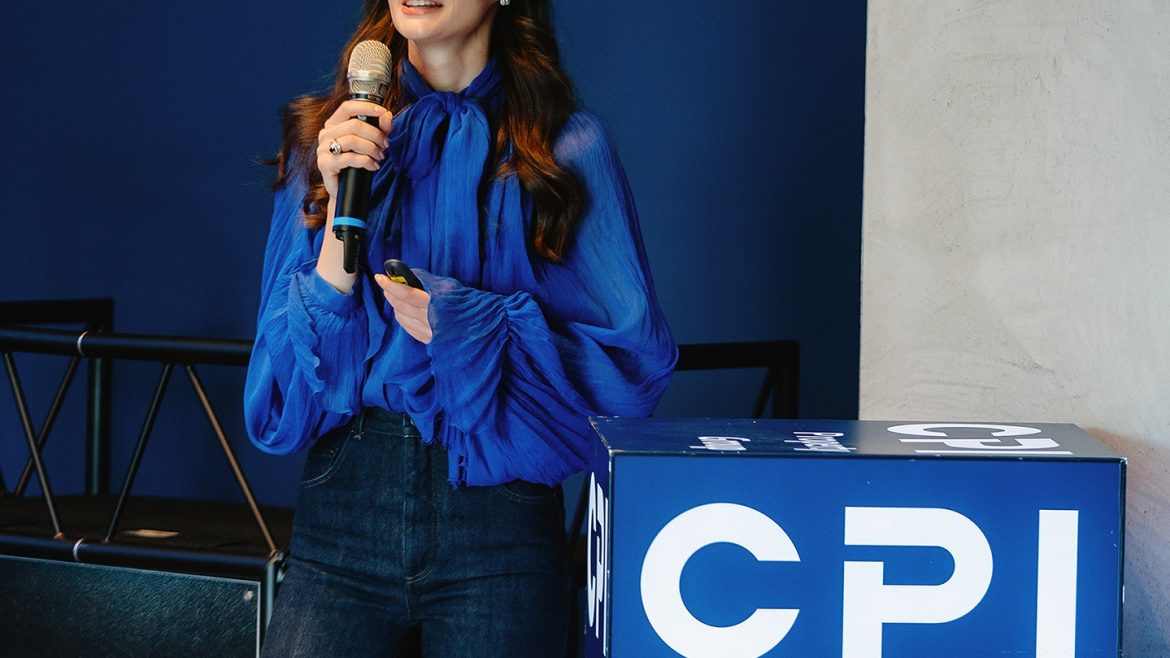
Fulga Dinu, Country Manager, CPI Property Group Romania

What are your company’s business targets and plans for 2026?

Our main priority generally is to continually increase the relevance and resilience of our portfolio.

For the retail segment, we will continue upgrading our properties in line with the ever evolving consumer behavior, the growing demand for diversified services, and the need to enhance the shopping experience. We also focus on refreshing the tenant mix in order to drive higher footfall and strengthen the long-term competitiveness of our shopping centers.

For the office segment, we are expanding our ESG-driven measures while continuing to diversify the space usage by integrating private healthcare operators alongside traditional corporate tenants. Relevant examples include Nord Hospital at myhive IRIDE | eighteen, Băneasa Tumor Hospital, recently launched by Leventer Group at myhive Victoria Park, and Regina Maria at Băneasa Airport Tower. Today, more than 10% of our office portfolio is dedicated to medical services through long-term partnerships, some exceeding 20 years.

WWhat were the main business results for 2025?

In 2025, CPI Romania delivered very strong results, particularly in the leasing activity.

Within our local office portfolio, we secured a total of 55,000 sqm of leased space. Demand remained stable, following the trend of recent years, with lease renewals exceeding new take-up. Importantly, we recorded long-term renewals, often accompanied by space expansions, as well as renewed interest and new market entries from international companies: clear signs of continued confidence in the Romanian office market despite a challenging macroeconomic environment.

In retail, our 250,000 sqm portfolio continued to strengthen following the refurbishments, the reconfigurations, and the entry of major international brands into our portfolio. Notable milestones include the opening of the first Primark in VIVO! Cluj-Napoca, the ongoing refurbishment process of Sun Plaza, which includes the reopening of Pull&Bear and Zara stores, and the announced 7.000 sqm Auchan hypermarket and a fashion hub on an area of 16.000 sqm. We also completed a remodeling and extension process of Peek & Cloppenburg in Constanța, now operating a modern 2,500 sqm format.

Overall, 2025 was a dynamic year, marked by solid leasing performance, long-term tenant commitments, and continued investment in upgrading and strengthening our retail destinations.

What do you see as the main risks for the Romanian real estate market in 2026?

One of the main risks for the Romanian real estate market in 2026 remains the lack of predictability, which continues to affect the overall business environment. Romania is a market that requires constant attention, rapid adaptability, resilience, and firm decision-making. In this context, flexibility and a deep understanding of local dynamics are essential to successfully navigate 2026.

Where do you see the most attractive opportunities for growth in 2026?

In the office segment, limited new supply and high development costs are expected to create a favorable context for landlords. In retail, although consumption may remain under pressure, due to the recently adopted financial measures, dominant schemes with strong catchment areas are likely to remain stable and continue attracting both tenants and customers.

WHO ARE THE MOST INFLUENTIAL WOMEN IN REAL ESTATE IN ROMANIA, A BREC POWERLIST

WHO ARE THE MOST INFLUENTIAL WOMEN IN REAL ESTATE IN ROMANIA, A BREC POWERLIST 740 601 BUCHAREST REAL ESTATE CLUB

Women in Real Estate: Successful Entrepreneurs, Thought Leaders, Inspirational Managers

Romania is a balanced market as regards the presence of women in entrepreneurship, management & top management roles of real estate companies. Developed during the entire month of March 2021, at its 2nd edition this year, WOMEN IN REAL ESTATE campaign by BUCHAREST REAL ESTATE CLUB acknowledged the role of women in managing and developing significant real estate businesses in Romania.

BREC LIST OF WOMEN IN TOP MANAGEMENT ROLES:

  • Fulga Dinu, Country Manager Operations, Immofinanz
  • Ana Dumitrache, CTP’s Country Head for Romania
  • Daniela Badulescu, Country Manager, S IMMO Romania
  • Anca Raducan, Country Manager, Lion’s Head Investments
  • Ema Iftimie, Head of Leasing, Globalworth
  • Beatrice Dumitrascu, CEO, Residential Division, One United Properties
  • Alexandra Popa, CFO, Element Group
  • Antoanela Comsa, President of Gran Via Real Estate Romania
  • Aurelia Luca, Executive Vice President Operations Romania & Hungary
  • Sinziana Pardhan, Managing Director Romania, P3
  • Elisabeta Bosneag, Head of Global Real Estate, UiPath

BREC LIST OF WOMEN REAL ESTATE ENTREPRENEURS AND PRIVATE INVESTORS:

  • Cristina Capitanu & Elena Oancea, Founders of Lemon Interior Design
  • Sheila Ionescu, CEO, The One
  • Alina Marulis, Founder, Oxygen Home
  • Catalina Mazerschi, Owner, Glamour Design | Diseno

BREC LIST OF WOMEN ADVISORS IN REAL ESTATE:

  • Roxana Dudau, Associate Partner & Head of Real Estate, Noerr
  • Monica Vasile, Director, Office Agency, Cushman & Wakefield Echinox
  • Alina Nica, Partner, Ionescu-Sava law firm
  • Ana Maria Nemtanu, Head of Marketing & Sales, Gran Via Real Estate

“In an atypical year as it was the case of 2020, the women`s performance in real estate management roles in Romania are the more notable. They adjusted their companies` actions and business plans according to the new reality, they negotiated, re-negotiated and signed large sales or rent transactions of the real estate assets and they even decided the start of new real estate investments, under full pandemic circumstances. As compared to the Western European countries, Romania is a particular market, with women managers being very present and visible in the real estate sector, being remunerated as such,” states Despina Ponomarenco, President of BUCHAREST REAL ESTATE CLUB.

BREC also looked in depth at the industry`s income levels. Women in top management roles (CEO, COO, CFO) may exceed net annual incomes of EUR 100.000 EUR, plus 3-5% ad-ons from the annual profit of the projects they manage („shared profits” participation). The middle management roles (Marketing Director, Commercial Director, Legal Manager) are remunerated with incomes that may exceed 50.000 EUR per year, with performance – related bonuses. For example, commercial directors in the residential segment can add to their salaries a plus of 1% of the total sales volume they coordinate. In the brokerage sector, senior department managers are remunerated with 36.000 – 55.000 EUR annually, plus commissions of 8-25% of the incomes they generate for the company.  

(14.04.2021)