smart technologies

French reinsurer SCOR signs deal with Vastint for its first office in Romania

French reinsurer SCOR signs deal with Vastint for its first office in Romania 960 447 BUCHAREST REAL ESTATE CLUB

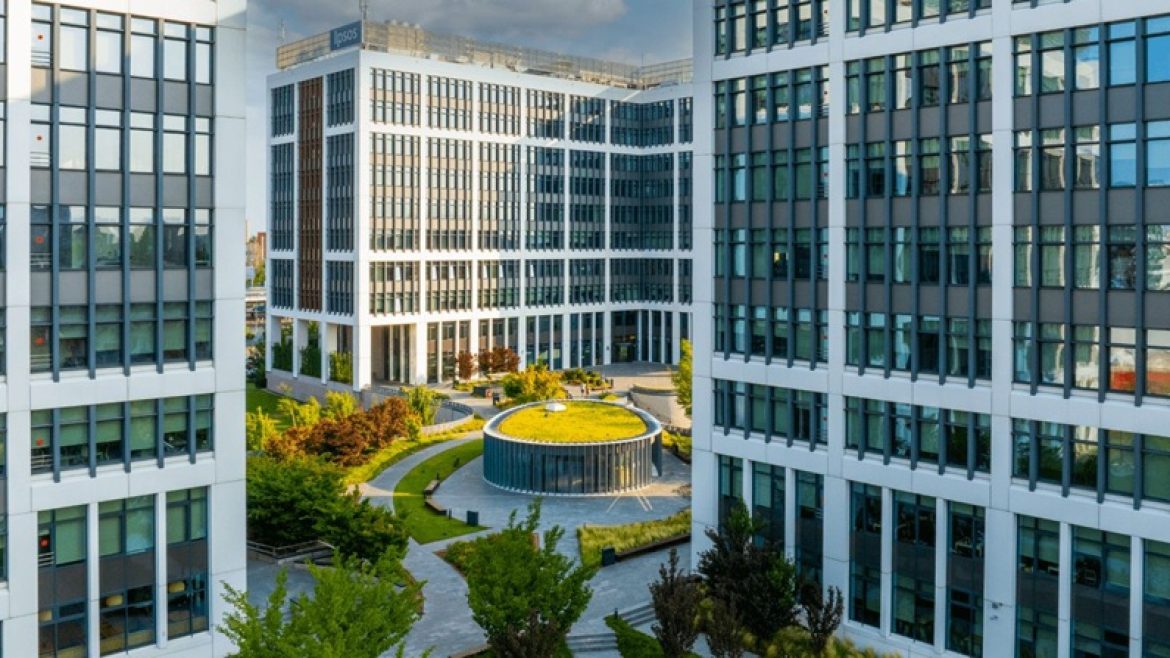
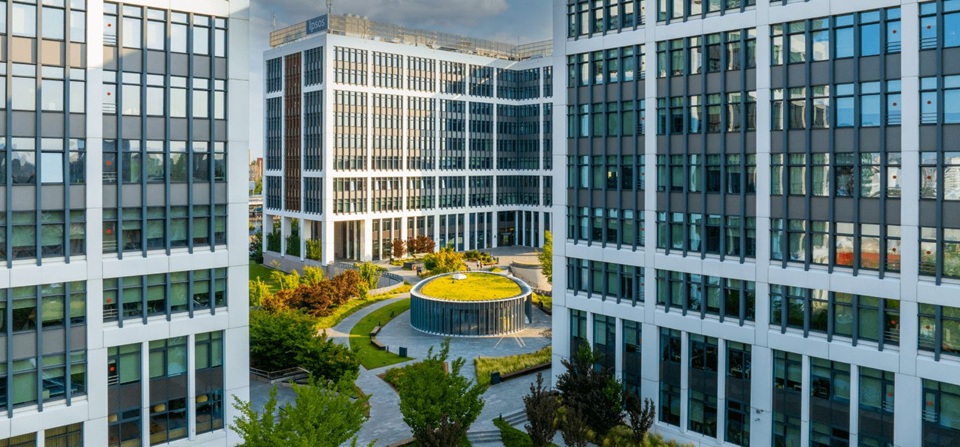
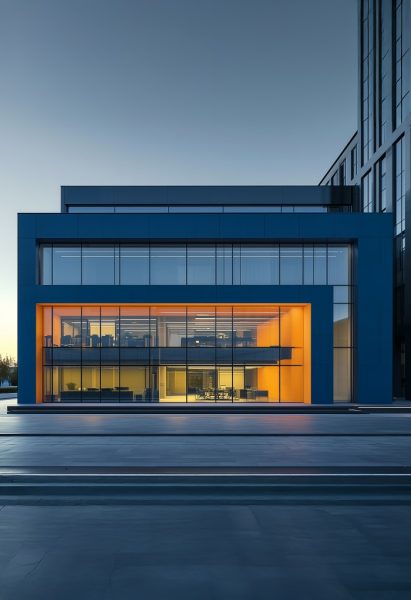
Vastint Romania, part of the VASTINT Group, announces the signing of a new leasing contract. SCOR, a leading global reinsurer who just entered the Romanian market, selected Business Garden Bucharest for its first office in Romania, where it occupies a space of 2,320 sqm.

French company SCOR offers its clients a range of reinsurance and insurance solutions and services to control and manage risk. The Group generated premiums of EUR 20.1 billion in 2024 and serves clients in more than 150 countries from its 35+ offices worldwide.

“Opening our first office in Romania is a meaningful step for SCOR and a strategic investment in our long-term capabilities. Romania stands out through its strong talent base, a fast-growing tech and data ecosystem, and a truly international, business-ready mindset. We’re excited to build our presence here and to grow a team in Bucharest that will contribute to SCOR’s broader operations and transformation agenda.”, said Andrei Romanescu, General Manager SCOR Romania.

Business Garden Bucharest, located in the Orhideea-Grozavesti area of ​​Bucharest, has a rentable area of ​​43,000 sqm and tenants such as Sparkware Technologies, Sanamed, Regina Maria, Ikea, Schindler, Tchibo, Vel Pitar, Rail Cargo, Pandora.

“We’re pleased to welcome SCOR to Business Garden Bucharest as they open their first office in Romania and begin building their local presence. Today, the office is no longer only about space – it’s about experience. That’s why ‘ecosystem’ assets are increasingly in demand: office destinations that integrate amenities, services, and community features that support attendance, retention, and tenant engagement, not just an office space. At Business Garden Bucharest, we focus on exactly this blend – creating a place that works operationally, supports culture, and helps companies attract and retain people.” declared Maria Badea, Senior Leasing Manager of Vastint Romania.

Vastint’s office portfolio will expand with the upcoming Timpuri Noi Square 2 project, set for completion in Q4 2026. This development, currently one of the few office projects under construction in Bucharest, will add 60,000 sqm (GLA) and introduce two new office buildings, effectively doubling the available office and retail space within the Timpuri Noi Square complex.

Navigating Europe’s mandatory building energy efficiency regulations

Navigating Europe’s mandatory building energy efficiency regulations 1067 600 BUCHAREST REAL ESTATE CLUB

Not long ago, energy performance was a nice-to-have. A green label on your building said something about your values, but rarely influenced whether tenants signed a lease or investors backed up your portfolio. Today, it’s a different story. Across Europe, managing energy usage is no longer just a bonus – it’s a regulatory baseline. And for the business sector, whether it’s offices, the hospitality industry or retailers, that baseline is moving fast.

The laws driving change

At the heart of this shift are two legislations from the European Union: The Energy Performance of Buildings Directive (EPBD) and the Energy Efficiency Directive (EED). Together, they form the backbone of the EU’s strategy to decarbonize one of its most emissions-heavy sectors: buildings. According to the European Commission1, buildings are responsible for 40% of the EU’s energy consumption and over one third of the EU’s energy-related GHG emissions come from buildings.

1 Source: Energy Performance of Buildings Directive

The aim of the EPBD is to achieve a fully decarbonized building stock by 2050 to contribute to the EU’s energy and climate goals. Of course, this doesn’t happen overnight and there are several steps to take in between to get there. From 2030 onwards, all newly constructed buildings must be zero-emission. For public buildings, that deadline comes even sooner: 2028. And for the vast majority of existing office stock across Europe, national governments are rolling out mandates to push renovations of the worst-performing buildings.

It doesn’t stop there. The EED adds another layer of urgency, compelling public authorities to renovate 3% of their building stock2 every year – expanding the obligation to all public buildings, including those at local and regional levels. As part of a broader energy savings target, the expectation is clear: doing nothing isn’t an option.

2 Source: Public buildings

Rethinking the building space

Reaching compliance can seem like a daunting task, but everyone in the sector should see it as an opportunity to drive transformation. It’s not just about meeting new rules, but it is an invitation to rethink how buildings should function in a world that demands more: from energy, from resources, and from the working environments we create.

And it’s not just a technical challenge, it’s also about meeting tenants’ needs. Today, they are asking more questions and corporate users are under their own pressure to make continuous progress in their net-zero roadmap. A high-performing energy label is no longer a vanity metric; it’s part of their ESG reporting and a growing factor in their leasing decisions. Buildings that don’t keep up risk falling out of favor, or off the market altogether.

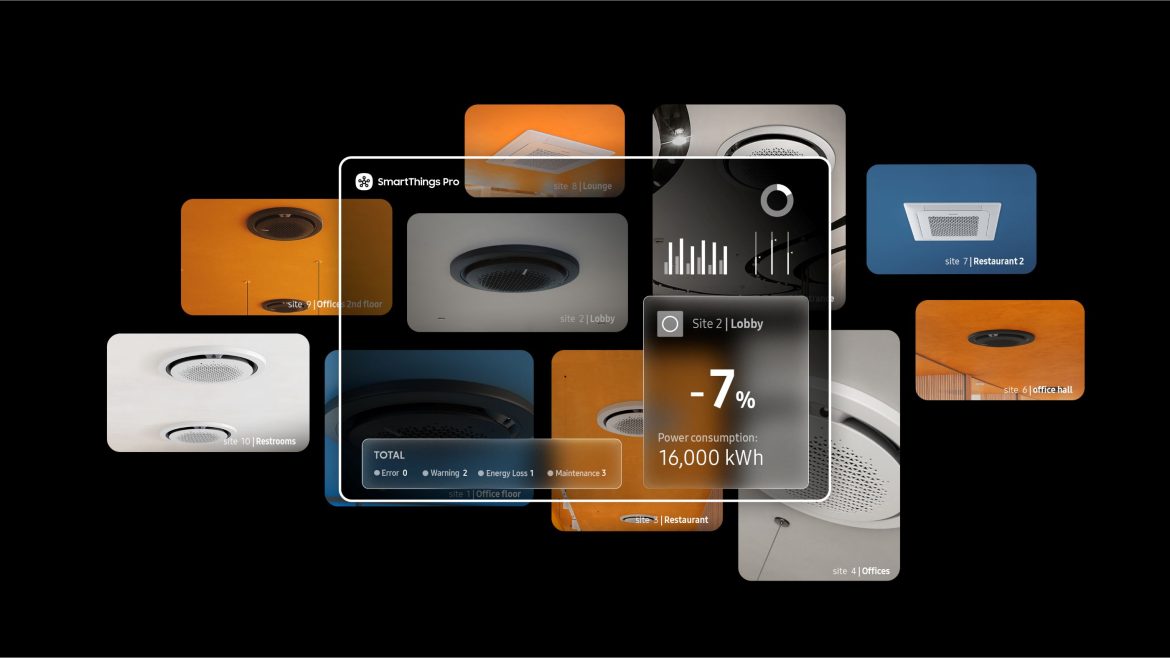
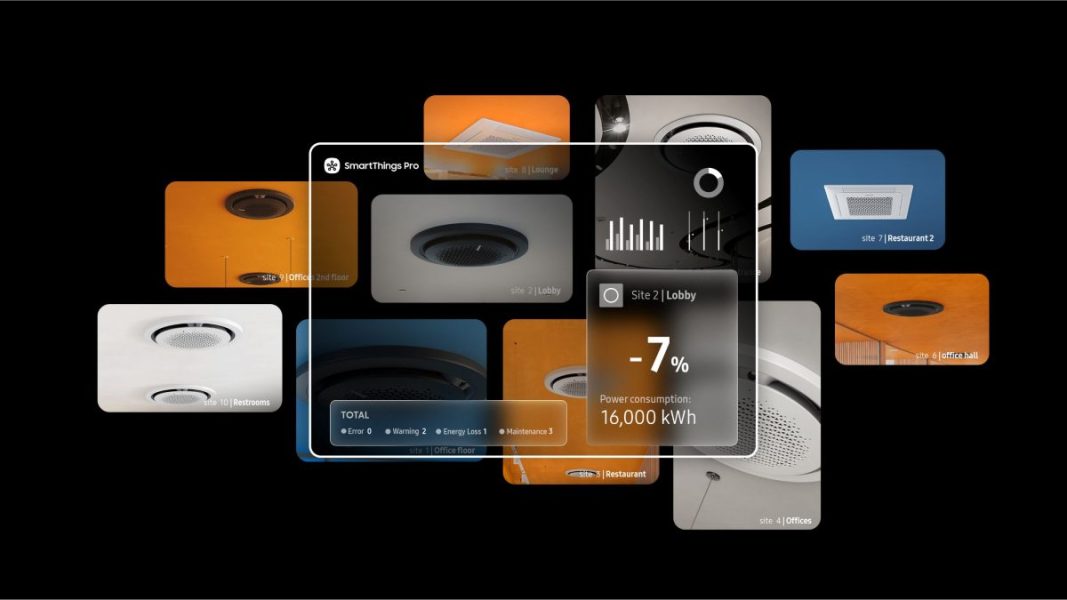
Furthermore, suppliers like Samsung Climate Solutions are continuously driving innovation to support building owners and facility managers. Not just in terms of the latest modern HVAC systems but also when it comes to smart technologies. For example, we recently introduced our SmartThings Pro software solution which enables business owners and site managers to monitor and control climate control devices in commercial buildings. Its user-friendly interface lets users check the status of various IoT devices across different locations3. The dashboard is equipped to improve the efficiency of managing additional facility equipment with device status checks and remote-control options. This will help owners and managers enhance the tenant experience and improve the long-term value of their portfolios.

3 Is only available with SmartThings Pro Advanced License model codes: HD-DASHBDST1A1 and HD-DASHBDST2A1.

The retrofit reality

Of course, not every building is easily upgraded and the reality is more complex. Did you know that 85% of buildings in Europe were built before 2000 and amongst those, 75% have a poor energy performance? Emphasizing that action is needed. However, the fact is that Europe’s office landscape is filled with aging, space-constrained, or architecturally protected structures where a full revision isn’t always straightforward.

Compact systems which are optimized for energy efficiency4 – like Samsung’s HVM Chiller systems – offer a modular concept, allowing building owners to connect up to 16 outdoor units to meet their needs. Since they have a compact and lightweight design, it’s possible to combine and install multiple units even when space is limited. And its flash injection technology and a highly efficient heat exchanger increase the heating performance during heating mode in low ambient conditions. Helping building owners make critical upgrades to their buildings.

4 HVM Chiller outdoor units have a SEER (Nominal Cooling) of 5.7 and SCOP (Nominal Heating) of 4.3. Tested based on the AG042 model at test conditions: Water 35 without pump input. Results may vary depending on environmental factors and individual use.

Leading by example

There is a lot of work to be done, but this transition isn’t fully uncharted territory. Across Europe and Asia, forward-looking building owners have already embraced integrated systems that connect climate solutions with smart building management. By combining modular retrofits with integrated climate platforms, they’re proving that transformation is not only feasible — it’s happening now.

One of the examples is the Warsaw Hub, a multifunctional office complex in Warsaw, Poland, combining office spaces, collaboration hubs, and hotels. Two connected towers, standing at 130m and 86m respectively, house advanced building management systems, including Samsung’s DVM S Water for centralized cooling. A total of 2,101 indoor units have been installed throughout the building, ensuring seamless integration with a variety of systems. Samsung’s b.IoT solution was used here to enable monitoring and control of the HVAC systems, optimizing energy use and providing ease of operation. Samsung’s cutting-edge algorithm-driven system meets the demands of large-scale centralized AC systems.

This is just one example, but there are countless more to show others have paved the way and you don’t have to reinvent the wheel. Besides, it’s important to keep the benefits in mind: buildings with optimized climate solutions are more comfortable to work in, easier to lease, and increasingly attractive to tenants with their own corporate responsibility goals. They suffer less downtime, and send a clear message to the market: we are ready for the future.

A structural shift, not a passing trend

The regulatory shift currently sweeping through Europe is not a passing storm. It’s a structural transformation of the built environment, and it’s moving faster than many expected. But amid the pressure lies an enormous opportunity. For those ready to invest, adapt, and lead, this moment can mark the beginning of a modern and more resilient office portfolio.

The heat is on: Working on the future of home comfort

The heat is on: Working on the future of home comfort 900 600 BUCHAREST REAL ESTATE CLUB

A recent report by the European Heat Pump Association (EHPA) underscored this shift: Europe faces a growing “cooling gap” – a mismatch between rising demand for cooling and the infrastructure currently in place to deliver it. As temperatures climb and energy regulations tighten, both the HVAC industry and homeowners are being urged to adapt. But adaptation isn’t only a matter of comfort – it’s also one of climate responsibility.

This is where innovation comes into play. For forward-thinking manufacturers and solution providers, the challenge of smart heating and cooling solutions is becoming a catalyst for progress. Residential solutions – especially heat pumps and air conditioners – play an important role in achieving EU’s decarbonization goals. And with new legislation coming into effect, the time to act is now. (source: www:climate.ec.europa.eu)

The role of regulation – A catalyst for cleaner solutions

In March 2024, the EU’s revised F-gas Regulation (EU) 2024/573 came into effect, aiming to control the emissions of F-gases used as refrigerants to reduce their impact on global warming. The revision brings new rules, including future bans on certain types of f-gases in products and a quota system to limit the total amount of f-gases placed on the market in Europe. Due to these changes, the industry will, in the coming years, invest in new technologies to use refrigerants with lower Global Warming Potential (GWP).

“Samsung is contributing to the F-gas Quota transition towards lower GWP refrigerants, such as R32 and R290, and will continue to invest in alternatives,” says Roxana Răducanu, Head of Division at Samsung Climate Solutions, for Romania and Bulgaria. “A striking example of our dedication to designing advanced heating and cooling systems that adapt to the evolving industry needs are Samsung’s DVM and the EHS indoor and outdoor units. By introducing these new products, Samsung is positioned to comply with future European regulations and support the goals of the European ‘Fit for 55’ package and the targets set under the Montreal Protocol.”

To zoom in a bit further, Samsung recently introduced the DVM S Mini R32 outdoor unit. The unit is equipped with R32 refrigerant, which has a lower Global Warming Potential (GWP) compared to the previous refrigerant R410A. The EHS Mono R290 takes it one step further with the R290 refrigerant having an even lower GWP, without requiring additional investments to improve the thermal isolation.

Seamless setup, quiet operation, aesthetic appeal

Attention is paid to both homeowners and installers as the units are in general easy to handle as well as simple to install, service and maintain. For example, the EHS Mono R290 has a side-panel for easy access to internal components, which helps to save time during installation, maintenance and servicing procedures. Moreover, the DVM S Mini R32 integrates the latest technologies like IoT and several AI functionalities. Supporting streamlined installations, optimized energy monitoring, all while maintaining a comprehensive oversight of integrated systems.

That’s not all, most of the systems are also known for their quiet operation. The DVM S Mini R32 includes Silent Mode, a sound absorbing technology to reduce noise distractions. Also, Samsung’s EHS Mono HT Quiet and the EHS Mono R290 operate at noise levels as low as 35 dB(A) sound pressure using a 4-step Quiet Mode. These heat pump’s outdoor units feature a double-layered, sound insulation system fitted with a patented Groove Grid Felt design, which effectively blocks and absorbs noise produced by compression parts and vibrations.

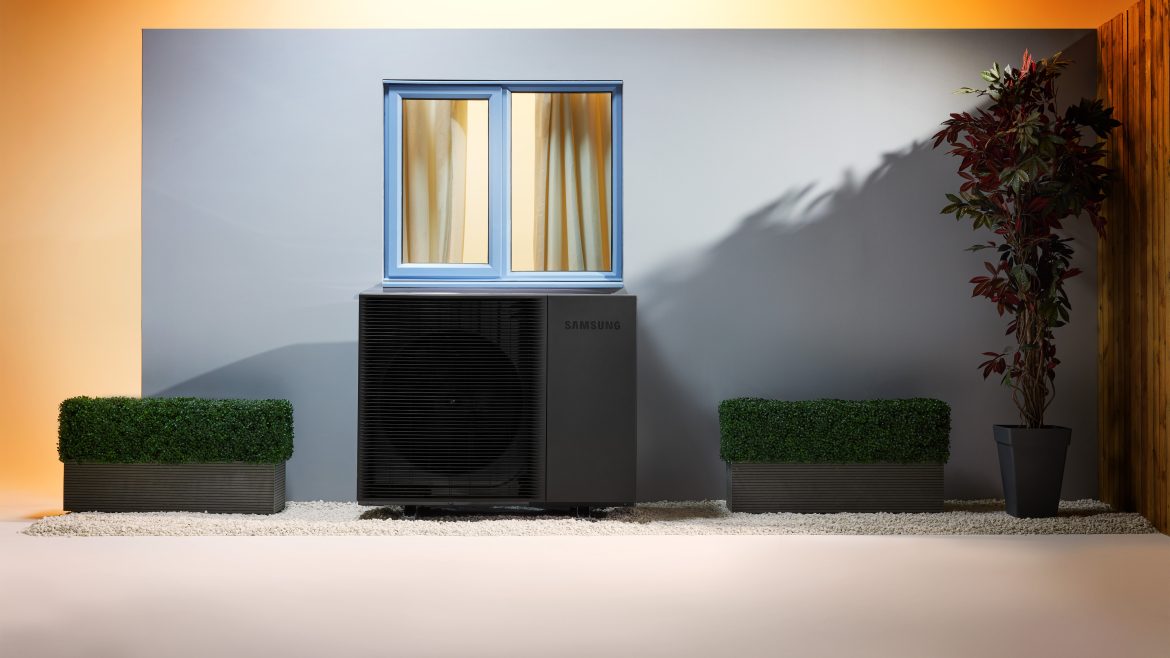
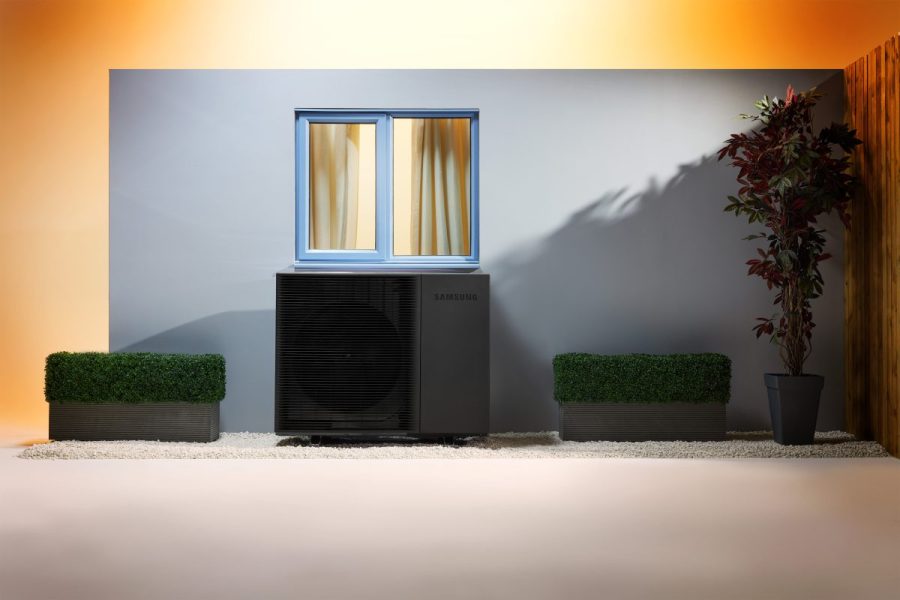
Of course, appearance does matter as well, and design plays an important role within Samsung. The EHS Mono R290 and the EHS Mono HT Quiet seamlessly blend into any building’s exterior and are available in a dark grey color which complements the current trend of modern building exteriors. The EHS Mono HT Quiet even received an iF Design award during ISH (2025).

Recently, two new additions to the EHS heat pump line-up have been revealed: the EHS ClimateHub and EHS Hydro Unit, solutions for heating and domestic hot water for residential homes. Both with a compact design, making them an easy fit for a variety of spaces, and its greige color is modern, blending in well in most household interiors.

Compatibility, usability and optimized energy control

The EHS ClimateHub and Hydro Unit can be connected to Samsung outdoor units, always creating the right fit for different residential needs. Both ClimateHub and Hydro Unit connected to the EHS outdoor units offer improved dependability for heating and domestic hot water requirements. On top of that, the renewed ClimateHub could improve energy efficiency compared to previous models due to the increase of the overall heat transfer area by 23% and the domestic hot water efficiency has increased from 115% to 148%, due to the triple insulation – a welcome benefit for users.

In addition to improved dependability, the ClimateHub and Hydro Unit also offer improved interaction. Firstly, AI Home features a user-friendly interface, that supports multiple languages and presents information through the intuitive layout on the 7″ display. Users can scan a QR-code to download and open the user manual in several languages on their smartphone.

AI Home offers users a sophisticated smart home control experience with real-time updates on energy usage on the detachable 7″ display. Schedules can be easily adapted, and temperatures adjusted to suit outside weather conditions.

Advanced technologies for a comfortable home

For optimal home comfort, but also out of necessity due to rising temperatures, keeping homes and buildings cool becomes more and more important. That is why air conditioning is an essential feature of any well-equipped, comfortable home. The 2025 line-up of Samsung residential air conditioners has recently been revealed. The line-up incorporates advanced technologies to cater to the diverse needs of modern living and improves indoor air quality.

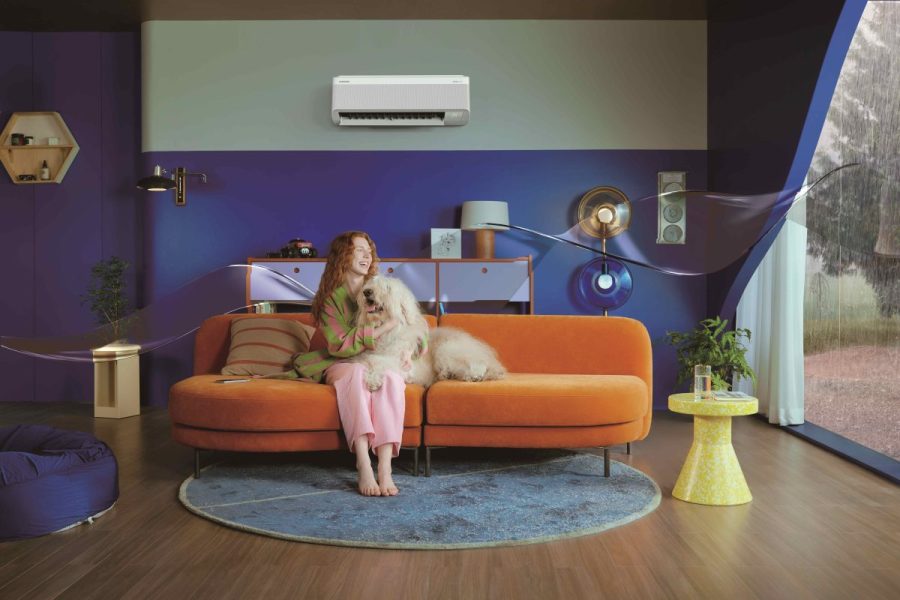
One of the top-selling models is the Samsung WindFree™. The WindFree™ Cooling mode helps to keep the room comfortably cool as it cools gently and quietly. It disperses air through 23,000 micro-holes preventing cold drafts. This results in a ‘Still Air’ environment with a low air speed and limited noise. The advanced airflow structure of this mode evenly cools wider and larger areas.

With the SmartThings App, users can adjust and control their air conditioner even when they are not at home. By activating the app on a smart device, users can turn the air conditioner on or off, select the cooling mode, schedule their air conditioner’s operation and monitor power consumption.

The line-up is further equipped with AI Auto Comfort, introducing residents to the experience of intelligent climate control. To simplify climate control, it automatically optimizes the various modes by analyzing room conditions and usage patterns. Based on the user’s preferred indoor temperature, the unit automatically switches to the most appropriate cooling and heating mode to maintain optimal and comfortable room conditions. This includes WindFree™, Fast and Normal Cooling. The product is compatible with Bixby 2.0, allowing users to give voice commands to adjust indoor conditions accordingly.