




12.02.2026
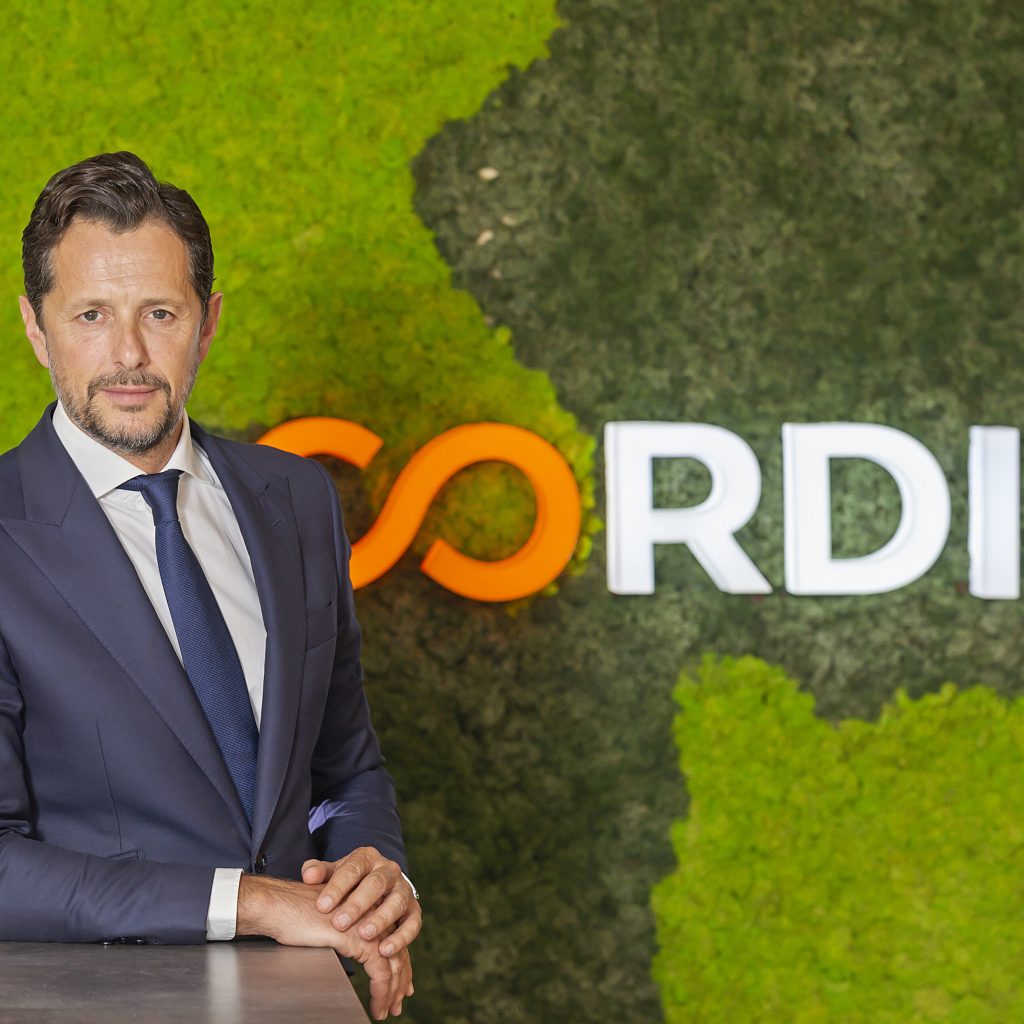
What were the main business results for 2025?
In 2025, at group level, Cordia delivered growth, while in Romania our year was best described as realignment, adapting to an increased fiscal and regulatory uncertainty. A key milestone was securing a strategically located, central site in Bucharest, near Bucharest Mall and close to Alba Iulia Square, and moving into execution. Construction has already started at Centropolitan, our 274-apartment premium residential flagship project, which anchors our next development cycle in Romania.
What are the company’s business targets and plans for 2026?
Our main objective for 2026 is to regain momentum and strengthen Cordia’s presence in Romania by delivering our plans and initiating a new development cycle in Bucharest. Practically, this means advancing construction milestones for Centropolitan, positioning it as a benchmark for premium, community-oriented living in a central location, while continuing to support healthy urban regeneration and sustainable communities.
In parallel, we will keep disciplined planning and rigorous risk management as predictability remains critical for avoiding supply gaps and sharp price increases for end-users.
What economic pressures (e.g., inflation, interest rates, work force issues) or regulatory and fiscal changes do you anticipate impacting the market in 2026, and how is your company preparing for them?
We expect 2026 to continue testing the market under combined pressure from fiscal constraints, restrictive financing conditions and persistent cost inflation, alongside regional geopolitical uncertainty. On the regulatory side, new rules shaping the residential buying process will directly affect sales structuring and buyer protection mechanisms. We are preparing through scenario-based planning, strict financial discipline, tighter cost control and procurement planning, design and execution optimization for cost-efficiency and durability, and compliance readiness via internal legal/procedural reviews, stronger documentation flows to buyers and reinforced governance and internal controls.
What do you see as the main risks for the Romanian real estate market in 2026? Where do you see the most attractive opportunities for growth in 2026?
The main risks are prolonged fiscal and regulatory unpredictability, tight financing and cost pressure, which can delay investment decisions and create housing supply gaps, ultimately pushing prices higher and limiting access to quality homes. The strongest opportunities are in well-positioned, well-designed projects with solid fundamentals, especially those delivering real urban value through central locations, integrated functions, and a community-first approach aligned with how residents increasingly want to live and work in the city.
Which players or strategies are going to be winners in 2026?
Winners in 2026 will be the players delivering consistently and differentiating through quality, concept and reliability, not just price. Strategies that will stand out include productivity gains through digitalization, tighter supply-chain partnerships, smart standardization. Just as importantly, companies that embrace transparent, client-protective practices will benefit from higher trust in a market where buyers are increasingly attentive to certainty and safeguards.