



18.05.2026
Mindspace operates two hubs in different areas of the capital. How do the two locations differ, and what type of tenants have you attracted?
Mindspace’s two Bucharest locations reflect two different business dynamics within the city.
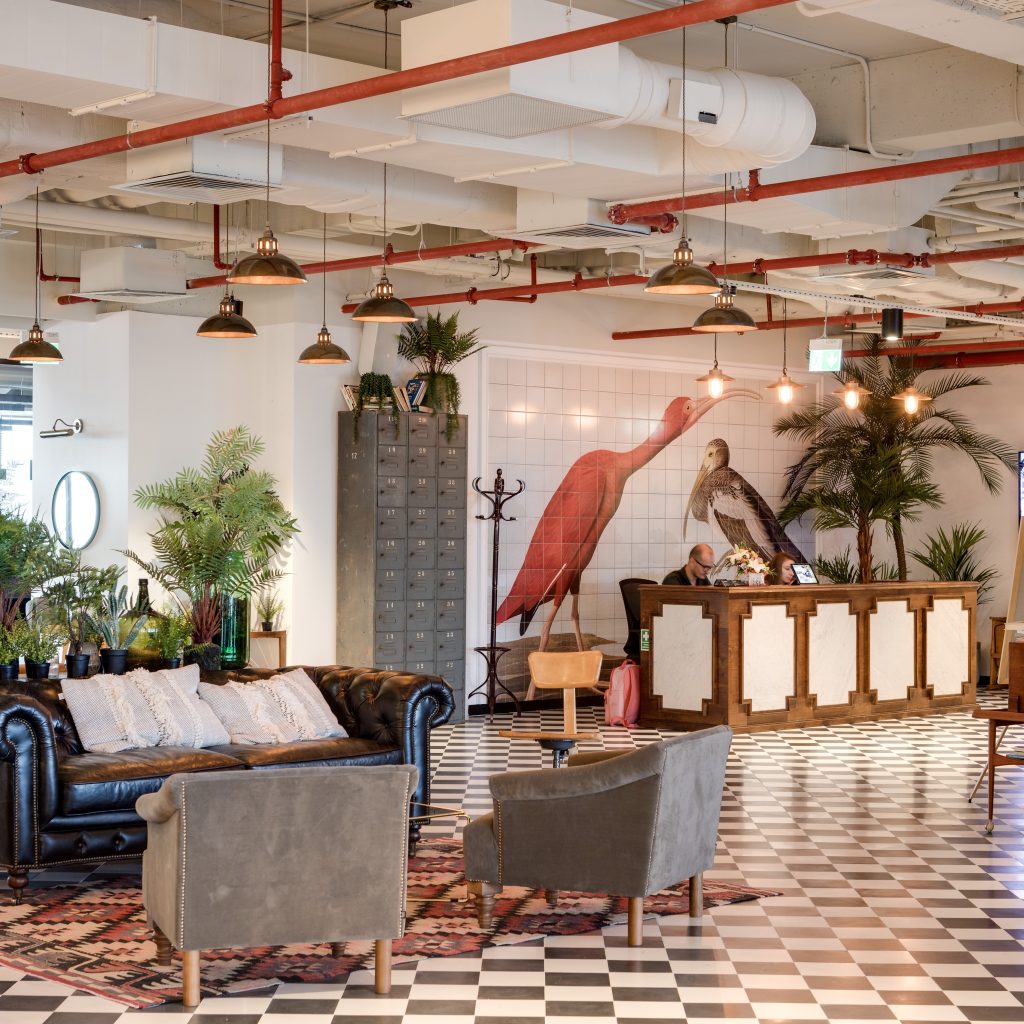
Mindspace Victoriei location, in the central Bucharest, attracts a diverse mix of international companies, professional services firms, tech teams and scale-ups seeking strong accessibility and a premium central presence. The atmosphere is energetic and business-oriented, with many companies using the space as a hub for hybrid teams and client-facing operations.
Mindspace Business District, located in one of Bucharest’s key modern office areas, appeals more strongly to established corporations, regional headquarters, and fast-growing technology companies. Tenants there tend to prioritize scalability, premium amenities, and access to modern infrastructure while still maintaining flexibility.
What’s particularly interesting in Romania is how diverse the tenant mix has become. Flexible workspaces are no longer used only by startups or freelancers. Enterprise companies, outsourcing firms, creative industries, and international businesses are increasingly using flexible office solutions as part of their long-term workplace strategy.
Can we still talk about co-working as a solution for freelancers and start-ups?
That’s where coworking started, but the Romanian market has evolved significantly.
In the early years, coworking spaces mainly served freelancers, entrepreneurs and small startups that needed affordable and flexible office solutions. Today, the market has matured. Flexible workspace has become an important solution for medium-sized businesses, international companies entering Romania and enterprise teams adapting to hybrid work.
In Bucharest especially, companies are increasingly focused on employee experience, talent retention, and flexibility. The office is no longer viewed simply as a fixed operational cost. It’s part of company culture and employer branding.
Romania’s growing tech ecosystem has also accelerated this shift. Many companies want spaces that support collaboration, creativity, and community rather than traditional static offices.
So coworking today is less about company size and more about agility and experience.
Economic and technological instability makes 10-year planning difficult for companies. Under these conditions, is flexibility becoming the “new security” for tenants?
Absolutely. In today’s environment, flexibility is increasingly seen as a form of security.
Many companies are cautious about committing to long-term leases because workforce needs, economic conditions, and technology are changing so rapidly. This is especially relevant in Romania, where businesses are balancing growth opportunities with global uncertainty.
Flexible workspaces allow companies to scale more efficiently, adapt to hybrid work models, and reduce long-term real estate risk. Instead of locking themselves into rigid structures, businesses want the ability to evolve and adapt quickly.
We’re also seeing that flexibility supports talent strategy. Employees now expect more adaptable work environments, and companies need workplace solutions that help attract and retain skilled professionals.
In many ways, agility has become more valuable than permanence.
How does Mindspace use data and artificial intelligence to optimize workspace utilization? Do you have any insights into how workplace design is changing to accommodate teams that collaborate intensively with AI tools?
Data and AI are becoming increasingly important in understanding how people use workspaces and how offices can operate more efficiently.
By analyzing occupancy trends, meeting room usage, attendance patterns and member behavior – Operators can optimize layouts, improve operational efficiency, and create more responsive environments.
AI also helps improve forecasting, energy management and personalized workplace experiences. As hybrid work becomes standard, these insights are essential for adapting spaces to real usage patterns rather than assumptions.
In terms of design, offices are evolving significantly because AI is changing how teams work. Routine individual tasks are increasingly supported by AI tools, which means the office is becoming more focused on collaboration, innovation, and interpersonal interaction.
We’re seeing demand for:
- More collaboration zones and social spaces
- Flexible meeting rooms with advanced hybrid capabilities
- Quiet rooms for focused AI-assisted work
- Better acoustics and adaptable layouts
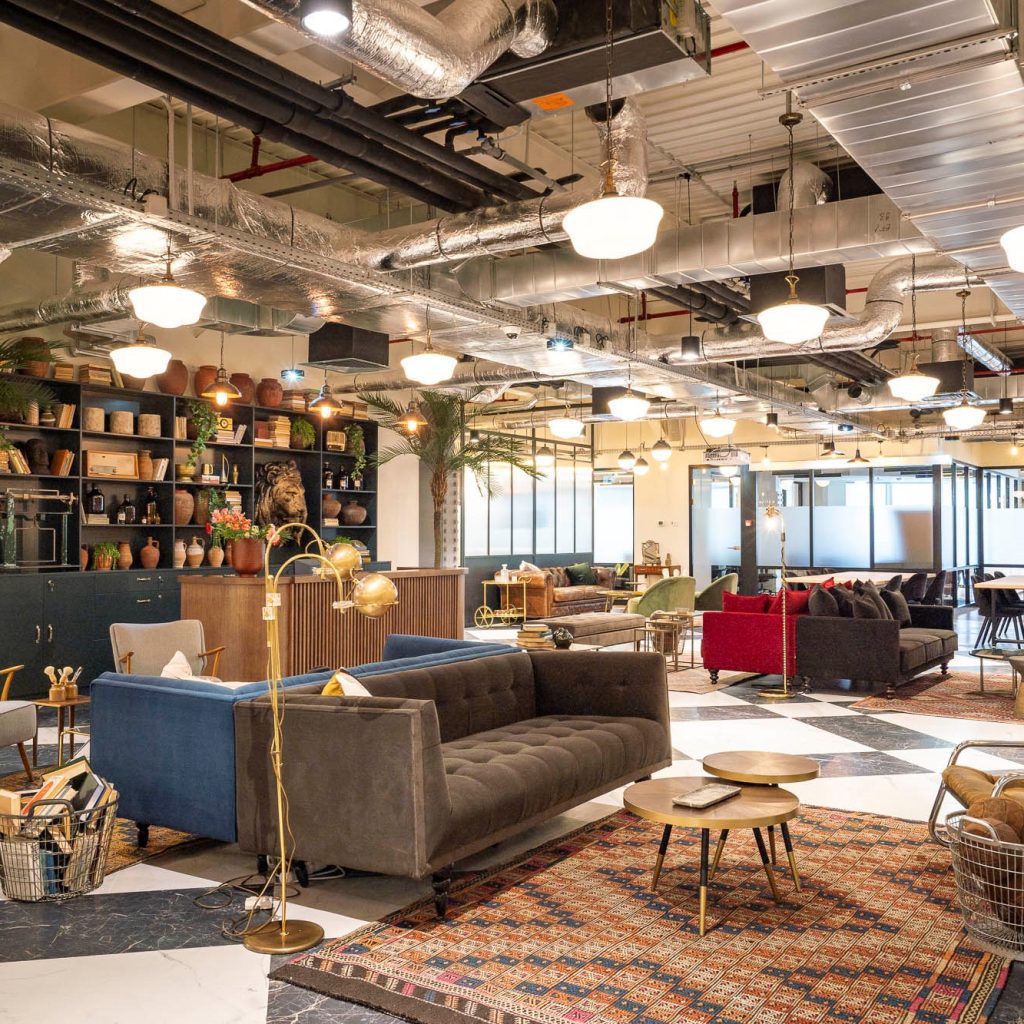
- Hospitality-inspired environments that encourage employees to spend meaningful time in the office
In Romania’s competitive talent market, workplace quality has become an important differentiator.
As co-working evolves into broader business ecosystems, how are operators responding in terms of the services they provide?
The role of coworking operators has expanded considerably.
Today, companies expect much more than office infrastructure. They’re looking for environments that support networking, employee wellbeing, productivity, and company culture.
Operators are responding by building full business ecosystems around the workspace experience. That includes hospitality services, curated events, wellness initiatives, networking opportunities, flexible memberships, and community-driven programming.
In Bucharest, this is particularly relevant because many businesses value opportunities for collaboration and international connectivity. Flexible workspaces can create communities where startups, scale-ups, corporates, and creatives interact organically.
We’re also seeing increased demand for:
- Enterprise hybrid-work solutions
- Event and meeting spaces
- Plug-and-play offices
- Wellness and lifestyle services
- Community and networking programs
- Technology-enabled workplace experiences
The overall direction is clear: coworking is evolving from a real estate product into an experience and service platform that helps companies support both business performance and employee satisfaction.