


In the Spotlight

In the Spotlight

2026 Trends with Valer Hancaș, Kaufland România

2026 Trends with Valer Hancaș, Kaufland România 400 600 BUCHAREST REAL ESTATE CLUB

09.02.2026

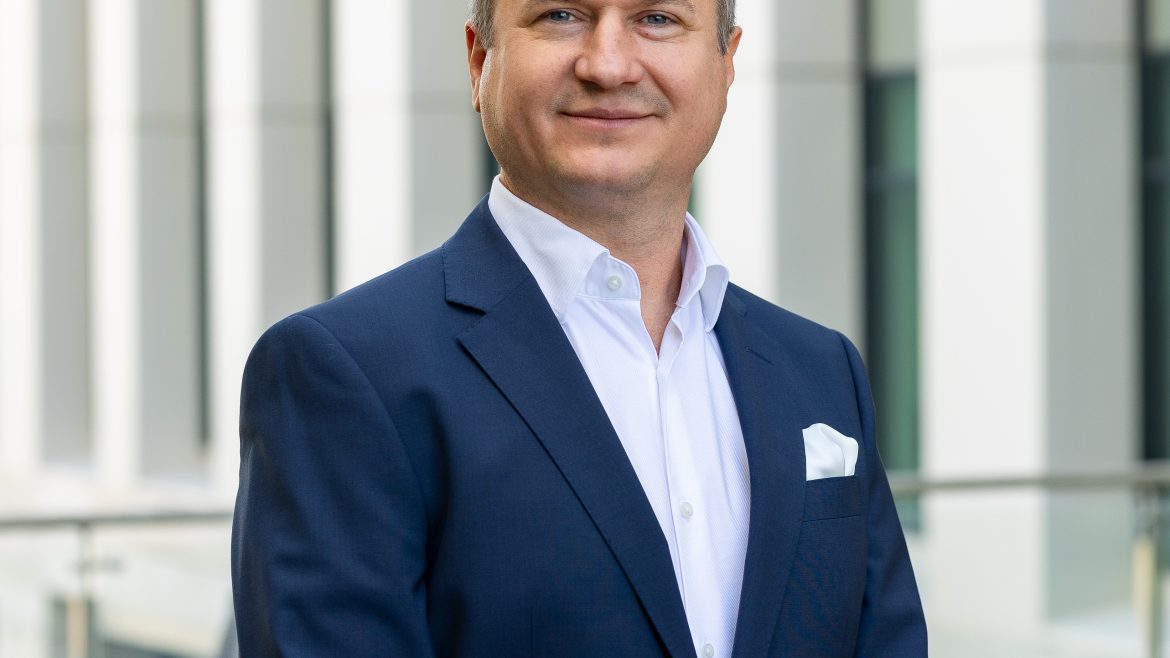
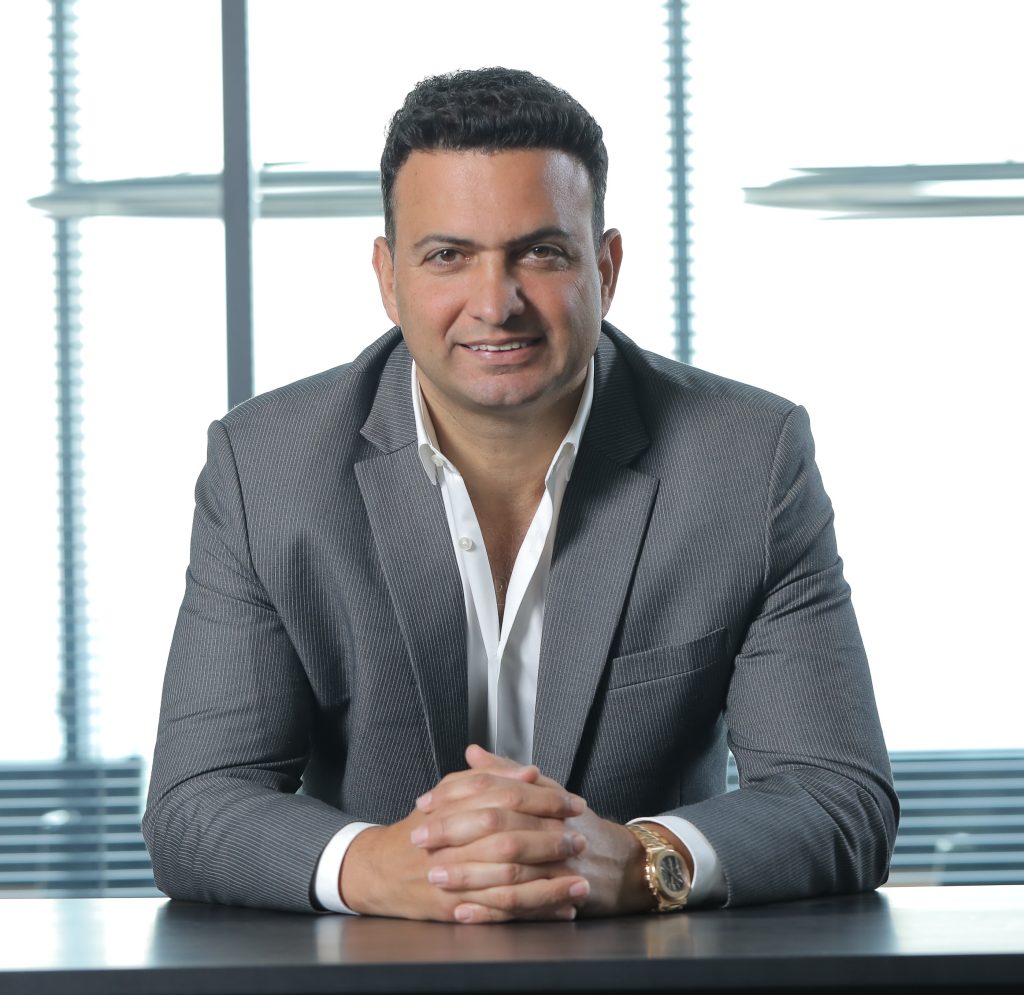
Valer Hancaș, Communication & Corporate Affairs Director, Kaufland România

What were the main business results for 2025?

According to our socio-economic impact study for the 2024 financial year, conducted with KPMG, Kaufland Romania achieved a turnover of €3.97 billion for the period March 2024 to February 2025. This performance reflects our continued focus on freshness, assortment diversity, and maintaining affordable prices for our customers. Since our financial year ends in February, we report results based on this calendar.

What are your company’s business targets and plans for 2026?

For Kaufland, 2026 will be a year of continuity and consolidation, aligned with market dynamics and expectations. We will continue to grow, innovate, and invest in key areas, such as expansion, digitalization, and sustainability. Our investments will focus on new store openings, technologies that simplify the shopping experience, from K-Scan to express checkouts and the Kaufland Card app, and smart energy solutions that reduce our environmental footprint, while maintaining our commitment to affordable prices for our customers.

Collaboration with local suppliers remains central to our business model. Over 85% of the food products we sell are sourced from Romanian producers. In 2024 alone, we worked with more than 2,500 local suppliers, directing nearly €3 billion into the national economy. These partnerships contribute to freshness, quality, and the stability of our supply chain.

Through these investments and partnerships, we aim not only to drive company growth but also to contribute to Romania’s economic development. For us, the future is about consistency, responsibility, and sustainable performance.

What do you see as the main risks for the Romanian real estate market in 2026? Where do you see the most attractive opportunities for growth?

In 2026, we expect regulatory and fiscal changes to remain an important source of uncertainty, as frequent adjustments can affect predictability, as well as long-term planning and investment decisions. However, we view these challenges as guidelines towards becoming more efficient, more attentive to customer needs, and more responsible in our business decisions. They clearly indicate the direction in which retail is evolving and confirm that constant adaptation is essential.

Retail is not only about commercial transactions, but about shaping the future, a future built on innovation, sustainability, and a strong commitment to consumer needs. At Kaufland, we aim not only to respond to change, but to anticipate it, redefining retail through a digital, responsible, and people-centered approach.

One of the main risks for the Romanian real estate market in 2026 is the continued increase in construction costs, driven by materials, labor, and financing conditions. These pressures can impact project timelines, investment decisions, and overall development dynamics across the market.

At the same time, we see attractive opportunities in strengthening partnerships and expanding mixed-use commercial concepts. A strategic pillar of our development is the consolidation of partnerships within our galleries, which represents a key differentiator in the market. We aim to build long-term partnerships with brands that are relevant to our customers’ needs, contributing to the expansion of the one-stop-shop concept.

A recent example is our partnership with IKEA, which opened its first planning and ordering studio in Cluj within a Kaufland commercial gallery. This type of collaboration allows us to extend the range of services available to customers through external partners and to deliver a more comprehensive and relevant experience, beyond traditional grocery shopping.

Which players or strategies are going to be winners in 2026?

In 2026, the winners will be the players that combine long-term strategic vision with agility and the ability to adapt quickly to a highly dynamic retail environment. Price competitiveness will remain important, but differentiation will increasingly come from formats, fresh product offerings, and the overall customer experience. In a market where new concepts such as hypercash formats are gaining momentum, the ability to operate consistently across multiple formats and respond rapidly to changing consumer expectations will be a key competitive advantage.

At Kaufland, our leadership is built on responsibility. Sustainability is not just part of our strategy, it is the strategy. We position ourselves as a trusted partner for Romania’s economy, supporting local producers, creating jobs, investing in green infrastructure, and engaging in social causes that matter.

Our strategies are designed with a long-term perspective measured in decades, not financial years. While our strategic direction remains consistent, we continuously adjust the pace and execution depending on the context. Strong, visionary leadership and constant adaptation enable us to remain a solid and bold business and a reliable partner for customers, suppliers, and communities.

2026 Trends with Dan Sebastian Câmpeanu, Impact Developer & Contractor

2026 Trends with Dan Sebastian Câmpeanu, Impact Developer & Contractor 1200 600 BUCHAREST REAL ESTATE CLUB

07.02.2026

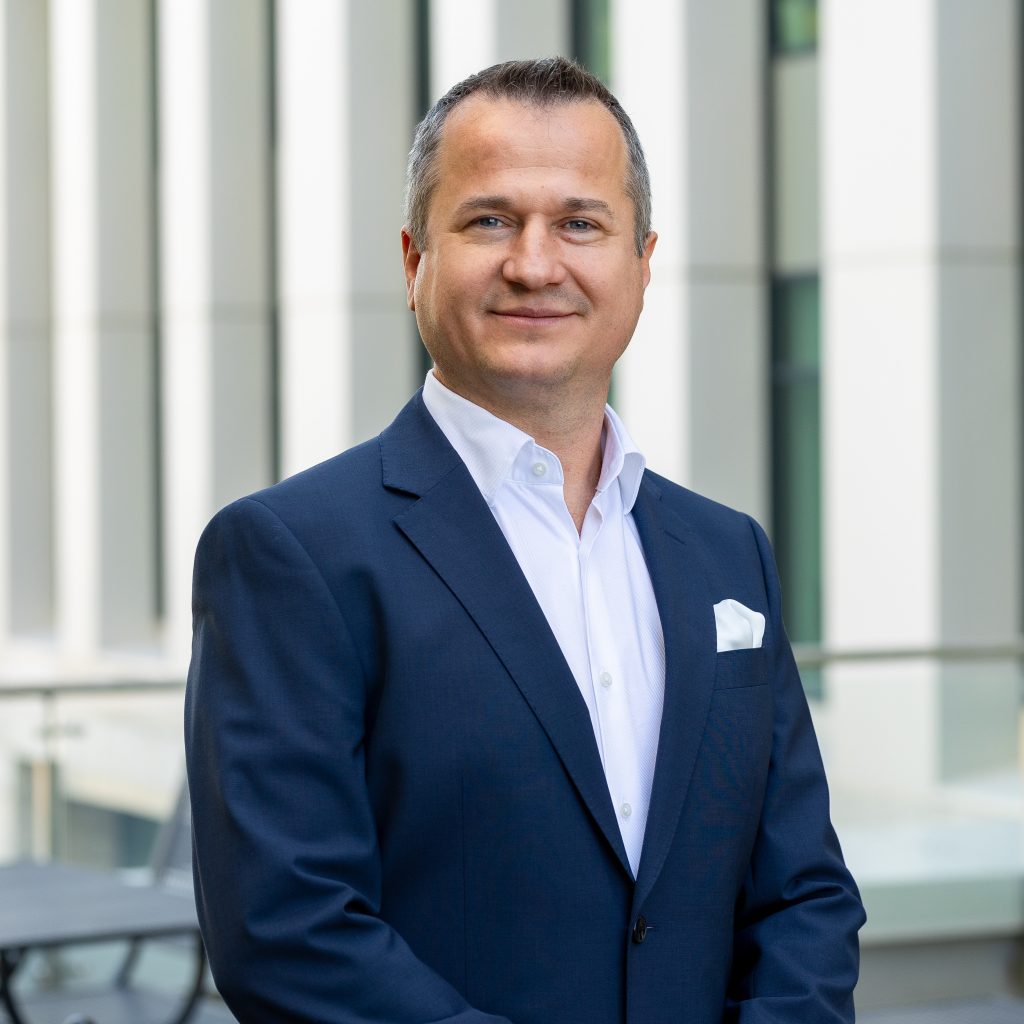
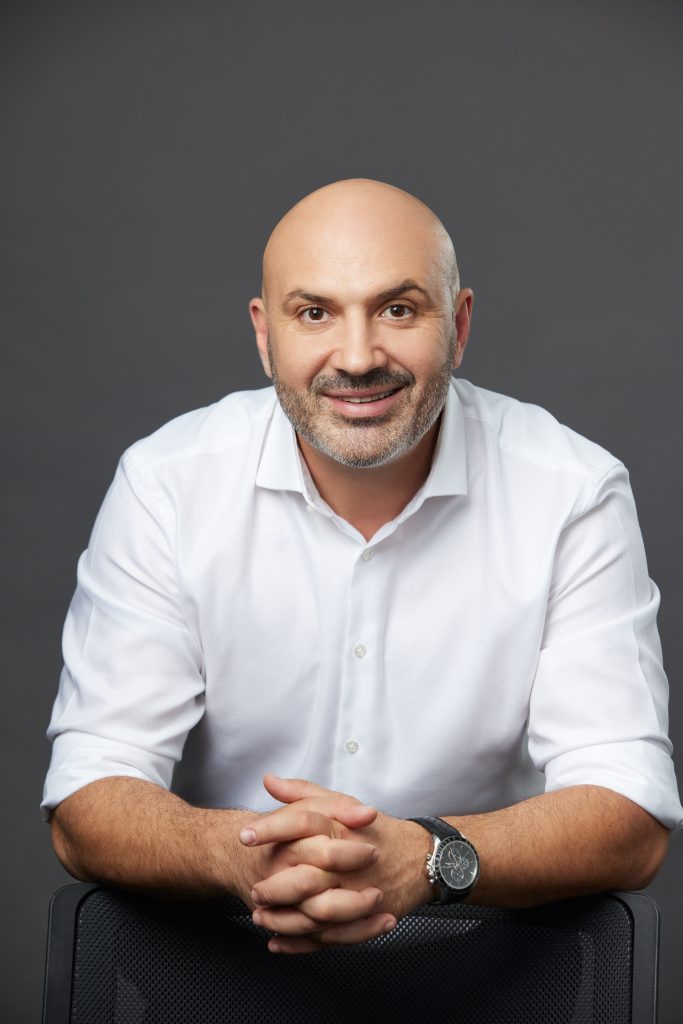
Dan Sebastian Câmpeanu, CEO Impact Developer & Contractor

What were the main business results for 2025?

Despite numerous challenges, 2025 was a strong year for us business-wise. At group level, in the first 9 months of the year we doubled our revenues, reaching a consolidated turnover of EUR 55.8 million and a consolidated net profit of EUR 11.4 million. Sales in this period registered an advance of 152% compared to the first 9 months of last year: 227 units, worth EUR 31.5 million.

Beyond these financial results, we delivered major projects to customers, overcame all obstacles and challenges, significantly reduced loans and financial debts, significantly increased liquidity, put new projects in the pipeline and obtained new building permits.

The results obtained in 2025 confirm the solidity of our business model and the efficiency of the measures implemented to increase operational and financial performance.

In 2026, IMPACT also marks two important capital market milestones: 30 years of uninterrupted listing on the Bucharest Stock Exchange and 20 years since the Company’s promotion to the Main Market (First Tier). These anniversaries further underline the Group’s long-term commitment to transparency, sound corporate governance and sustainable growth as a publicly listed company.

What are your company’s business targets and plans for 2026?

In line with our 2026 – 2034 long-term strategy, launched last year, our focus is on improving asset utilization, accelerating development on land already in our portfolio, and reinvesting capital into high-yield projects.

In 2026 we’ll launch two major, much-anticipated mixed-use projects in Bucharest and Iasi.

At the same time, we will continue the development of our flagship projects: GREENFIELD Baneasa in northern Bucharest, which will reach over 6,485 homes upon completion, and Boreal Plus in Constanța, a residential complex totaling more than 771 homes.

What economic pressures (e.g., inflation, interest rates, work force issues) or regulatory and fiscal changes do you anticipate impacting the market in 2026, and how is your company preparing for them?

In 2026, we expect the market to continue operating in a context defined by macroeconomic volatility, regulatory tightening, and structural cost pressures, rather than by a single dominant risk.

Inflation and financing costs are likely to remain relevant, even if interest rates stabilize. The key challenge will be affordability and predictability, not access to financing. Our response builds on financial discipline, reduced leverage, strong liquidity, and flexible commercial mechanisms designed to limit the financial effort required from clients.

A persistent structural pressure remains the shortage of qualified workforce in construction, impacting costs and execution timelines. We address this through vertical integration, bringing design and general contracting in-house to improve cost control, delivery predictability, and operational flexibility.

On the regulatory side, recent legislative changes, including the “Nordis law”, will increase compliance requirements but should prove structurally positive, reinforcing transparency and favoring well-capitalized, disciplined developers. Our conservative financial approach and strict risk management allow us to adapt without disrupting our development pipeline.

Fiscal uncertainty remains a medium-term risk, which we manage through scenario-based planning, liquidity buffers, and early financing. Overall, we believe 2026 will continue to reward resilience, financial discipline, and operational control, supported by a long-term strategy focused on delivering relevant, affordable, and high-quality projects.

What do you see as the main risks for the Romanian real estate market in 2026? Where do you see the most attractive opportunities for growth?

In 2026, the main risks for the Romanian real estate market remain linked to macroeconomic and fiscal volatility, which continues to affect long-term planning in a sector with multi-year investment cycles. Affordability pressures, driven by construction, financing, and regulatory costs, may slow decision-making, while structural constraints, such as labor shortages, continue to impact execution and margins.

At the same time, 2026 offers attractive opportunities for both end-users and investors, particularly in well-located, well-priced residential projects developed by financially solid players. Projects that are completed or close to delivery are expected to perform better, benefiting from higher buyer confidence, easier access to bank financing, and clearer yield visibility for investors. Increased regulation and market discipline are also likely to favor transparent, well-governed developers, while mixed-use and sustainable developments remain attractive for long-term capital preservation and stable returns.

Which players or strategies are going to be winners in 2026?

In 2026, the winners in the real estate market will be developers with strong operational capacity, financial discipline, and the ability to adapt quickly to changing economic and regulatory conditions.

Players with integrated capabilities – covering design, authorization, execution, financing, and sales — will have a clear advantage, as they can better control costs, timelines, and quality, while remaining flexible in pricing and commercial structures. Liquidity, low leverage, and disciplined risk management will be key differentiators in a market where predictability remains limited.

Strategically, projects that are well-positioned, relevant for both end-users and investors, and supported by transparent communication and strong governance are likely to outperform. In a more regulated and selective market, credibility, execution track record, and long-term thinking will matter more than aggressive expansion or speculative approaches.

2026 Trends with Eduard Barbu, BL Associates

2026 Trends with Eduard Barbu, BL Associates 600 600 BUCHAREST REAL ESTATE CLUB

07.02.2026

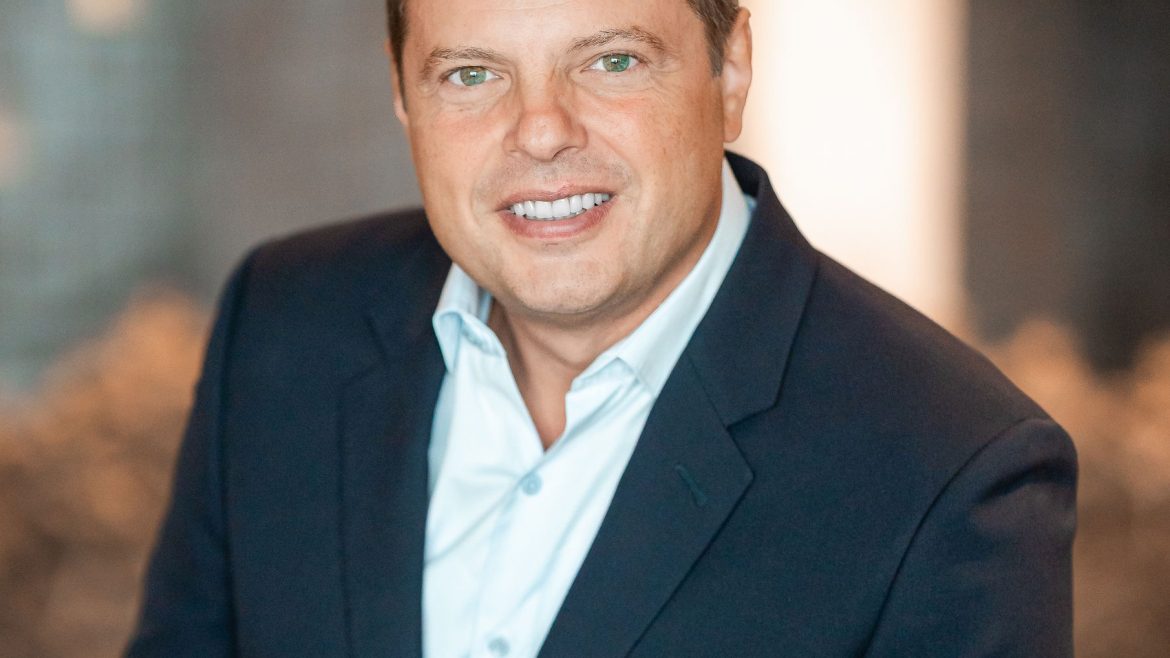
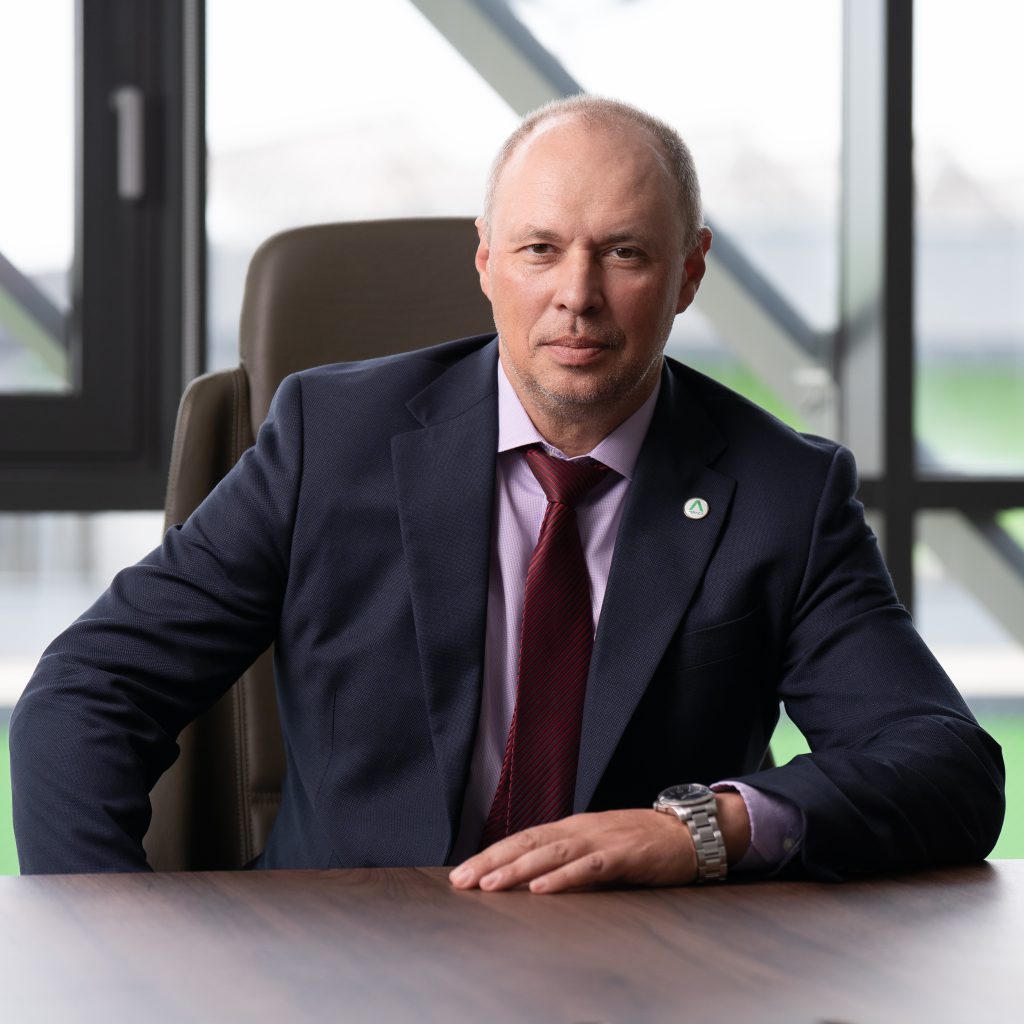
Eduard Barbu, Director BL Associates

What were the main business results for 2025?

2025 was primarily a year of consolidation rather than acceleration. We closed the year with a turnover of approximately EUR 15.4 million, compared to EUR 15.1 million in 2024. The growth was moderate, but in the current market context we consider it a stable and healthy outcome. More important than the absolute figures was our ability to remain active across multiple market segments, without becoming dependent on a single type of client or project.

What are your company’s business targets and plans for 2026?

Our objective for 2026 is controlled growth with a strong focus on resilience. We are investing further in strengthening our execution teams as well as our in-house production capabilities, while continuing to diversify our activity. The goal is not maximum expansion, but adaptability — building a structure that can perform under different market conditions and remain operationally flexible. We are deliberately positioning the company to be anti-fragile rather than optimized for one specific scenario.

What economic pressures (e.g., inflation, interest rates, work force issues) or regulatory and fiscal changes do you anticipate impacting the market in 2026, and how is your company preparing for them?

We expect economic pressure to remain constant throughout 2026. High financing costs, cautious capital allocation, workforce constraints, and ongoing fiscal uncertainty will continue to affect the market. We do not anticipate rapid relief from interest rates or regulatory simplification. Our response is pragmatic: tighter cost control, conservative planning, shorter decision chains, and a stronger focus on execution efficiency rather than scale for its own sake.

What do you see as the main risks for the Romanian real estate market in 2026? Where do you see the most attractive opportunities for growth?

The main risk is prolonged hesitation — delayed decisions, postponed investments, and projects remaining stuck in planning phases rather than moving into execution. In Bucharest specifically, following the recent local elections, and based on the signals and early positioning of the newly elected mayor, we anticipate a continuation of the previous administration’s approach. This likely means a city that remains largely blocked from a development and permitting perspective, with limited predictability for private investment.
At the same time, this environment creates opportunities for well-capitalized, operationally strong players who can actually deliver. Demand still exists, but it is increasingly selective and performance-driven.

Which players or strategies are going to be winners in 2026?

The winners in 2026 will not necessarily be the most aggressive or the most optimistic players, but the most disciplined ones. Companies that understand their costs, protect their margins, invest in people and production capacity, and stay close to on-the-ground realities will have a clear advantage. Execution capability and flexibility will matter more than scale alone.

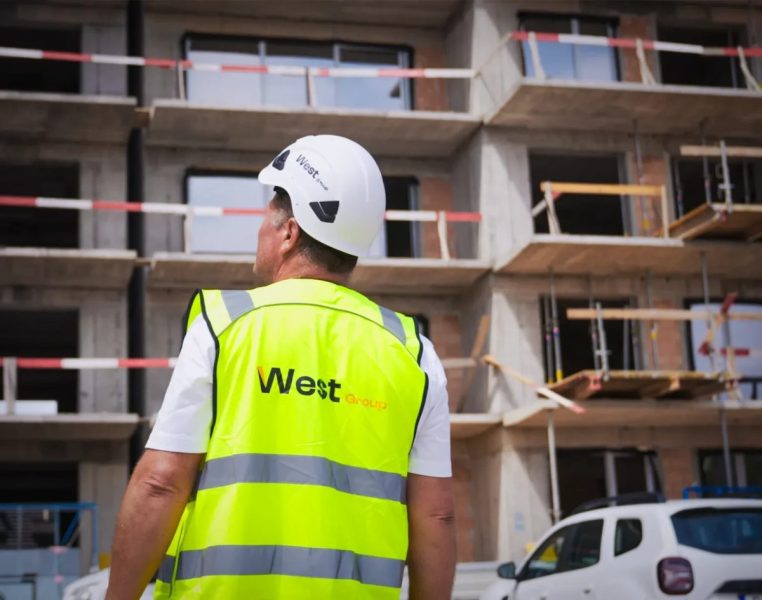
West Group announces a transparency package for residential projects and introduces an internal standard for payment traceability, in line with Law 207/2025

West Group announces a transparency package for residential projects and introduces an internal standard for payment traceability, in line with Law 207/2025 900 600 BUCHAREST REAL ESTATE CLUB

West Group announces the launch of a transparency package, in fact a set of criteria and key documents, easy to verify by buyers and financiers, and the implementation of an internal standard for payment traceability for residential projects currently for sale, in line with the provisions of Law no. 207/2025, published in the Official Gazette no. 1133/December 8, 2025.

Law 207/2025 clarifies expectations in the market and creates a common language for authorities, buyers and banks. We go one step further and standardize, publicly, what a buyer or a financier should be able to verify quickly at any time: documents, stages, payments and delivery milestones. The objective is simple: more trust and more efficient financing of solid projects”, said Dan Crăciunescu, founder of West Group.

The initiative comes at a time when the supply of new homes in Bucharest–Ilfov remains under pressure: nearly 17,000 homes were completed in 2024 in the region (−19.3% vs. 2023), and in 2025 the level of deliveries was with only 1,000 units above that of the previous year, according to the information available at this moment. In the context of a solid and solvent demand that characterizes the residential segment in Bucharest-Ilfov, the new legal regulations represent differentiating factors in the market.

What the West Group Transparency Package includes

The package introduces a unified internal standard for communication, documentation and financial flows, so that clients and financiers have better visibility over the project and the stages until delivery:

  • Structured and predictable payments, correlated with clearly defined stages and documents, for a safer and easier-to-track purchase experience.
  • Operational traceability of project-related receipts, so that financial flows are aligned with development and delivery (within the limits of the legal and contractual framework).
  • Standardized documentation for buyers (technical milestones, estimated timeline, set of key updates), for comparability and informed decision-making.
  • Periodic updates on the project status, with execution milestones and next steps, to reduce uncertainty and increase trust.

West Group believes that the consistent implementation of the legal framework and transparency practices generates direct benefits for all involved parties:

  • For authorities: a system that is easier to track and standardize, with clearer and more efficient compliance in the market.
  • For clients: increased clarity regarding stages, documents and purchase conditions, with a more robust protection framework.
  • For banks/financiers: projects with better governance and financial discipline, which can support responsible financing and reduce friction in analysis.

West Group reaffirms that its projects are aligned with applicable requirements and assumes an active role in the professionalization of the residential market in Romania, through working standards that support transparency, predictability and fair collaboration with all relevant parties.

Court invalidates ANCPI restriction on surface modifications

Court invalidates ANCPI restriction on surface modifications 495 600 BUCHAREST REAL ESTATE CLUB

Counsel Dana Toma și Associate Andrei Popa, members of Wolf Theiss’ Real Estate & Construction team, talk about the implications of this decision. By means of Judgment no. 178/2024 (hereinafter referred to as the “Judgment”), the Brașov Court of Appeal annulled Article 98 paragraph (2) of ANCPI (National Agency for Cadastre and Real Estate Publicity) Order no. 600/2023, which limited to 2% the modification of the surface area of properties resulting from merger or de-merger operations. The court held that this restriction is not provided by the Law no. 7/1996 on cadastre and real estate publicity (hereinafter referred to as “Law no. 7/1996”) and constitutes an addition to the law, which is not permitted through a lower-ranking normative administrative act.

What’s new

The Brașov Court of Appeal’s decision reaffirms the prerogative of the principle of hierarchy of normative acts, namely that lower-ranking normative administrative acts issued by public authorities (i.e., Order no. 600/2023 of the General Manager of the National Agency for Cadastre and Real Estate Publicity – “ANCPI” – approving the Regulation on Reception and Registration in the Cadastre and Land Book Records) shall be adopted solely on the basis of and for the enforcement of the law under which they were issued, and within the limits set by such law.

Until the publication of the Judgment in the Official Gazette (i.e., 18 November 2025), the Regulation on Reception and Registration in the Cadastre and Land Book Records approved by Order no. 600/2023 imposed an additional 2% limit in case of modifications to the surface area of properties resulting from merger or de-merger operations. This requirement created difficulties for owners and practitioners in their dealings with the cadastre and real estate publicity offices, particularly in situations where the modifications exceeded this threshold but fell within the limits set by Law no. 7/1996 (i.e., 15% for plots located within built-up areas and 5% for plots located outside built-up areas). These limits apply in cases where works for registration in the cadastre and land book reveal that the measured surface differs from:

  •  the surface recorded in a land book based on a cadastral documentation received by the territorial office; or
  • the surface in the cadastral documentation received by the territorial office for which no land book has been opened; or
  • the surface indicated in the ownership documents for which no land book has been opened.

By means of the Judgment, the court held that this additional restriction is unlawful, as the text of Law no. 7/1996 makes no distinction based on the type of operation and does not provide for the 2% threshold, but only for the general limits mentioned above (i.e., 15% for plots located within built-up areas and 5% for plots located outside built-up areas, as indicated above).

By means of Decision no. 4044 of 19 September 2025, the High Court of Cassation and Justice dismissed the appeal lodged by ANCPI against the Judgment as ungrounded, thereby rendering the solution pronounced by the Brașov Court of Appeal final.

Thus, the Judgment confirms that additional conditions cannot be introduced by an order of the general manager of ANCPI as compared to the text of a law contained in a normative act with superior legal force. The arguments raised by ANCPI in its defence, according to which the 2% threshold would have applied in cases of technical errors or repositioning, were dismissed, as the wording of Article 98 paragraph (2) made no such clarification and was not correlated with the articles concerning the correction of errors (i.e., Articles 104 and 109 of Order no. 600/2023). The court emphasised that Article 98 paragraph (2) is located in the section regarding cadastral documentation for modification of the property’s surface area and not in the section concerning the correction of positioning errors, while the law makes no distinction based on the operation from which the additional surface results. Consequently, the additional 2% limit contravenes the clear provisions of Article 41 paragraph (3) letter (b) of Law no. 7/1996, which allows modifications of up to 15% for plots located within built-up areas and 5% for plots located outside built-up areas, without any other limitations or conditions related to cadastral operations of de-merger or merger.

Implications

For property owners and practitioners, surface modifications resulting from merger or de-merger operations shall be assessed against the limits set by Article 41 of Law no. 7/1996, namely up to 15% for plots located within built-up areas and up to 5% for plots located outside built-up areas, without the 2% restriction in the case of mergers or de-mergers. This decision removes a practice of the cadastre and real estate publicity offices that created difficulties in preparing cadastral documentation and carrying out real estate transactions. The ruling constitutes an important precedent regarding compliance with the hierarchy of normative acts and the limits of the regulatory powers of public authorities, reiterating that acts falling within tertiary legislation (i.e., orders of the director general of the National Agency for Cadastre and Real Estate Publicity) cannot introduce additional conditions beyond those provided by primary legislation (i.e., Law no. 7/1996).

FORTIM Study: Romanian Investors Lead the Commercial Real Estate Investment Market in 2025

FORTIM Study: Romanian Investors Lead the Commercial Real Estate Investment Market in 2025 538 600 BUCHAREST REAL ESTATE CLUB

In 2025, the total volume of investments in commercial properties in Romania reached 579.4 million euro, according to a study conducted by Fortim Trusted Advisors, an alliance member of the BNP Paribas Real Estate.
Romanian investors held the largest share of total invested capital, accounting for 34% of transaction value, 193 million euro.

Second place was taken by investors from the United Kingdom, with 27% of the total and investments 156 million euro, followed by Hungarian investors with 9%, equivalent 52 million euro.

This structure marks a significant change compared to 2024, when Belgian investors ranked first, followed by Czech investors, while Romanian investors were in third place.

Among the most important commercial properties acquired by Romanian investors in 2025 are the Winmarkt Someș shopping center in Cluj-Napoca, the Joy retail park in Calafat, the Iride, Ethos, Pipera Business Tower and Henkel HQ office buildings in Bucharest, the Heineken factory in Constanța, as well as the Capitol hotel complex in Eforie Sud and the Balada Hotel in Saturn.

The significant increase in the share of Romanian investors reflects the maturation of the local market and growing confidence in the long-term potential of commercial real estate assets in Romania. We see well-capitalized local investors with clear strategies and an increased appetite for diversification, covering all four real estate segments: offices, retail, industrial and hotels,” said Ștefan Oana, Head of Capital Markets at Fortim Trusted Advisors, an alliance member of the BNP Paribas Real Estate.

A single investor from the United Kingdom, M Core, purchased retail parks and shopping malls in secondary cities with a total value ofeuro156 million, placing this nationality second in terms of total transaction volume.

TARA INVESTITORI VALOARE 2025 (MIL. EURO)
ROMÂNIA 193
MAREA BRITANIE 156
UNGARIA 52
ISRAEL 40
JAPONIA 35
LIBAN 30
TURCIA 15,8
BELGIA 15
CIPRU 6,4
GRECIA 4,2
n/a 20

Top 3 Transactions of 2025 

The largest transaction of 2025 was carried out by M Core, which acquired seven retail parks located in smaller cities for 57 million euro.
Second place was taken by a transaction involving Romanian capital: Alfa Group purchased part of the IRIDE office complex in the Pipera area of Bucharest for 55 million euro.
Third place was occupied by the Equilibrium transaction, acquired by Hungarian investors from Adventum for 52 million  euro.

One of the most important transactions expected in 2025 in the industrial segment—the acquisition of the P3 portfolio by CTP—did not receive approval from the Competition Council. Under these circumstances, the total investment market volume remained, at year-end, below the level recorded in 2024.

The largest transaction in the industrial segment was the acquisition of a tire factory in Mehedinți County for 35 million euro by a Japanese company.

In 2026, investor interest will remain high in the retail park segment, which continues to benefit from high occupancy rates, in the industrial-logistics segment, which has the greatest investment potential supported by the expansion of road infrastructure, as well as in the office segment. In this case, investors are particularly attracted by market opportunities generated by pricing levels and seller flexibility, if office assets are located in well-positioned areas,” estimates Nicolae Ciobanu, Managing Partner – Head of Advisory at Fortim Trusted Advisors, an alliance member of the BNP Paribas Real Estate.

The highest volume of investments ever made by Romanian capital in the real estate sector was recorded in 2022, when Pavăl Holding acquired office buildings with a total value ofeuro467 million. That year, Romanian investors accounted for 49% of the total transaction volume, in a context of record investment levels.

Navigating Europe’s mandatory building energy efficiency regulations

Navigating Europe’s mandatory building energy efficiency regulations 1067 600 BUCHAREST REAL ESTATE CLUB

Not long ago, energy performance was a nice-to-have. A green label on your building said something about your values, but rarely influenced whether tenants signed a lease or investors backed up your portfolio. Today, it’s a different story. Across Europe, managing energy usage is no longer just a bonus – it’s a regulatory baseline. And for the business sector, whether it’s offices, the hospitality industry or retailers, that baseline is moving fast.

The laws driving change

At the heart of this shift are two legislations from the European Union: The Energy Performance of Buildings Directive (EPBD) and the Energy Efficiency Directive (EED). Together, they form the backbone of the EU’s strategy to decarbonize one of its most emissions-heavy sectors: buildings. According to the European Commission1, buildings are responsible for 40% of the EU’s energy consumption and over one third of the EU’s energy-related GHG emissions come from buildings.

1 Source: Energy Performance of Buildings Directive

The aim of the EPBD is to achieve a fully decarbonized building stock by 2050 to contribute to the EU’s energy and climate goals. Of course, this doesn’t happen overnight and there are several steps to take in between to get there. From 2030 onwards, all newly constructed buildings must be zero-emission. For public buildings, that deadline comes even sooner: 2028. And for the vast majority of existing office stock across Europe, national governments are rolling out mandates to push renovations of the worst-performing buildings.

It doesn’t stop there. The EED adds another layer of urgency, compelling public authorities to renovate 3% of their building stock2 every year – expanding the obligation to all public buildings, including those at local and regional levels. As part of a broader energy savings target, the expectation is clear: doing nothing isn’t an option.

2 Source: Public buildings

Rethinking the building space

Reaching compliance can seem like a daunting task, but everyone in the sector should see it as an opportunity to drive transformation. It’s not just about meeting new rules, but it is an invitation to rethink how buildings should function in a world that demands more: from energy, from resources, and from the working environments we create.

And it’s not just a technical challenge, it’s also about meeting tenants’ needs. Today, they are asking more questions and corporate users are under their own pressure to make continuous progress in their net-zero roadmap. A high-performing energy label is no longer a vanity metric; it’s part of their ESG reporting and a growing factor in their leasing decisions. Buildings that don’t keep up risk falling out of favor, or off the market altogether.

Furthermore, suppliers like Samsung Climate Solutions are continuously driving innovation to support building owners and facility managers. Not just in terms of the latest modern HVAC systems but also when it comes to smart technologies. For example, we recently introduced our SmartThings Pro software solution which enables business owners and site managers to monitor and control climate control devices in commercial buildings. Its user-friendly interface lets users check the status of various IoT devices across different locations3. The dashboard is equipped to improve the efficiency of managing additional facility equipment with device status checks and remote-control options. This will help owners and managers enhance the tenant experience and improve the long-term value of their portfolios.

3 Is only available with SmartThings Pro Advanced License model codes: HD-DASHBDST1A1 and HD-DASHBDST2A1.

The retrofit reality

Of course, not every building is easily upgraded and the reality is more complex. Did you know that 85% of buildings in Europe were built before 2000 and amongst those, 75% have a poor energy performance? Emphasizing that action is needed. However, the fact is that Europe’s office landscape is filled with aging, space-constrained, or architecturally protected structures where a full revision isn’t always straightforward.

Compact systems which are optimized for energy efficiency4 – like Samsung’s HVM Chiller systems – offer a modular concept, allowing building owners to connect up to 16 outdoor units to meet their needs. Since they have a compact and lightweight design, it’s possible to combine and install multiple units even when space is limited. And its flash injection technology and a highly efficient heat exchanger increase the heating performance during heating mode in low ambient conditions. Helping building owners make critical upgrades to their buildings.

4 HVM Chiller outdoor units have a SEER (Nominal Cooling) of 5.7 and SCOP (Nominal Heating) of 4.3. Tested based on the AG042 model at test conditions: Water 35 without pump input. Results may vary depending on environmental factors and individual use.

Leading by example

There is a lot of work to be done, but this transition isn’t fully uncharted territory. Across Europe and Asia, forward-looking building owners have already embraced integrated systems that connect climate solutions with smart building management. By combining modular retrofits with integrated climate platforms, they’re proving that transformation is not only feasible — it’s happening now.

One of the examples is the Warsaw Hub, a multifunctional office complex in Warsaw, Poland, combining office spaces, collaboration hubs, and hotels. Two connected towers, standing at 130m and 86m respectively, house advanced building management systems, including Samsung’s DVM S Water for centralized cooling. A total of 2,101 indoor units have been installed throughout the building, ensuring seamless integration with a variety of systems. Samsung’s b.IoT solution was used here to enable monitoring and control of the HVAC systems, optimizing energy use and providing ease of operation. Samsung’s cutting-edge algorithm-driven system meets the demands of large-scale centralized AC systems.

This is just one example, but there are countless more to show others have paved the way and you don’t have to reinvent the wheel. Besides, it’s important to keep the benefits in mind: buildings with optimized climate solutions are more comfortable to work in, easier to lease, and increasingly attractive to tenants with their own corporate responsibility goals. They suffer less downtime, and send a clear message to the market: we are ready for the future.

A structural shift, not a passing trend

The regulatory shift currently sweeping through Europe is not a passing storm. It’s a structural transformation of the built environment, and it’s moving faster than many expected. But amid the pressure lies an enormous opportunity. For those ready to invest, adapt, and lead, this moment can mark the beginning of a modern and more resilient office portfolio.

BREC AWARDS 2025: VISIONARY CONSULTANCY AWARD

BREC AWARDS 2025: VISIONARY CONSULTANCY AWARD 901 600 BUCHAREST REAL ESTATE CLUB

The annual BREC Christmas Party was a great opportunity to inaugurate BREC AWARDS, a new initiative designed to bring recognition to BREC members for their activity throughout the year in the real estate industry.

BREC AWARDS is our way to honour the visionaries who transform cities, redefine communities, and set new standards of excellence. BREC AWARDS has given us the opportunity to look closely at each member’s work in 2025 and highlight the investments, transactions, and companies that bring greater maturity and professionalism to the Romanian real estate industry.

VISIONARY CONSULTANCY AWARD – IO PARTNERS

BEST OFFICE DEAL: PROCTER & GAMBLE – YUNITY PARK

The company has gone through a series of notable transformations recently. In 2023, following the JLL – iO Partners transaction, JLL offices in Romania, the Czech Republic, Hungary and Slovakia became iO Partners. Starting from January 2026, the new market manager for Romania will be Andrei Vacaru, as recently announced.

We were glad that Andrei was present at the BREC event and that he can inaugurate the new role with an award, which we are offering for the best office transaction: Procter & Gamble at Yunity Park.

VISIONARY CONSULTANCY AWARD – FILIP & COMPANY

EXCELLENCE IN LEGAL ADVISORY & TRANSACTIONAL SUPPORT

Filip & Company is a company founded in 2019 by Cristina Filip and which has become one of the most active in the real estate area.

The real estate law practice is formed by lawyers with solid experience, who are at the forefront of the development of the real estate market in Romania. Ioana Roman, the coordinating partner for real estate within the firm, is recognized in Band 4 of the renowned Chamber & Partners. We are granting them the award for excellence in legal advisory & transactional support.

VISIONARY CONSULTANCY AWARD – FORTIM TRUSTED ADVISORS

TOP TRANSACTION: MEDICANA HEALTH GROUP

Fortim Trusted Advisors is a member of the BNP Paribas Real Estate Alliance. With headquarters in Bucharest and a branch in Cluj-Napoca, the company offers integrated real estate consulting and brokerage services across all market segments.

Fortim was the architect of a significant transaction recently concluded: Medicana Helath Group, for a 120-bed hospital, an investment of over 46 million Euros.

VISIONARY CONSULTANCY AWARD – SCHOENHERR ROMANIA

TOP CROSS-BORDER REAL ESTATE LEGAL ADVISORY

Founded in Vienna 75 years ago, the company has been active on the Romanian market for almost 30 years.

SCHOENHERR is active throughout the Central and Eastern European region and at BREC AWARDS 2025 we recognize their merits for international transactions.

VISIONARY CONSULTANCY AWARD – EST HOSPITALITY

BEST HOSPITALITY STRATEGY & ADVISORY

This award recognizes the merits of a niche consulting company. We are talking about tourism consulting and hotel affiliation in international brand chains.

Mircea Draghici is a pioneer in this field; he has numerous contracts that have materialized in successful hotel businesses. At BREC AWARDS 2025 we offer him the award for the best hospitality strategy & advisory.

BREC AWARDS 2025: EXCELLENCE IN CONSTRUCTION AWARD & ASSET MANAGEMENT AWARD

BREC AWARDS 2025: EXCELLENCE IN CONSTRUCTION AWARD & ASSET MANAGEMENT AWARD 901 600 BUCHAREST REAL ESTATE CLUB

The annual BREC Christmas Party was a great opportunity to inaugurate BREC AWARDS, a new initiative designed to bring recognition to BREC members for their activity throughout the year in the real estate industry.

BREC AWARDS is our way to honour the visionaries who transform cities, redefine communities, and set new standards of excellence. BREC AWARDS has given us the opportunity to look closely at each member’s work in 2025 and highlight the investments, transactions, and companies that bring greater maturity and professionalism to the Romanian real estate industry.

EXCELLENCE IN CONSTRUCTION AWARD – KONE ROMANIA

INNOVATION IN BUILDING MOBILITY SOLUTIONS

Founded in Finland in 1910, the company began operating in Romania in 2008 and has recorded steady business growth, reaching annual revenues of over 14 million Euros and over 90 employees. Kone products are present in residential projects, office buildings or shopping centers but also in public projects.

At BREC AWARDS 2025 we recognize their merits for innovations in mobility solutions.

EXCELLENCE IN CONSTRUCTION AWARD – KNAUF GIPS

DARING INVESTMENTS IN ROMANIA – KNAUF HUEDIN

German manufacturer Knauf is investing 88 million Euros in a gypsum factory in Huedin, which will be one of the largest of its kind in Europe. The factory will serve not only the local market, but also the countries in the region – Bulgaria, the Republic of Moldova, Serbia, Greece, Hungary, Ukraine, the Czech Republic and Slovakia, areas with a high potential for reducing energy consumption.

EXCELLENCE IN CONSTRUCTION AWARD – VITALIS CONSULTING

OUTSTANDING ACHIEVEMENT IN CONSTRUCTION PROJECT MANAGEMENT

Vitalis Consulting, a Romanian company, will celebrate its 20th anniversary next year. They are the ones who paved the way for what professional project management services in construction mean today and have an impressive portfolio: over 5 million sqm managed with a value of 3 billion Euros.

We are granting them the award for outstanding achievement in construction project management.

EXCELLENCE IN CONSTRUCTION AWARD -CONCEPT STRUCTURE

INNOVATING THE FUTURE OF STRUCTURAL DESIGN

With a 17-year history, Concept Structure has registered a 50% growth this year and is counting on the continuous training of the team and international expansion.

At BREC AWARDS 2025 we recognize their merits for innovation in the field of structural design.

EXCELLENCE IN CONSTRUCTION AWARD – WEMAT GLOBAL

EUROPEAN REGIONAL STRATEGIC EXPANSION

WEMAT is a company founded in Romania that has expanded regionally in Hungary and Bulgaria.

The company has evolved from a specialized flooring supplier to a full-service provider covering design, project management and execution. The company works with Romanian manufacturers of custom-made joinery and furniture, exporting their products for interior design projects in Hungary and Bulgaria. With a turnover of 25 million Euros in 2025, the target for 2027 is between 50-60 million Euros for the entire group.

ASSET MANAGEMENT AWARD – RUSTLER ROMANIA

OUTSTANDING ACHIEVEMENT IN PORTFOLIO MANAGEMENT

The company began its activity 90 years ago in Vienna. Part of the Rustler Gruppe, Rustler Romania was founded in 2011. In the last five years, they have recorded an increase from 26 million Ron turnover in 2020 to 40 million Ron in 2024.

We are granting them the award for outstanding achievement in portfolio management.

ASSET MANAGEMENT AWARD – VÖLKEL REAL ESTATE ROMANIA

BEST OPERATIONAL EFFICIENCY  

Voelkel Real Estate Romania was founded in 2019, part of the Völkel Group, one of the leading full-service property managers in Germany. The group operates in 15 locations in Germany, serving over 1,500 tenants. Its managed portfolio includes 160 commercial properties, with a total of 1.1 million sqm of leasable area and assets under management exceeding 2 billion euros.

ASSET MANAGEMENT AWARD – SINGU

DIGITAL TRANSFORMATION OF BUILDING MANAGEMENT

The SINGU platform is implemented by 500 companies in a portfolio exceeding 200 million sq m of commercial properties in over 30 countries. Clients include GTC, Logicor, NEPI Rockcastle and White Star.

At the BREC AWARDS 2025 we grant them the award for digital transformation of building management.

BREC AWARDS 2025: OFFICE INNOVATION AWARD & SUSTAINABILITY AWARD

BREC AWARDS 2025: OFFICE INNOVATION AWARD & SUSTAINABILITY AWARD 901 600 BUCHAREST REAL ESTATE CLUB

The annual BREC Christmas Party was a great opportunity to inaugurate BREC AWARDS, a new initiative designed to bring recognition to BREC members for their activity throughout the year in the real estate industry.

BREC AWARDS is our way to honour the visionaries who transform cities, redefine communities, and set new standards of excellence. BREC AWARDS has given us the opportunity to look closely at each member’s work in 2025 and highlight the investments, transactions, and companies that bring greater maturity and professionalism to the Romanian real estate industry.

OFFICE INNOVATION AWARD – VASTINT ROMANIA

INTEGRATING THE LARGEST FOOD HALL IN AN OFFICE DEVELOPMENT – TIMPURI NOI SQUARE

Vastint’s large development has completely changed the Timpuri Noi area of ​​Bucharest.

Currently, the investor is working on the second phase of the project, covering an area of ​​60,000 sq m. Once completed, it will double the total leasable area of ​​the project, which will thus reach 112,000 sq m.

At BREC AWARDS 2025 we are awarding them for a special concept: New Tales, the largest food hall that will be integrated into an office area.

OFFICE INNOVATION AWARD – GTC ROMANIA

LONG-STANDING COMMITEMENT FOR HUMAN-CENTRIC WORKSPACES

Today, the company has a 30-year history in Central and Eastern Europe. In Romania, one of the most recent investments was the renovation of the group’s flagship project, the City Gate towers in the Romexpo area.

At BREC AWARDS 2025 we recognize their long-term commitment to the office market.

OFFICE INNOVATION AWARD – THETA FURNITURE & MORE

TRUSTED PARTNER FOR OFFICE LANDLORDS

Theta Furniture & More is a company with a history of over 15 years in Romania, during which it became one of the largest local integrators of interior design solutions, with its own furniture production unit, in Prahova County.

At BREC AWARDS 2025 we grant them the OFFICE INNOVATION AWARD for being a trusted partner for office investors.

OFFICE INNOVATION AWARD – GENESIS PROPERTY

LEADERSHIP IN RECONVERSION – YUNITY PARK

Genesis, one of the largest office owners in Bucharest, is constantly investing in its properties.

We are granting them THE OFFICE INNOVATION AWARD  for the Yunity Park concept, a project that has undergone a reconversion process which includes the addition of an amphitheater and green spaces – a 2,000 square meter urban forest. The project is entering its final development phase, which will include an Innovation Center with a food hall, conference center, co-working spaces and a kindergarten.

OFFICE INNOVATION AWARD – BL ASSOCIATES

EXCELLENCE IN WORKSPACE DESIGN

BL Associates is a company founded by Brandon Lee. Born in Malaysia and educated in Singapore, Bradon worked in China and Taiwan but remained in Romania.

BL Associates has numerous notorious collaborations in the field of office design, some of the most famous being with Banca Transilvania.

At BREC AWARDS 2025 we grant them the OFFICE INNOVATION AWARD for excellence in workspace design.

SUSTAINABILITY AWARD – KAUFLAND ROMANIA

EXCELLENCE IN RETAIL OPTIMIZATION & CUSTOMER-CENTRIC MANAGEMENT

Kaufland Romania is a company which pays special attention to the ESG component. According to their latest report, the company has invested 63 million Euros in ESG initiatives regarding the supply chain of its stores, reducing its environmental impact and projects with impact in the Community.

We award Kaufland for excellence in retail optimization and customer-centric management.

SUSTAINABILITY AWARD – VGP ROMANIA

HIGHEST INTERNATIONAL STANDARDS IN INDUSTRIAL DEVELOPMENT

VGP Romania is part of the VGP group, a pan-European developer, manager and owner of high-quality logistics and semi-industrial properties, as well as a provider of renewable energy solutions. In Romania, it owns logistics parks in Bucharest, Brasov, Timisoara, Arad and Sibiu.

VGP Park Arad has received this year the BREEAM Outstanding certification with 96.3%, representing the highest score worldwide awarded to an industrial building.

SUSTAINABILITY AWARD – SEACE ROMANIA

LEADERSHIP IN TECH EDUCATION FOR SUSTAINABLE SOLUTIONS

Samsung climate solutions have seen double-digit growth in the last five years in the Romanian market.

At BREC Awards 2025 we recognize SAMSUNG ELECTRONICS AIR CONDITIONER EUROPE for their educational initiative aimed at engineers and installers to explore state-of-the-art HVAC technologies, delivering maximum value to end users.

SUSTAINABILITY AWARD – BUILD GREEN

SUSTAINABLE COMMUNITY IMPACT

Build Green is a company that practically identifies itself with the sector of sustainable certification.

The firm started its activity in Romania and today has a presence in 27 countries, has certified over 900 projects with a total area of ​​12.5 million square meters and investments totaling over 14 billion Euros. At BREC Awards 2025 we grant them the award for sustainable community impact.

SUSTAINABILITY AWARD – ELDRIVE ROMANIA

DYNAMIC CHARGING NETWORK EXPANSION

Eldrive has reached 1,000 electric charging points nationwide, and beginning of December 2025 was an important point for them, because they inaugurated in Pitesti the first HYC1000 EV charger in Eastern Europe, with a power of 1 MW, for very fast charging of electric vehicles.

At BREC Awards 2025 we grant them the SUSTAINABILITY AWARD for the dynamic expansion of the charging network.

SUSTAINABILITY AWARD – MEDARU ARCHITECTS

PROMOTER OF HISTORIC INFILL CONCEPT – MODERN INTERVENTIONS ENHANCING HISTORICAL HERITAGE

Founded in Iasi, MEDARU ARCHITECTS offers services in numerous areas of expertise both nationally and internationally.

At BREC Awards 2025 we are rewarding them for their contribution to sustainability by promoting the HISTORIC INFILL concept: modern interventions can enhance a city’s heritage, without dominating it. Revitalizing historic areas can be done without losing their identity, while integrating contemporary design solutions with low carbon emissions.

SUSTAINABILITY AWARD – 4ENVIGO

BEST STRATEGY FOR ENERGY PERFORMANCE

The young company was founded by the ambition of a professional expert to become an entrepreneur. Founded by Andrei Ivan, 4ENVIGO emerged from the need to provide smart, energy-efficient climate solutions, at commercial and industrial levels, to organizations committed to reducing their carbon footprint in their fight against global warming.

At BREC Awards 2025 we are offering the award for the best strategy in terms of energy performance.

SUSTAINABILITY AWARD – ADP GREEN BUILDING

LEADERSHIP IN PROMOTING GREEN DEVELOPMENT 

ADP was founded in Cluj-Napoca by Adrian Pop and focuses on Green building consulting and certification.

At BREC Awards 2025 we are offering the SUSTAINABILITY AWARD for leadership in promoting green development.