French reinsurer SCOR signs deal with Vastint for its first office in Romaniahttps://brec.ro/wp-content/uploads/2026/02/business-garden-bucharest.jpg960447BUCHAREST REAL ESTATE CLUBBUCHAREST REAL ESTATE CLUBhttps://brec.ro/wp-content/uploads/2026/02/business-garden-bucharest.jpg
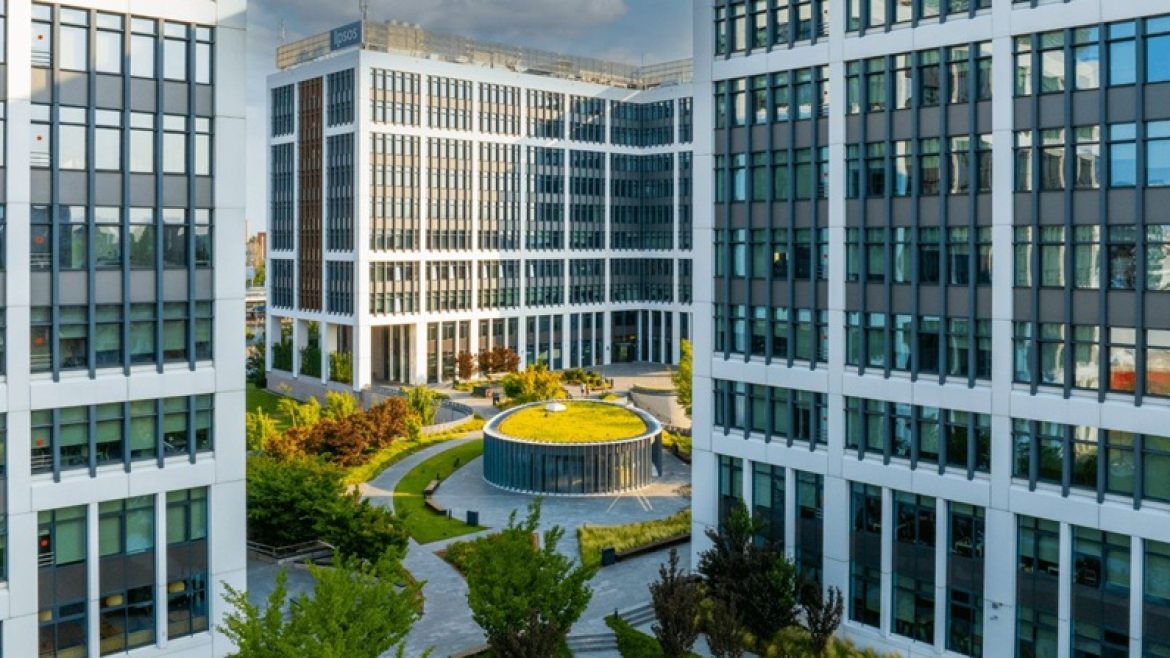
Vastint Romania, part of the VASTINT Group, announces the signing of a new leasing contract. SCOR, a leading global reinsurer who just entered the Romanian market, selected Business Garden Bucharest for its first office in Romania, where it occupies a space of 2,320 sqm.
French company SCOR offers its clients a range of reinsurance and insurance solutions and services to control and manage risk. The Group generated premiums of EUR 20.1 billion in 2024 and serves clients in more than 150 countries from its 35+ offices worldwide.
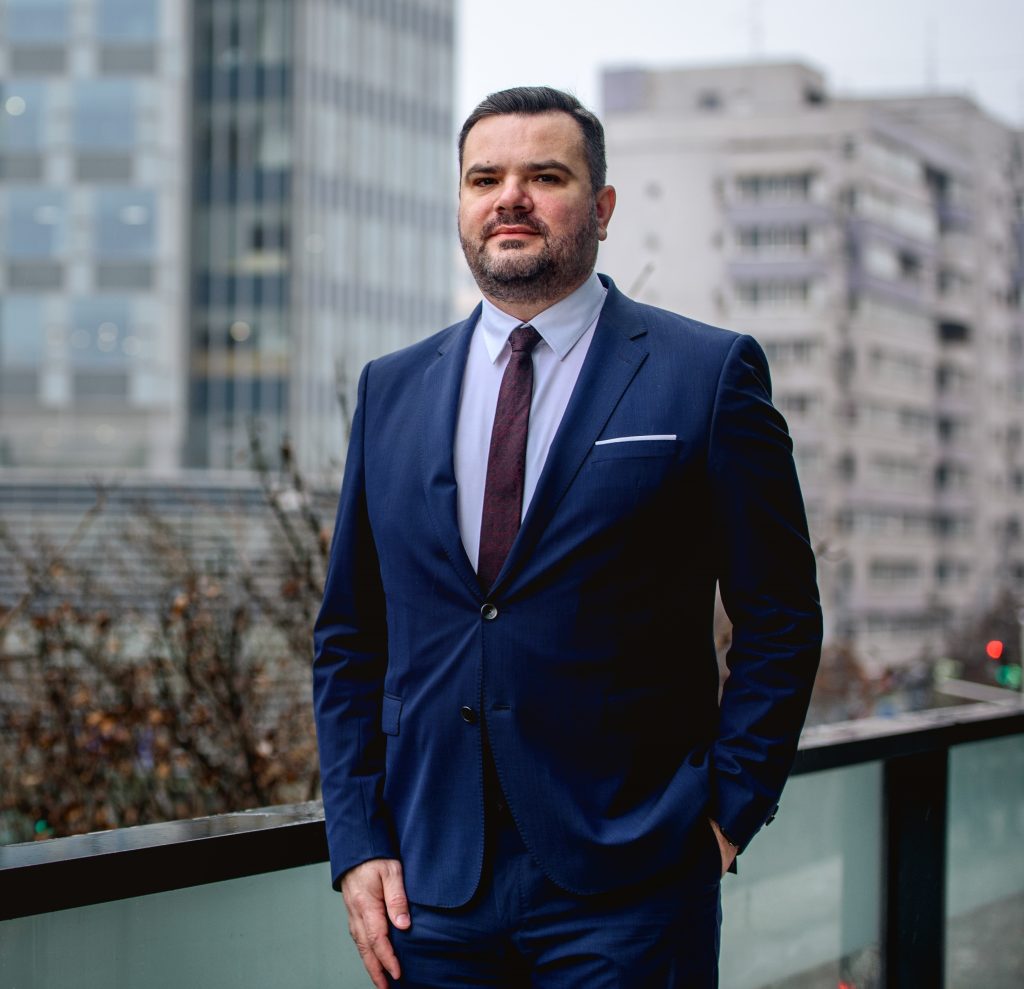
“Opening our first office in Romania is a meaningful step for SCOR and a strategic investment in our long-term capabilities. Romania stands out through its strong talent base, a fast-growing tech and data ecosystem, and a truly international, business-ready mindset. We’re excited to build our presence here and to grow a team in Bucharest that will contribute to SCOR’s broader operations and transformation agenda.”, said Andrei Romanescu, General Manager SCOR Romania.
Business Garden Bucharest, located in the Orhideea-Grozavesti area of Bucharest, has a rentable area of 43,000 sqm and tenants such as Sparkware Technologies, Sanamed, Regina Maria, Ikea, Schindler, Tchibo, Vel Pitar, Rail Cargo, Pandora.
“We’re pleased to welcome SCOR to Business Garden Bucharest as they open their first office in Romania and begin building their local presence. Today, the office is no longer only about space – it’s about experience. That’s why ‘ecosystem’ assets are increasingly in demand: office destinations that integrate amenities, services, and community features that support attendance, retention, and tenant engagement, not just an office space. At Business Garden Bucharest, we focus on exactly this blend – creating a place that works operationally, supports culture, and helps companies attract and retain people.” declared Maria Badea, Senior Leasing Manager of Vastint Romania.
Vastint’s office portfolio will expand with the upcoming Timpuri Noi Square 2 project, set for completion in Q4 2026. This development, currently one of the few office projects under construction in Bucharest, will add 60,000 sqm (GLA) and introduce two new office buildings, effectively doubling the available office and retail space within the Timpuri Noi Square complex.
2026 Trends with Dan Crăciunescu, West Grouphttps://brec.ro/wp-content/uploads/2026/02/Craciunescu_foto-scaled.jpeg900600BUCHAREST REAL ESTATE CLUBBUCHAREST REAL ESTATE CLUBhttps://brec.ro/wp-content/uploads/2026/02/Craciunescu_foto-scaled.jpeg
19.02.2026
Dan Crăciunescu, Founder, West Group
What were the main business results for 2025?
In 2025, we accelerated our growth and diversification across Romania and Germany, supported by an integrated model that combines construction, materials and development.
In the first nine months of the year, West Group recorded consolidated revenues of over €65 million, which already exceeded the annual objective we set at the beginning of 2025. We operated with over 800 colleagues across 25 active projects and our revenue mix showed a healthy diversification. The largest share came from Civil & Industrial Construction, followed by Concrete Production and then Real Estate & Logistics Development.
A major strategic step for us was the full acquisition of the iResidence residential project in August 2025, which strengthened our development platform and our ability to control delivery quality end-to-end.
What are the company’s business targets and plans for 2026?
For 2026, our target is to reach approximately €75 million in consolidated turnover. We will continue to build momentum on iResidence with a strong focus on execution discipline, regarding quality, timelines and a predictable customer journey, because in a more selective market, credibility and delivery matter more than ever.
On the materials side, through West Beton, we plan to continue modernization and regional expansion, keeping an investment envelope consistent with what we’ve been doing recently, worth over €2.5 million in 2026, similar to 2025.
In parallel, we will keep scaling and delivering complex contracts in Germany, which provide stability and volume, while continuing to strengthen our internal systems, such as procurement, planning, cost control, digitalization and sustainability, so that we remain competitive even under cost and financing pressure.
What economic pressures (e.g., inflation, interest rates, work force issues) or regulatory and fiscal changes do you anticipate impacting the market in 2026, and how is your company preparing for them?
We expect 2026 to remain shaped by inflationary pressure, high input costs, financing constraints and continued workforce and material challenges, with an added layer of uncertainty coming from the regional geopolitical context.
On top of that, the regulatory framework is becoming more demanding, and we should assume that fiscal changes and compliance requirements will continue to influence costs, timelines and the bankability of projects. Our preparation is very practical. We secure critical resources earlier, we centralize procurement to reduce exposure to volatility and we run tighter budgeting and scheduling so we can protect delivery even when conditions change.
A major change we’re addressing head-on is the shift in how residential projects are financed and how buyers and banks evaluate them under Law 207/2025. We are actively strengthening our banking partnerships and working with more structured, lender-ready financing solutions, such as pre-approved credit lines, because the market advances toward models that require stronger governance and traceability.
What do you see as the main risks for the Romanian real estate market in 2026? Where do you see the most attractive opportunities for growth in 2026?
The biggest risks are fiscal and legislative unpredictability, the higher cost of capital and tougher lending standards, and construction-cost volatility that can hit margins and deadlines at the same time. Another risk is that the market will become less forgiving, as buyers and banks will penalize low transparency, unclear legal structures and weak project discipline faster than before. This will widen the gap between projects that are truly bankable and deliverable and projects that may look attractive on paper but cannot sustain compliance, financing and execution pressure in real life.
We see opportunity where real demand meets serious execution. In residential, the attractive lane is energy-efficient product with predictable operating costs, developed and delivered by teams that can show documentation, progress and financial discipline in a way that banks and buyers can verify.
From an operating perspective, there is also strong opportunity in supply-chain adjacency, e.g. materials, concrete production and disciplined procurement, because it provides resilience and helps manage cost risk when markets are uneven.
Which players or strategies are going to be winners in 2026?
The winners in 2026 will be the players that combine three things: financial discipline, transparency and execution capability. Strategies that will outperform are those built on bankable governance, clear legal frameworks, standardized documentation, milestone-based controls and operational rigor, meaning early procurement, cost control, and strong project management. Integrated platforms that reduce supply-chain friction will also have an edge, because they allow better predictability and faster reaction when conditions change.
2026 Trends with Costin Nistor, Fortim Trusted Advisorshttps://brec.ro/wp-content/uploads/2026/02/Costin_Nistor_Fortim_Trusted_Advisors_Paribas_BNP-3-scaled.jpg621600BUCHAREST REAL ESTATE CLUBBUCHAREST REAL ESTATE CLUBhttps://brec.ro/wp-content/uploads/2026/02/Costin_Nistor_Fortim_Trusted_Advisors_Paribas_BNP-3-scaled.jpg
In 2025, our Advisory business line delivered the strongest results, especially in office leasing, real estate consultancy, valuation, and capital markets.
The largest transaction of our year was a pre-lease, build-to-suit transaction for Medicana Hospital, a new entrant to the Romanian market, covering a total area of 22,000 sqm, in Nusco City.
What are the company’s business targets and plans for 2026?
In 2026, our strategic focus is on scaling the Residential business line into a fully integrated investment platform. This includes expanding our expertise across the entire value chain, from land acquisition and feasibility analysis to planning, research, and high-performing services such as sales and marketing for residential developments.
What economic pressures (e.g., inflation, interest rates, work force issues) or regulatory and fiscal changes do you anticipate impacting the market in 2026, and how is your company preparing for them?
The biggest challenge for the Romanian real estate market remains the frequent changes in taxation and fiscal regulations, along with the cascading effects of adjustments to VAT.
These shifts have a particularly strong impact on the Property Management and Residential segments. In response, our team has adopted new, fully digitalized working tools that allow for rapid system adjustments and ensure maximum transparency for our clients, whether they are owners of commercial buildings, tenants, or investors in residential developments.
What do you see as the main risks for the Romanian real estate market in 2026? Where do you see the most attractive opportunities for growth in 2026?
The biggest risk is the unpredictability of legislation, which directly impacts financing costs. This challenge can only be mitigated once inflation decreases substantially, and the business environment becomes more stable and positive. Officials at the National Bank of Romania remain optimistic and are targeting inflation below 5% in the second half of the year, which could represent a positive signal for the real estate market.
In terms of growth opportunities, retail parks continue to stand out, both from a development and acquisition perspective. The residential segment also offers solid potential, provided there is a strong focus on careful location analysis, a clear understanding of the target audience, and well-defined customer segmentation.
Which players or strategies are going to be winners in 2026?
In real estate, the companies that succeed are those that understand the need to embrace AI and digitalization, as our industry is undergoing a profound transformation. Fortim Trusted Advisors, an alliance member of the BNP Paribas, benefits from a strong competitive advantage: our shareholders are local, and we have already made the strategic decision to integrate new technologies into our workflows. This tech-driven approach delivers speed, data transparency, and smarter outcomes, creating tangible value for both our current and future clients.
2026 Trends with Cristian Năstase, Concept Structurehttps://brec.ro/wp-content/uploads/2026/02/C.-Nastase-2-1.png578600BUCHAREST REAL ESTATE CLUBBUCHAREST REAL ESTATE CLUBhttps://brec.ro/wp-content/uploads/2026/02/C.-Nastase-2-1.png
We achieved an estimated 50–60% increase in revenue, driven by a broader mix of projects and expansion into new market segments, alongside continued involvement in large-scale, complex developments. Equally important, 2025 marked a step change in how the company operates: we successfully managed a significantly higher volume of active projects while maintaining quality, technical rigor, and delivery timelines. This was supported by a stronger internal structure, improved processes, and continued investment in people and technology. Beyond financial performance, one of the most meaningful results was the consolidation of long-term partnerships with major developers and design teams, confirming that we are capable of supporting complex projects at scale.
What are the company’s business targets and plans for 2026?
For 2026, our business targets are focused on performance, stability, and sustainable growth. Rather than pursuing growth in volume alone, our priority is to increase the quality and efficiency of our delivery while strengthening the organization internally. Our plans center on consolidating the growth achieved in 2025 by investing in people, processes, and technology. We aim to further improve project performance across all segments by enhancing collaboration, knowledge sharing, and decision-making within the team. At the same time, we plan to continue diversifying our portfolio, maintaining a balanced mix of private – public developments, of simple and complex, high-responsibility projects. Ultimately, our goal for 2026 is to build a stronger, more resilient organization—one that can consistently deliver high-quality engineering solutions while supporting the professional and personal growth of our team.
What economic pressures (e.g., inflation, interest rates, work force issues) or regulatory and fiscal changes do you anticipate impacting the market in 2026, and how is your company preparing for them?
In 2026, we expect ongoing pressure from inflation, interest rate volatility, and workforce constraints, alongside increasing regulatory and sustainability requirements. These factors are likely to impact investment timing, project costs, and delivery complexity. We are preparing by focusing on internal efficiency and resilience—investing in people, improving processes, and using digital tools to increase speed and predictability. A diversified project portfolio and a strong team culture allow us to remain flexible and respond effectively to market changes.
What do you see as the main risks for the Romanian real estate market in 2026? Where do you see the most attractive opportunities for growth in 2026?
In 2026, the main risks for the Romanian real estate market are linked to financing conditions, cost volatility, and regulatory uncertainty. Higher or unstable interest rates may delay investment decisions, while fluctuations in construction costs can impact project feasibility. In addition, increasing regulatory and permitting complexity may extend development timelines. At the same time, the most attractive opportunities for growth lie in well-located mixed-use projects, logistics and industrial developments, and the continued modernization of existing assets. Projects that prioritize efficiency, sustainability, and long-term value are likely to remain resilient, especially when supported by experienced development and engineering teams.
Which players or strategies are going to be winners in 2026?
The winners in 2026 will be players who combine financial discipline with technical excellence and adaptability. Developers and partners who can secure financing, control costs, and make informed decisions early in the project lifecycle will be best positioned to succeed. From a strategic perspective, companies that invest in strong teams, digitalization, and collaborative project models—bringing engineers, architects, and contractors together from the early stages—will gain a clear advantage. In a more selective market, long-term thinking, efficiency, and reliability will be the key differentiators.
2026 Trends with Ionel Purice, Genesis Propertyhttps://brec.ro/wp-content/uploads/2026/02/Ionel-Purice-Genesis-Property-2-1-scaled.jpg596600BUCHAREST REAL ESTATE CLUBBUCHAREST REAL ESTATE CLUBhttps://brec.ro/wp-content/uploads/2026/02/Ionel-Purice-Genesis-Property-2-1-scaled.jpg
18.02.2026
Ionel Purice, CEO, Genesis Property
What were the main business results for 2025?
2025 was a year of consolidation and validation for our long-term strategy. Despite a volatile economic environment marked by fiscal uncertainty and shifting workforce dynamics, our business results exceeded the expectations set at the beginning of the year. Demand for high-quality, flexible office environments remained resilient, particularly from companies prioritising employee experience, sustainability, and long-term stability.
A key milestone was the signing of a long-term lease agreement with Procter & Gamble Romania, a strategic commitment that reinforced YUNITY Park’s positioning as a premium business. In parallel, the continued transformation of YUNITY Park and West Gate Business District allowed us to adapt our offering to new work rhythms and cultural shifts within organisations. From a sustainability perspective, receiving in 2025 the GRESB “Green Star” rating for the second consecutive year confirmed the robustness of our ESG strategy.
Overall, 2025 demonstrated that investments in people-centric design, sustainable infrastructure, and operational excellence remain strong differentiators, even in a cautious market.
What are the company’s business targets and plans for 2026?
For 2026, our business strategy is built around three core priorities. The first is the continued development and consolidation of the YUNITY Park ecosystem, with a focus on completing new facilities and accelerating projects that support wellbeing, energy efficiency, and community engagement. These investments aim to further strengthen the campus as a fully integrated environment that supports both performance and quality of life.
The second priority is tenant attraction and retention through highly personalised services and a strong community framework. Companies are increasingly looking for partners, not just landlords, and our goal is to deliver a campus experience that integrates flexibility, technology, and sustainability.
The third strategic pillar is the advancement of our ESG performance. In 2026, we will continue to invest in decarbonisation, renewable energy, and transparent reporting, ensuring that our projects remain aligned with international sustainability standards.
What economic pressures (e.g., inflation, interest rates, work force issues) or regulatory and fiscal changes do you anticipate impacting the market in 2026, and how is your company preparing for them?
In 2026, we anticipate continued economic pressures related to inflation, financing costs, and workforce dynamics, alongside potential regulatory and fiscal adjustments affecting the real estate sector. These factors are likely to influence investment decisions, leasing timelines, and the overall predictability of business planning for many companies.
Our preparation is grounded in long-term strategic resilience rather than short-term reactions. With over two decades of experience in the premium office market, we have developed flexible strategies based on multiple scenarios, allowing us to adapt without compromising our core direction. Operational efficiency, cost optimisation, and energy independence remain central to our approach, particularly through the transition to 100% renewable energy and ongoing investments in smart building systems.
What do you see as the main risks for the Romanian real estate market in 2026?
In 2026, the Romanian real estate market will face several significant risks rooted in both macroeconomic conditions and structural challenges. One of the foremost risks is continued economic volatility, including inflationary pressure, rising financing costs, and potential shifts in interest rates, which can dampen investor confidence and slow down decision-making cycles. In such an environment, companies may postpone leasing commitments, leading to longer vacancies and increased pressure on rental growth.
Additionally, the rapid evolution of work models presents a risk for assets that fail to adapt. Office spaces that are not flexible, sustainable, or responsive to tenant expectations may struggle to attract long-term partners.
Where do you see the most attractive opportunities for growth in 2026?
In 2026, the most attractive opportunities for growth in the Romanian real estate market will lie in projects that respond directly to how work, expectations, and organisational culture are evolving. Demand is increasingly shifting toward high-quality office environments that go beyond functionality and deliver tangible value in terms of employee experience, wellbeing, and employer branding. Developments that are flexible, community-oriented, and designed around people, not just square meters, will continue to attract long-term commitment from occupiers.
We also see growth potential in projects that function as integrated ecosystems rather than isolated buildings, campuses where workspaces are complemented by green areas, social infrastructure, services, and amenities that support daily life.
Which players or strategies are going to be winners in 2026?
In 2026, the winners will be players who prioritize adaptability, long-term thinking, and genuine value creation. In real estate, this means developers who go beyond delivering square meters. Strategies focused on ESG excellence, operational efficiency, and energy resilience will gain a competitive edge as regulatory expectations increase and occupiers become more selective.
At the same time, the ability to understand and anticipate workforce needs will distinguish successful projects from those that struggle to remain relevant. Another key differentiator will be the use of technology and AI to improve building operations and user experience, without losing sight of the human dimension of work. The most successful players will balance innovation with stability, investing in future-ready solutions while maintaining affordability and long-term asset value.
2026 Trends with Ashton Topolinski, InteRo Property Developmenthttps://brec.ro/wp-content/uploads/2026/02/Ashton-Topolinski2-2.jpeg1200600BUCHAREST REAL ESTATE CLUBBUCHAREST REAL ESTATE CLUBhttps://brec.ro/wp-content/uploads/2026/02/Ashton-Topolinski2-2.jpeg
18.02.2026
Ashton Topolinski, Head of Marketing, InteRo Property Development
What were the main business results for 2025?
InteRo Property Development performed exceptionally well in 2025, it was our best year yet! Even though the geopolitical climate has not been good, we pushed forward and adjusted where we needed to continue to expand. In 2025 we started Phase 1 of SunLight Residence, 174 affordable apartments in the most northern part of Pipera and on the border of Tunari, and we plan to complete this phase this summer. We also will fully construct Phase 1 of Pajurei 3 Residence and residents will move-in July 2026. It is in the pipeline to start development of another beautiful development in 2026.
What are the company’s business targets and plans for 2026?
My partners and I plan for another building block year at InteRo Property Development. We target our business to progress on three goals – continue to scale adding another development to the pipeline this year, continue to provide a 10/10 employee workplace with a comfortable space at our Innovation Headquarters, health and medical initiatives and training to improve skills, and to exit NorthLight Residence, New Confort City and Pajurei 3 Residence on my family’s real asset investment platform.
What economic pressures (e.g., inflation, interest rates, work force issues) or regulatory and fiscal changes do you anticipate impacting the market in 2026, and how is your company preparing for them?
We have prepared for these economic pressures by strategically developing based on using our capital in the most effective ways while continuing to scale InteRo Property Development. This applies to conserving capital where we can on all fronts, from a business operations point-of-view to cost of construction materials and so forth. We value every euro, and we always have. Being financially wise is simply part of who we are as a family.
What do you see as the main risks for the Romanian real estate market in 2026? Where do you see the most attractive opportunities for growth in 2026?
My partners and I see President Trump and the geopolitical climate in the United States of America as the main risk for Europe and it could cause a trickle-down effect in Romania and other European countries. We see the most attractive opportunities to be in Europe and particularly, we see more now than ever that Bucharest, Romania is a prime city to develop in considering stable interest rates, relatively low prices compared to other European nations and the access to immediate capital we have in Romania.
Which players or strategies are going to be winners in 2026?
I think the developers that keep an eye on the market consistently and adjust their business plan based on the bankability of the development(s) and the regulations of the Nordic Law will have a competitive advantage. We believe in client protection, and we are in support of making sure our client’s funds are invested in the construction and asset ownership is provided in its entirety.
2026 Trends with Roxana Roman, Wolf Theiss Romaniahttps://brec.ro/wp-content/uploads/2026/02/Roxana-Roman--scaled.jpg1200600BUCHAREST REAL ESTATE CLUBBUCHAREST REAL ESTATE CLUBhttps://brec.ro/wp-content/uploads/2026/02/Roxana-Roman--scaled.jpg
12.02.2026
Roxana Roman, Partner, Wolf Theiss Romania
What were the main business results for 2025?
The year 2025 was defined by strong business performance and a memorable milestone: the 20th anniversary of Wolf Theiss in Romania. This moment reflects two decades of sustained growth, client confidence, and consistent execution on complex mandates. Over the years, we have cultivated a solid reputation for high quality legal services, enduring client relationships, and a culture rooted in integrity and innovation. Our involvement in numerous high profile and sophisticated transactions highlights the trust placed in us by clients and peers alike, reaffirming our position as one of Romania’s leading business law firms.
Throughout 2025, we continued this upward trajectory by advising on major, high value deals and deepening long term client partnerships. Our unwavering commitment to quality, innovation, and exceptional service further strengthened our market standing. Looking ahead, our focus remains on consolidating this strong position and driving strategic growth in Romania and across the broader CEE/SEE region. We are committed to expanding our capabilities, strengthening cross-border collaboration, and investing in areas that will enable us to deliver even greater value to clients in the years ahead.
What are the company’s business targets and plans for 2026?
In 2026, our strategic priorities focus on enhancing efficiency, productivity, and overall competitiveness across all areas of our practice. We will continue to deliver legal services with a strong emphasis on client experience, ensuring deep alignment with business priorities and commercial realities. To support our clients in an evolving market, we will remain agile, constantly assessing the business landscape and proactively adapting to emerging challenges and opportunities. A key objective for 2026 is to further strengthen Bucharest’s role as a strategic hub for regional transactions and cross‑border collaboration, leveraging our expertise and network across the CEE/SEE region. At the same time, we remain committed to maintaining the high standards, professionalism, and client‑centric approach that define our Firm. Our overarching goal is to anticipate client needs, expand our capabilities, and continue building long‑term value for the businesses we support.
What economic pressures (e.g., inflation, interest rates, work force issues) or regulatory and fiscal changes do you anticipate impacting the market in 2026, and how is your company preparing for them?
Romania’s economy, much like those of many countries in the region, continues to face vulnerability from external macroeconomic pressures. The sharp rise in inflation experienced in the last years, driven primarily by higher energy and food prices, has placed noticeable financial strain on both consumers and businesses.
At the same time, ESG considerations are becoming increasingly central to business strategy. Companies must remain attentive to evolving regulatory requirements and rising consumer expectations related to environmental responsibility, sustainability practices, and sound governance. Another critical challenge for many organizations is attracting and retaining skilled talent. To remain competitive, businesses need to monitor workforce trends, invest in professional development, and cultivate a positive workplace culture that supports long-term employee engagement.
What do you see as the main risks for the Romanian real estate market in 2026? Where do you see the most attractive opportunities for growth in 2026?
As 2026 unfolds, the Romanian real estate market finds itself navigating a landscape shaped by uncertainty and transformation. The year begins under the shadow of macroeconomic and fiscal pressures: an environment where recent tax increases, including the VAT hike on new homes, continue to ripple through the sector. These shifts have tempered market sentiment, making homes less affordable for buyers and placing additional financial strain on developers. The result: a noticeable slowdown in transactions and a more cautious approach to new investments.
Compounding these challenges are elevated financing costs. Interest rates remain high, and access to lending is tighter than in previous years. Both developers and buyers are forced to rethink their strategies, carefully weighing where and when to commit capital.
At the same time, regulatory unpredictability adds another layer of complexity. Developers increasingly face delays in permitting and administrative approval processes – factors that can shift timelines, reshape budgets, and even reconsider the viability of certain projects. In this environment, long-term planning becomes a delicate exercise in flexibility and risk management.
The residential sector, once a consistent engine of growth, enters 2026 on a slower footing. Rising construction costs, additional taxation, and a more discerning buyer base contribute to a measured pace. Demand shifts toward newer, more efficient homes.
And hovering over all these dynamics is the influence of geopolitical uncertainty. Regional tensions and external shocks continue to shape investor confidence, affecting everything from cross border capital flows to development strategies.
In 2026, several areas of the Romanian real estate market stand out as particularly promising for investors and developers. One of the strongest opportunities lies in high quality, energy efficient residential projects. Demand for modern, sustainable homes remains robust, with buyers increasingly drawn to properties that offer predictable living costs, advanced technologies, and long term environmental performance. As a result, this segment is expected to show continued resilience and stable pricing. Another area with notable potential is the office sector, particularly within premium Class A buildings. With demand gradually stabilizing and new supply limited, investors anticipate further rental growth throughout the year. Well located, high specification office spaces are likely to remain attractive long term assets. The industrial and logistics market also continues to shine as one of the most stable and dynamic sectors.
Significant opportunities are also emerging beyond Bucharest, driven by major infrastructure improvements. The anticipated completion of up to 350 km of new highways and expressways in 2026 is set to open new development corridors, strengthen secondary cities, and diversify the geographic spread of real estate investment.
2026 is shaping up to be a year of selectivity, where well structured, strategically positioned projects are expected to outperform the market. Investors who focus on fundamentals – quality, sustainability, and disciplined capital allocation – will be best positioned to seize the most attractive opportunities as the market continues to evolve
Which players or strategies are going to be winners in 2026?
The Romanian real estate market in 2026 is expected to reward players who demonstrate strategic focus, invest in high quality assets, and embrace future oriented development strategies. Those who prioritize prime locations, sustainable practices, and strong execution capabilities are likely to stand out in an increasingly competitive landscape. Demand for new, energy efficient housing remains one of the most resilient segments. Buyers are becoming more discerning, gravitating toward projects that offer predictable living costs, sustainable design, and modern technological integrations. As a result, developers committed to ESG aligned standards are expected to be among the clear winners in 2026
At the same time, the complexity of legal, regulatory, and technical requirements continues to grow. Firms – whether law firms, consultants, or developers – that can seamlessly integrate expertise across M&A, finance, regulatory matters, and real estate will be best positioned to succeed in this more intricate environment.
Bucharest bets on flexibility. Flex office deliveries triple year-on-yearhttps://brec.ro/wp-content/uploads/2026/02/Laura-Ene_iO2-scaled.jpg540600BUCHAREST REAL ESTATE CLUBBUCHAREST REAL ESTATE CLUBhttps://brec.ro/wp-content/uploads/2026/02/Laura-Ene_iO2-scaled.jpg
Bucharest’s flexible office footprint has reached 74,000 sq m across 48 locations, pushing the segment beyond 2% of the city’s modern office stock.
Supply continues to expand, with total flex stock growing 8.1% year‑on‑year in 2025, supported by a strong rebound in deliveries amounting to 5,600 sq m, marking an over 300% increase compared with the previous year.
The distribution of flex space remains highly centralised: the Centre (25%), Floreasca–Barbu Văcărescu (17%), Centre‑West (16%) and the CBD (14%) together account for 72% of Bucharest’s flex market.
Flex office asking rents in Bucharest peak in the CBD and Central areas (around €400 per person/month).
Center-West and Floreasca sit in the mid-range (€350), while Dimitrie Pompeiu and North-West Expozitiei remain the most affordable options (€250).
“The office remains a core asset for collaboration and culture, but its relevance today depends on how well it supports people and operations. Coworking spaces respond to this shift by combining location, design, amenities and technology in a way many companies struggle to build it from scratch. The coworking model does not replace the traditional lease, but gives companies the ability to test different ways of working. Once the right model is validated, committing to a long-term lease becomes both easier and safer.” Laura Ene, Senior Consultant Office Advisory iO Partners.
Building quality remains a defining advantage for occupiers, with approximately 69% of flex stock situated in Class A buildings, while green‑certified buildings account for more than 50,000 sq m of total supply.
Accessibility continues to shape occupier preference. 84% of all flex stock is positioned within one kilometre of a metro station, and nearly two‑thirds fall within a 500‑metre radius, strengthening the appeal of these locations for talent access and commuter convenience.
The local operator landscape is led by IWG, whose brands Regus and Spaces together represent 34% of market share by area, followed by Mindspace (11%), The One (10%), aSpace (9%), Hotspot (6%) and Supertree (4%). The market has welcomed several new entries, including Betahaus, V7, and OmniOffice, adding fresh concepts and diversity to the flex office landscape.
On a wider scale, the global coworking market is expected to almost double by 2029, reaching an estimated USD 51 billion in value. This growth is accompanied by a structural shift, as corporate coworking spaces expand to a 43% market share, driven by increased enterprise adoption, with 29% of global corporations leasing private suites.
In parallel, 56% of corporate-oriented coworking centers now integrate smart automation, while 47% offer advanced meeting infrastructure. As a result, the market is gradually moving away from open-desk layouts traditionally designed for freelancers or early-stage startups, toward more private, enterprise-grade workspace solutions.
For occupiers, the market now offers a mature network of flexible, modern and centrally located workspaces. For landlords, flex has become a strategic component of asset stabilisation, contributing to faster absorption and improved building performance in competitive submarkets, some landlords even operating it themselves.
2026 Trends with Mauricio Mesa Gomez, Cordia Romania & Spainhttps://brec.ro/wp-content/uploads/2026/02/Mauricio-Mesa-Gomez-Cordia-Romania--scaled.jpg1200600BUCHAREST REAL ESTATE CLUBBUCHAREST REAL ESTATE CLUBhttps://brec.ro/wp-content/uploads/2026/02/Mauricio-Mesa-Gomez-Cordia-Romania--scaled.jpg
12.02.2026
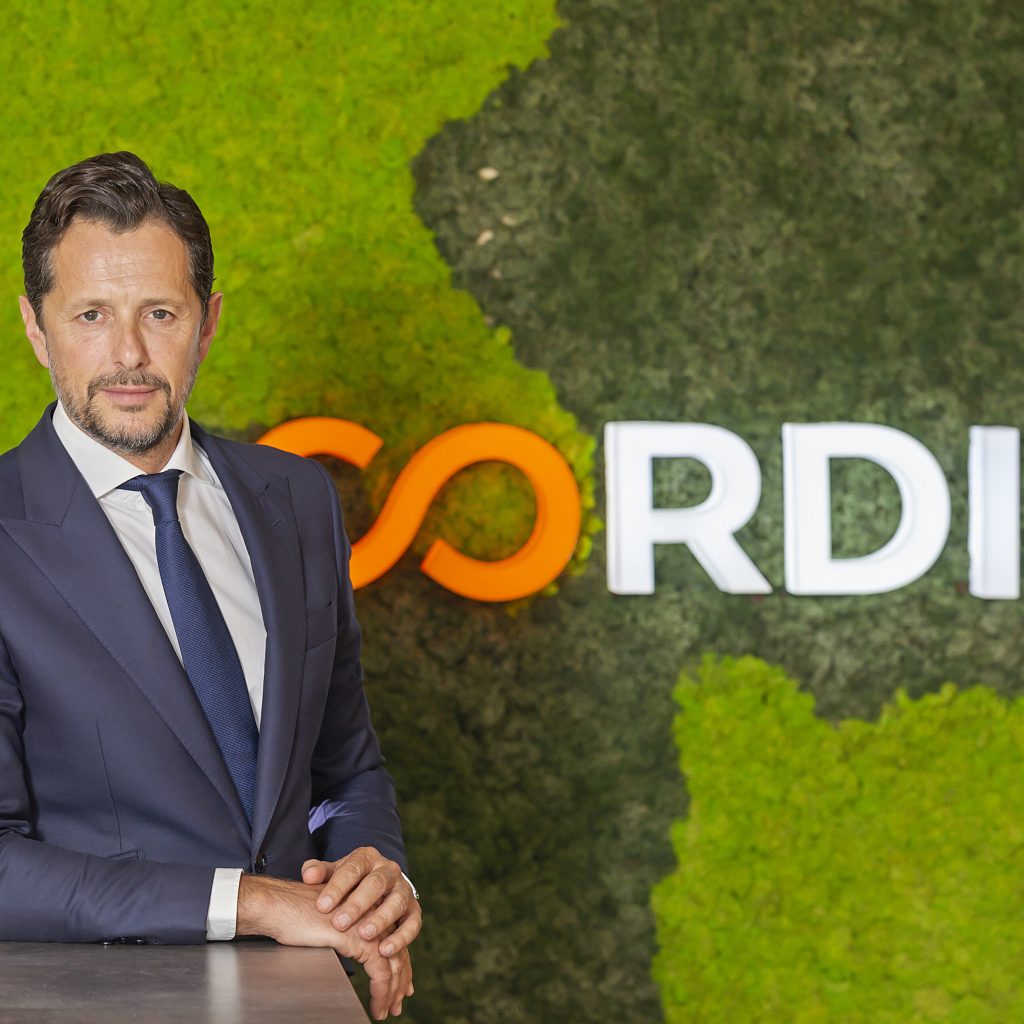
Mauricio Mesa Gomez, Chairman of the Boards Cordia Romania & Spain
What were the main business results for 2025?
In 2025, at group level, Cordia delivered growth, while in Romania our year was best described as realignment, adapting to an increased fiscal and regulatory uncertainty. A key milestone was securing a strategically located, central site in Bucharest, near Bucharest Mall and close to Alba Iulia Square, and moving into execution. Construction has already started at Centropolitan, our 274-apartment premium residential flagship project, which anchors our next development cycle in Romania.
What are the company’s business targets and plans for 2026?
Our main objective for 2026 is to regain momentum and strengthen Cordia’s presence in Romania by delivering our plans and initiating a new development cycle in Bucharest. Practically, this means advancing construction milestones for Centropolitan, positioning it as a benchmark for premium, community-oriented living in a central location, while continuing to support healthy urban regeneration and sustainable communities.
In parallel, we will keep disciplined planning and rigorous risk management as predictability remains critical for avoiding supply gaps and sharp price increases for end-users.
What economic pressures (e.g., inflation, interest rates, work force issues) or regulatory and fiscal changes do you anticipate impacting the market in 2026, and how is your company preparing for them?
We expect 2026 to continue testing the market under combined pressure from fiscal constraints, restrictive financing conditions and persistent cost inflation, alongside regional geopolitical uncertainty. On the regulatory side, new rules shaping the residential buying process will directly affect sales structuring and buyer protection mechanisms. We are preparing through scenario-based planning, strict financial discipline, tighter cost control and procurement planning, design and execution optimization for cost-efficiency and durability, and compliance readiness via internal legal/procedural reviews, stronger documentation flows to buyers and reinforced governance and internal controls.
What do you see as the main risks for the Romanian real estate market in 2026? Where do you see the most attractive opportunities for growth in 2026?
The main risks are prolonged fiscal and regulatory unpredictability, tight financing and cost pressure, which can delay investment decisions and create housing supply gaps, ultimately pushing prices higher and limiting access to quality homes. The strongest opportunities are in well-positioned, well-designed projects with solid fundamentals, especially those delivering real urban value through central locations, integrated functions, and a community-first approach aligned with how residents increasingly want to live and work in the city.
Which players or strategies are going to be winners in 2026?
Winners in 2026 will be the players delivering consistently and differentiating through quality, concept and reliability, not just price. Strategies that will stand out include productivity gains through digitalization, tighter supply-chain partnerships, smart standardization. Just as importantly, companies that embrace transparent, client-protective practices will benefit from higher trust in a market where buyers are increasingly attentive to certainty and safeguards.
2026 Trends with Romeo Ghica, Hercesa Romaniahttps://brec.ro/wp-content/uploads/2026/02/Romeo-Ghica-Hercesa-Romania-scaled.jpg1200600BUCHAREST REAL ESTATE CLUBBUCHAREST REAL ESTATE CLUBhttps://brec.ro/wp-content/uploads/2026/02/Romeo-Ghica-Hercesa-Romania-scaled.jpg
12.02.2026
Romeo Ghica, Operations Manager, Hercesa Romania
What were the main business results for 2025?
In 2025, Hercesa Romania advanced its strategy of portfolio diversification and successfully launched Vivenda Prime, strengthening our positioning while keeping delivery discipline across the pipeline. We accelerated execution at Stellaris Residencias, a 4,500-apartment masterplan, and in December we launched Stage 4 of Phase 1, building on the strong commercial performance achieved earlier in the year. Across our Bucharest portfolio, we surpassed 600 apartments under construction, including ongoing works at Stellaris and Vivenda Residencias.
At the same time, we navigated cost pressure, especially labor in specific trades, by tightening planning and procurement and staying focused on sales and delivery targets, protecting both momentum and strategic direction.
What are the company’s business targets and plans for 2026?
Our main target for 2026 is to launch a new large-scale project, supported by a new acquisition, approached prudently and sustainably, with clear risk control and financial balance. We are focused on delivering planned units in our ongoing projects, including deliveries scheduled in the first part of the year, and on preparing the next phases of our large developments. We will continue the phased delivery strategy at Stellaris, with Stage 2 of Phase 1 planned for delivery and further phases under construction, bring Vivenda Residencias through its final stage and advance a set of upgrades at Hotel Cișmigiu, including improvements to common areas and accommodation spaces, in a positive context also supported by the activation of the ground floor through the new DeSoi restaurant.
What economic pressures (e.g., inflation, interest rates, work force issues) or regulatory and fiscal changes do you anticipate impacting the market in 2026, and how is your company preparing for them?
We expect 2026 to remain shaped by construction-cost inflation (labor and utilities), financing constraints and overall consumer caution, while residential continues to act as a safe haven for many buyers in uncertain times. On the regulatory side, the most important theme is legislative and fiscal predictability. Volatility in public messaging and shifting rules can directly affect investment, financing and purchasing decisions. We also anticipate continued operational clarifications around the new buyer-protection framework, mainly in terms of procedures and interfaces with the banking/financial side.
To prepare, we are implementing a practical mix of measures, including digitalization and new technologies to improve productivity and reduce waste; closer partnerships with suppliers and contractors to increase predictability and quality consistency; selective standardization of technical solutions to reduce cost variance and speed up execution and a gradual adoption of green technologies, which are becoming easier and more affordable to integrate as the market matures. We also keep a phased development approach to manage risk in a dynamic environment.
What do you see as the main risks for the Romanian real estate market in 2026? Where do you see the most attractive opportunities for growth in 2026?
Key risks include continued cost escalation in labor, utilities and financing; uncertainty in the fiscal and legislative environment, which can delay decisions across the market and a market where rents no longer accelerate as in previous years, compressing yields and making investor-buyers more selective, potentially impacting absorption in certain segments. Regional geopolitical tensions remain an additional background risk that can amplify prudence and volatility.
Opportunities are strongest where the market is maturing toward quality-led differentiation. Buyers increasingly compare projects by execution quality and delivered value, not only by price. Another opportunity comes from public infrastructure investment, including European-funded projects. Public transport upgrades, boulevards and metro development can directly improve accessibility and raise the attractiveness of urban areas, supporting well-positioned residential projects. Finally, the increasing feasibility of green technologies can enhance product competitiveness as they become more standard across the industry.
Which players or strategies are going to be winners in 2026?
Winners in 2026 will be the players delivering consistently and differentiating through quality, concept and reliability, not just price. Strategies that will stand out include productivity gains through digitalization, tighter supply-chain partnerships, smart standardization. Just as importantly, companies that embrace transparent, client-protective practices will benefit from higher trust in a market where buyers are increasingly attentive to certainty and safeguards.