




Hercesa Romania

2026 Trends with Roxana Roman, Wolf Theiss Romania

2026 Trends with Roxana Roman, Wolf Theiss Romania 1200 600 BUCHAREST REAL ESTATE CLUB

12.02.2026

Roxana Roman, Partner, Wolf Theiss Romania

What were the main business results for 2025?

The year 2025 was defined by strong business performance and a memorable milestone: the 20th anniversary of Wolf Theiss in Romania. This moment reflects two decades of sustained growth, client confidence, and consistent execution on complex mandates. Over the years, we have cultivated a solid reputation for high quality legal services, enduring client relationships, and a culture rooted in integrity and innovation. Our involvement in numerous high profile and sophisticated transactions highlights the trust placed in us by clients and peers alike, reaffirming our position as one of Romania’s leading business law firms.

Throughout 2025, we continued this upward trajectory by advising on major, high value deals and deepening long term client partnerships. Our unwavering commitment to quality, innovation, and exceptional service further strengthened our market standing. Looking ahead, our focus remains on consolidating this strong position and driving strategic growth in Romania and across the broader CEE/SEE region. We are committed to expanding our capabilities, strengthening cross-border collaboration, and investing in areas that will enable us to deliver even greater value to clients in the years ahead.

What are the company’s business targets and plans for 2026?

In 2026, our strategic priorities focus on enhancing efficiency, productivity, and overall competitiveness across all areas of our practice. We will continue to deliver legal services with a strong emphasis on client experience, ensuring deep alignment with business priorities and commercial realities. To support our clients in an evolving market, we will remain agile, constantly assessing the business landscape and proactively adapting to emerging challenges and opportunities. A key objective for 2026 is to further strengthen Bucharest’s role as a strategic hub for regional transactions and cross‑border collaboration, leveraging our expertise and network across the CEE/SEE region. At the same time, we remain committed to maintaining the high standards, professionalism, and client‑centric approach that define our Firm. Our overarching goal is to anticipate client needs, expand our capabilities, and continue building long‑term value for the businesses we support.

What economic pressures (e.g., inflation, interest rates, work force issues) or regulatory and fiscal changes do you anticipate impacting the market in 2026, and how is your company preparing for them?

Romania’s economy, much like those of many countries in the region, continues to face vulnerability from external macroeconomic pressures. The sharp rise in inflation experienced in the last years, driven primarily by higher energy and food prices, has placed noticeable financial strain on both consumers and businesses.

At the same time, ESG considerations are becoming increasingly central to business strategy. Companies must remain attentive to evolving regulatory requirements and rising consumer expectations related to environmental responsibility, sustainability practices, and sound governance. Another critical challenge for many organizations is attracting and retaining skilled talent. To remain competitive, businesses need to monitor workforce trends, invest in professional development, and cultivate a positive workplace culture that supports long-term employee engagement.

What do you see as the main risks for the Romanian real estate market in 2026? Where do you see the most attractive opportunities for growth in 2026?

As 2026 unfolds, the Romanian real estate market finds itself navigating a landscape shaped by uncertainty and transformation. The year begins under the shadow of macroeconomic and fiscal pressures: an environment where recent tax increases, including the VAT hike on new homes, continue to ripple through the sector. These shifts have tempered market sentiment, making homes less affordable for buyers and placing additional financial strain on developers. The result: a noticeable slowdown in transactions and a more cautious approach to new investments.

Compounding these challenges are elevated financing costs. Interest rates remain high, and access to lending is tighter than in previous years. Both developers and buyers are forced to rethink their strategies, carefully weighing where and when to commit capital.

At the same time, regulatory unpredictability adds another layer of complexity. Developers increasingly face delays in permitting and administrative approval processes – factors that can shift timelines, reshape budgets, and even reconsider the viability of certain projects. In this environment, long-term planning becomes a delicate exercise in flexibility and risk management.

The residential sector, once a consistent engine of growth, enters 2026 on a slower footing. Rising construction costs, additional taxation, and a more discerning buyer base contribute to a measured pace. Demand shifts toward newer, more efficient homes.

And hovering over all these dynamics is the influence of geopolitical uncertainty. Regional tensions and external shocks continue to shape investor confidence, affecting everything from cross border capital flows to development strategies.

In 2026, several areas of the Romanian real estate market stand out as particularly promising for investors and developers. One of the strongest opportunities lies in high quality, energy efficient residential projects. Demand for modern, sustainable homes remains robust, with buyers increasingly drawn to properties that offer predictable living costs, advanced technologies, and long term environmental performance. As a result, this segment is expected to show continued resilience and stable pricing. Another area with notable potential is the office sector, particularly within premium Class A buildings. With demand gradually stabilizing and new supply limited, investors anticipate further rental growth throughout the year. Well located, high specification office spaces are likely to remain attractive long term assets. The industrial and logistics market also continues to shine as one of the most stable and dynamic sectors.

Significant opportunities are also emerging beyond Bucharest, driven by major infrastructure improvements. The anticipated completion of up to 350 km of new highways and expressways in 2026 is set to open new development corridors, strengthen secondary cities, and diversify the geographic spread of real estate investment.

2026 is shaping up to be a year of selectivity, where well structured, strategically positioned projects are expected to outperform the market. Investors who focus on fundamentals – quality, sustainability, and disciplined capital allocation – will be best positioned to seize the most attractive opportunities as the market continues to evolve

Which players or strategies are going to be winners in 2026?

The Romanian real estate market in 2026 is expected to reward players who demonstrate strategic focus, invest in high quality assets, and embrace future oriented development strategies. Those who prioritize prime locations, sustainable practices, and strong execution capabilities are likely to stand out in an increasingly competitive landscape. Demand for new, energy efficient housing remains one of the most resilient segments. Buyers are becoming more discerning, gravitating toward projects that offer predictable living costs, sustainable design, and modern technological integrations. As a result, developers committed to ESG aligned standards are expected to be among the clear winners in 2026

At the same time, the complexity of legal, regulatory, and technical requirements continues to grow. Firms – whether law firms, consultants, or developers – that can seamlessly integrate expertise across M&A, finance, regulatory matters, and real estate will be best positioned to succeed in this more intricate environment.
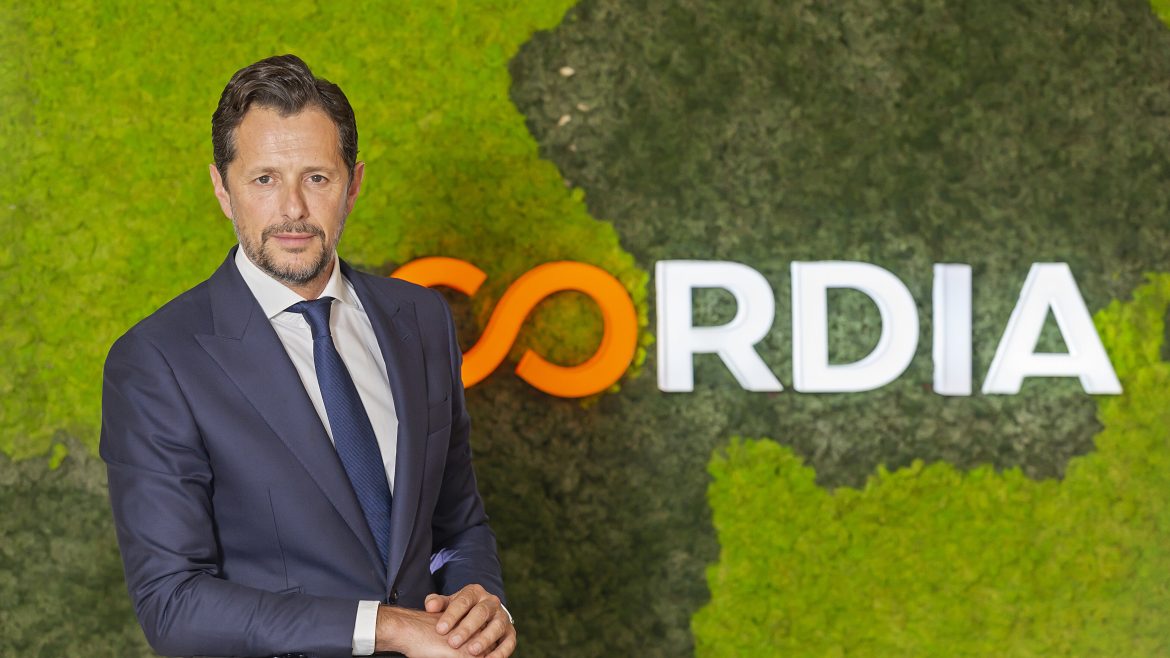
2026 Trends with Mauricio Mesa Gomez, Cordia Romania & Spain

2026 Trends with Mauricio Mesa Gomez, Cordia Romania & Spain 1200 600 BUCHAREST REAL ESTATE CLUB

12.02.2026

Mauricio Mesa Gomez, Chairman of the Boards Cordia Romania & Spain

What were the main business results for 2025?

In 2025, at group level, Cordia delivered growth, while in Romania our year was best described as realignment, adapting to an increased fiscal and regulatory uncertainty. A key milestone was securing a strategically located, central site in Bucharest, near Bucharest Mall and close to Alba Iulia Square, and moving into execution. Construction has already started at Centropolitan, our 274-apartment premium residential flagship project, which anchors our next development cycle in Romania.

What are the company’s business targets and plans for 2026?

Our main objective for 2026 is to regain momentum and strengthen Cordia’s presence in Romania by delivering our plans and initiating a new development cycle in Bucharest. Practically, this means advancing construction milestones for Centropolitan, positioning it as a benchmark for premium, community-oriented living in a central location, while continuing to support healthy urban regeneration and sustainable communities.

In parallel, we will keep disciplined planning and rigorous risk management as predictability remains critical for avoiding supply gaps and sharp price increases for end-users.

What economic pressures (e.g., inflation, interest rates, work force issues) or regulatory and fiscal changes do you anticipate impacting the market in 2026, and how is your company preparing for them?

We expect 2026 to continue testing the market under combined pressure from fiscal constraints, restrictive financing conditions and persistent cost inflation, alongside regional geopolitical uncertainty. On the regulatory side, new rules shaping the residential buying process will directly affect sales structuring and buyer protection mechanisms. We are preparing through scenario-based planning, strict financial discipline, tighter cost control and procurement planning, design and execution optimization for cost-efficiency and durability, and compliance readiness via internal legal/procedural reviews, stronger documentation flows to buyers and reinforced governance and internal controls.

What do you see as the main risks for the Romanian real estate market in 2026? Where do you see the most attractive opportunities for growth in 2026?

The main risks are prolonged fiscal and regulatory unpredictability, tight financing and cost pressure, which can delay investment decisions and create housing supply gaps, ultimately pushing prices higher and limiting access to quality homes. The strongest opportunities are in well-positioned, well-designed projects with solid fundamentals, especially those delivering real urban value through central locations, integrated functions, and a community-first approach aligned with how residents increasingly want to live and work in the city.

Which players or strategies are going to be winners in 2026?

Winners in 2026 will be the players delivering consistently and differentiating through quality, concept and reliability, not just price. Strategies that will stand out include productivity gains through digitalization, tighter supply-chain partnerships, smart standardization. Just as importantly, companies that embrace transparent, client-protective practices will benefit from higher trust in a market where buyers are increasingly attentive to certainty and safeguards.


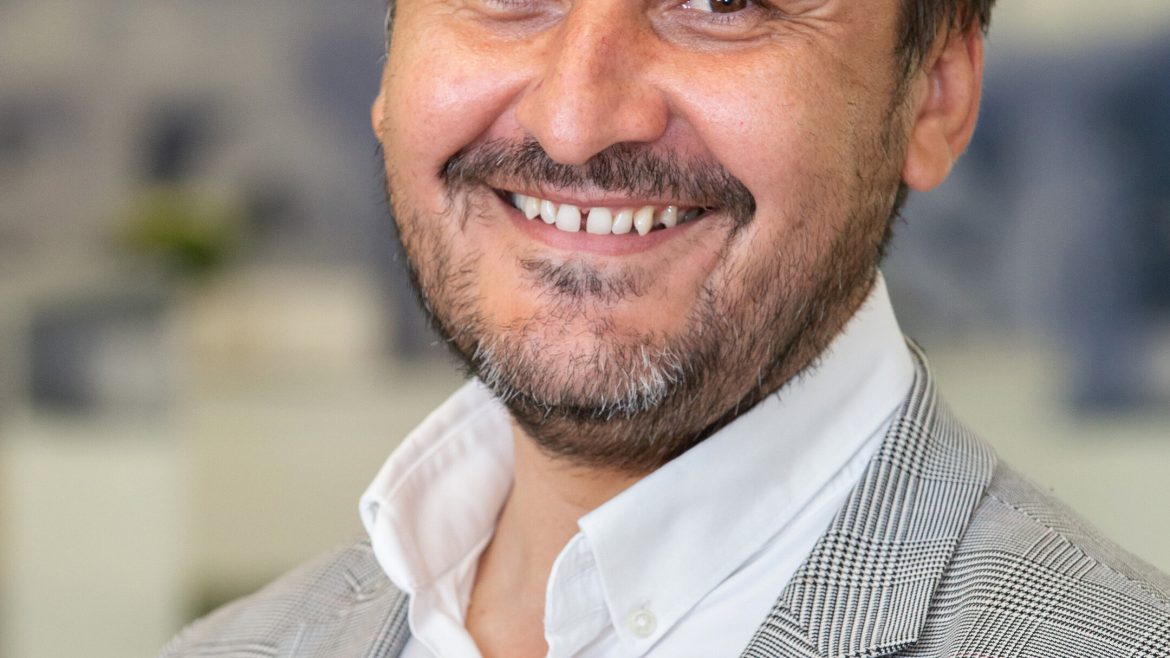
2026 Trends with Romeo Ghica, Hercesa Romania

2026 Trends with Romeo Ghica, Hercesa Romania 1200 600 BUCHAREST REAL ESTATE CLUB

12.02.2026

Romeo Ghica, Operations Manager, Hercesa Romania

What were the main business results for 2025?

In 2025, Hercesa Romania advanced its strategy of portfolio diversification and successfully launched Vivenda Prime, strengthening our positioning while keeping delivery discipline across the pipeline. We accelerated execution at Stellaris Residencias, a 4,500-apartment masterplan, and in December we launched Stage 4 of Phase 1, building on the strong commercial performance achieved earlier in the year. Across our Bucharest portfolio, we surpassed 600 apartments under construction, including ongoing works at Stellaris and Vivenda Residencias.

At the same time, we navigated cost pressure, especially labor in specific trades, by tightening planning and procurement and staying focused on sales and delivery targets, protecting both momentum and strategic direction.

What are the company’s business targets and plans for 2026?

Our main target for 2026 is to launch a new large-scale project, supported by a new acquisition, approached prudently and sustainably, with clear risk control and financial balance. We are focused on delivering planned units in our ongoing projects, including deliveries scheduled in the first part of the year, and on preparing the next phases of our large developments. We will continue the phased delivery strategy at Stellaris, with Stage 2 of Phase 1 planned for delivery and further phases under construction, bring Vivenda Residencias through its final stage and advance a set of upgrades at Hotel Cișmigiu, including improvements to common areas and accommodation spaces, in a positive context also supported by the activation of the ground floor through the new DeSoi restaurant.

What economic pressures (e.g., inflation, interest rates, work force issues) or regulatory and fiscal changes do you anticipate impacting the market in 2026, and how is your company preparing for them?

We expect 2026 to remain shaped by construction-cost inflation (labor and utilities), financing constraints and overall consumer caution, while residential continues to act as a safe haven for many buyers in uncertain times. On the regulatory side, the most important theme is legislative and fiscal predictability. Volatility in public messaging and shifting rules can directly affect investment, financing and purchasing decisions. We also anticipate continued operational clarifications around the new buyer-protection framework, mainly in terms of procedures and interfaces with the banking/financial side.

To prepare, we are implementing a practical mix of measures, including digitalization and new technologies to improve productivity and reduce waste; closer partnerships with suppliers and contractors to increase predictability and quality consistency; selective standardization of technical solutions to reduce cost variance and speed up execution and a gradual adoption of green technologies, which are becoming easier and more affordable to integrate as the market matures. We also keep a phased development approach to manage risk in a dynamic environment.

What do you see as the main risks for the Romanian real estate market in 2026? Where do you see the most attractive opportunities for growth in 2026?

Key risks include continued cost escalation in labor, utilities and financing; uncertainty in the fiscal and legislative environment, which can delay decisions across the market and a market where rents no longer accelerate as in previous years, compressing yields and making investor-buyers more selective, potentially impacting absorption in certain segments. Regional geopolitical tensions remain an additional background risk that can amplify prudence and volatility.

Opportunities are strongest where the market is maturing toward quality-led differentiation. Buyers increasingly compare projects by execution quality and delivered value, not only by price. Another opportunity comes from public infrastructure investment, including European-funded projects. Public transport upgrades, boulevards and metro development can directly improve accessibility and raise the attractiveness of urban areas, supporting well-positioned residential projects. Finally, the increasing feasibility of green technologies can enhance product competitiveness as they become more standard across the industry.

Which players or strategies are going to be winners in 2026?

Winners in 2026 will be the players delivering consistently and differentiating through quality, concept and reliability, not just price. Strategies that will stand out include productivity gains through digitalization, tighter supply-chain partnerships, smart standardization. Just as importantly, companies that embrace transparent, client-protective practices will benefit from higher trust in a market where buyers are increasingly attentive to certainty and safeguards.

BREC AWARDS 2025: QUALITY LIVING AWARD

BREC AWARDS 2025: QUALITY LIVING AWARD 901 600 BUCHAREST REAL ESTATE CLUB

The annual BREC Christmas Party was a great opportunity to inaugurate BREC AWARDS, a new initiative designed to bring recognition to BREC members for their activity throughout the year in the real estate industry.

BREC AWARDS is our way to honour the visionaries who transform cities, redefine communities, and set new standards of excellence. BREC AWARDS has given us the opportunity to look closely at each member’s work in 2025 and highlight the investments, transactions, and companies that bring greater maturity and professionalism to the Romanian real estate industry.

QUALITY LIVING AWARD- AFI ROMANIA

PIONEERING THE BUILD-TO-RENT SECTOR – AFI HOME NORTH

AFI ROMANIA has long been known for its activity in ​​​​the management of shopping centers and office buildings. However, the company has turned its attention to a sector where not many investors look: residential build to rent.

AFI Home North was completed in early 2025, introducing a new way of life: fully furnished apartments, pet-friendly and with a series of facilities such as a gym or coworking center.

For the pioneering work they do in this field but also for raising the standards in the process of renting a home, we grant AFI ROMANIA the QUALITY LIVING AWARD.

QUALITY PERFORMANCE I LIVING AWARD – AKCENT CITY

OUTSTANDINGN SALES

Akcent City represents a large-scale development of 723 residential units, 900 parking spaces and 4,000 sq m of green spaces, in the area of the Jiului metro station.

We award Akcent City for sales performance: over 90% pre-contracted prior to completion.

QUALITY LIVING AWARD – CLOUD 9 EVOLUTION

BUILDING SUSTAINABLE COMMUNITIES THROUGH INVESTMENTS IN EDUCATIONAL INFRASTRUCTURE 

Built following an investment of 90 million Euros, on an area of ​​3.2 hectares, Cloud 9 Evolution will include over 1,000 apartments & parking spaces, as well as a wide range of integrated facilities.

We are happy to see that today residential projects are no longer just about apartments, but also dedicated infrastructure, facilities and green spaces. CLOUD 9 EVOLUTION allocates 3 million Euros for a new school with 10 classrooms, 4 laboratories, library, gym, medical office and administrative spaces.

QUALITY LIVING AWARD – HILS SUNRISE

A NEW BENCHMARK IN EASTERN BUCHAREST

HILS Development is developing HILS Sunrise, the first pre-certified Green Homes complex in eastern Bucharest.

HILS Sunrise implements the most of sustainable measures and solutions, improving the living conditions of the future community. Spread over an area of ​​15,000 sq m, HILS Sunrise will include 4 buildings, with 704 new apartments and 732 parking spaces. With a completion date of 2026, the project will benefit from the most integrated network of facilities, developed to date in HILS projects.

QUALITY LIVING AWARD – INTERO PROPERTY DEVELOPMENT

RESHAPING THE OBOR AREA

InteRo Property Development is a family office, founded in 2006 by Michael Topolinski, and later joined by his 3 children.

The investor is working on his most complex project, SkyLight Residece, which will modernize the Obor area. In total, the development will include 2,200 apartments, 115,000 sq m of offices, 8,540 sq m of commercial space and 28,000 sq m of green spaces. The first phase, with 551 apartments, is scheduled for completion in 2027.

We are granting the QUALITY LIVING AWARD for reshaping the Obor area.

QUALITY LIVING AWARD – HERCESA ROMANIA

TWO-DECADE PROPERTY LEADERSHIP

This year marked a double anniversary for the Spanish group Hercesa: 50 years since its foundation and 20 years of activity on the Romanian market. With 50 million square meters of land under management and 500 professionals within the group, Hercesa has delivered 30,000 homes in those 50 years.

In Romania, the investor completed 1,200 housing units and saved the Cismigiu Hotel from degradation, transforming it into a landmark in the center of Bucharest.

QUALITY LIVING AWARD – BHB PROPERTIES

THE COMMITMENT TO CREATE LIFESTYLE-CENTERED COMMUNITIES – BHB AVENUE

BHB Properties completed this year in the North area BHB Avenue: a premium project, offering high quality services: an urban garden, spa area or concierge services.

For the commitment and determination to create communities around shared values we are granting the QUALITY LIVING AWARD to BHB Properties.

QUALITY LIVING AWARD – IMPACT DEVELOPER & CONTRACTOR

INTEGRATED VISION FOR EXPANDING ACCESSIBLE HOUSING ACROSS THE COUNTRY

Impact Developer & Contractor is the developer with the longest experience on the real estate market in Bucharest: over 30 years and the first real estate company listed on the BVB in 1996. With such a history, the company has gone through all kinds of turbulent periods but has always successfully overcome numerous challenges.

And in 2025 they announce an ambitious plan: investments of almost 2 billion Euros for almost 10,000 new residential units in Bucharest, Constanta and Iasi.

For their vision to expand the concept of affordable housing nationwide we are granting the QUALITY LIVING AWARD.

QUALITY LIVING AWARD – CORDIA

CONTINUITY IN INVESTMENTS ON THE ROMANIAN MARKET

Cordia is one of the leading residential developers in Central and Eastern Europe, with a strong presence in Hungary, Spain, Romania and other key markets. The company’s portfolio includes over 11,000 apartments sold and 2,500 units under construction.

In Romania, Cordia has completed the Parcului20 project and is preparing to launch new residential developments in Bucharest, focused on energy efficiency and long-term value.

QUALITY LIVING AWARD – SEMA REAL ESTATE

VISIONARY URBAN INTEGRATION – SEMA HOME 

The vision for the development of the former industrial platform Semanatoarea is already almost 20 years old. This is where the initial investments in the office sector appeared.

We are glad to see that the owner also includes the residential component, with commercial facilities, through the recent launch of SEMA HOME.

For the vision of integrated development in the Semanatoarea area we are granting the QUALITY LIVING AWARD at BREC AWARDS 2025.

QUALITY LIVING AWARD – ATRIA URBAN RESORT

AFFORDABLE HOUSING IN NORTHERN BUCHAREST

Atria Urban Resort is a project developed in partnership by Cityring Development and Evergent Investments. Atria spreads over 6.5 hectares, near Lake Străulești, has a low-density concept, with a GF+4 regime, green spaces designed according to an integrated concept, swimming pools and playgrounds for children.

The project proves that affordable housing can be built in the northern area, seen more as an area for high-priced units.

QUALITY LIVING AWARD  – WEST GROUP

BEST INTEGRATED REAL ESTATE & CONSTRUCTION DEVELOPER

With an impressive portfolio of completed projects, WEST GROUP’s activity covers both industrial and residential constructions, as well as logistics and real estate solutions.

The group has over 800 employees and operates with 4 key divisions: West Construct, West Beton, West Logistik and West Imobiliare.

In Romania they have acquired the iResidence project and are preparing new investments.

QUALITY LIVING AWARD – DELTA STUDIO

KEY ROLE IN DEVELOPMENT OF THE RESIDENTIAL SECTOR THROUGH DESIGN EDUCATION

Delta Studio was founded in 1996 and has become a provider of integrated interior solutions for architects, designers, developers and end customers.

At BREC AWARDS 2025 we recognize their merits in terms of education in the field of interior design, they are the ones who campaigned for collaboration with professional designers when this seemed more like a caprice.

QUALITY LIVING AWARD – IMOBILIARE.RO

TRANSPARENCY FOR A MORE MATURE MARKET

Imobiliare.ro with a 25-year history, started as an listings site and has become today probably one of the main sources of qualified leads for many developers, but also the actor that brings transparency where it is most needed – housing prices.

At BREC 2025 we are awarding the company for their efforts to mature this sector through transparency.

2025 Trends with Alejandro Solano, Hercesa România

2025 Trends with Alejandro Solano, Hercesa România 1200 600 BUCHAREST REAL ESTATE CLUB

24.02.2025

Alejandro Solano, General Manager of Hercesa Internacional

What were the main business results for 2024?

Hercesa România had a strong performance in 2024, achieving significant milestones in its key projects, Stellaris Residencias and Vivenda Residencias. In the Stellaris project, the company obtained the occupancy permit for the 129 apartments in the first building of the first phase and began delivering units to clients. Construction of the second building started in April 2024. In Vivenda Residencias, the company received the occupancy permit for Block L, comprising 80 apartments with three and four rooms, and commenced construction on Block D, which will include 400 apartments and will be completed in 2026. Despite rising construction costs and financial challenges, Hercesa successfully managed to balance costs and product quality while integrating energy efficient solutions, consolidating its position in the Romanian real estate market.

What are the company’s business targets and plans for 2025?

In 2025, Hercesa România aims to expand its footprint in the Romanian real estate market while maintaining its focus on quality, durability and energy efficiency. The company will continue construction on the second building of Stellaris and Block D in Vivenda, adding over 500 apartments to the market. A key priority is the expansion of energy-efficient housing solutions, including smart home systems, sustainable materials, and advanced heating and cooling systems. These will no longer be optional but will become part of the standard offering in selected new developments. Additionally, the company is exploring new real estate segments, particularly in the suburban areas of Bucharest, where demand for modern, energy-efficient homes is rising. Hercesa is also actively seeking new land acquisitions in Sector 6 and near the Vivenda area. Moreover, the company is evaluating potential investments in logistics and infrastructure projects, responding to the growing demand for modern logistics spaces.

What are the main challenges & opportunities for the real estate market in 2025?

The Romanian real estate market in 2025 will face several challenges, including rising housing costs driven by inflation, the implementation of new smart technologies and increasing building material prices. However, this also presents an opportunity, as buyers are shifting their focus from price alone to factors such as quality, location, and long-term durability. Developers who integrate modern, energy-efficient solutions and smart home technologies will gain a competitive edge. Additionally, the demand for housing in Bucharest remains high, driven by urban migration, population growth, and the need to upgrade the aging housing stock. The necessity to modernize buildings, improve seismic resistance, and enhance energy efficiency will be key factors shaping the market in 2025.

What economic pressures (e.g., inflation, material costs) or regulatory changes do you anticipate impacting the market in 2025, and how is your company preparing for them?

In 2025, the real estate market is expected to face ongoing economic pressures, including inflation, rising building material costs, and regulatory changes that could impact project execution. Higher construction costs and stricter taxation and compliance requirements will make project management more complex, potentially leading to market consolidation as weaker players exit the sector. However, this shift could contribute to a more stable and quality-driven industry.

To navigate these challenges, Hercesa România is implementing a cost-control strategy while maintaining a strong focus on product quality and sustainability. The company is committed to avoiding opportunistic price increases, ensuring that any cost adjustments are justified by improvements in quality standards and energy efficiency. Looking at the long term, Hercesa sees stability and structured growth as key factors in an evolving market. By integrating sustainable building practices and maintaining financial discipline, the company aims to deliver high-quality, modern homes while adapting to the economic and regulatory complexities of 2025.