



Vastint Romania

2026 Trends with Mauricio Mesa Gomez, Cordia Romania & Spain

2026 Trends with Mauricio Mesa Gomez, Cordia Romania & Spain 1200 600 BUCHAREST REAL ESTATE CLUB

12.02.2026

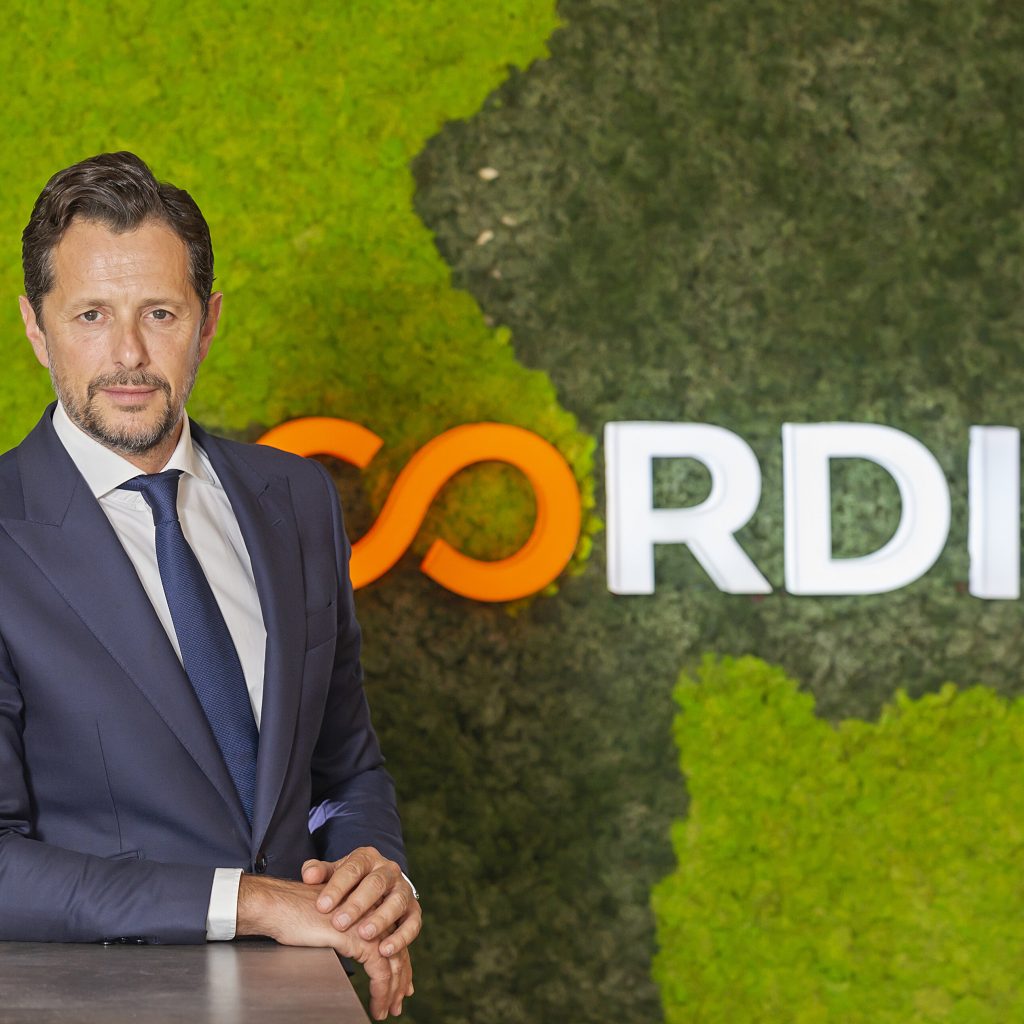
Mauricio Mesa Gomez, Chairman of the Boards Cordia Romania & Spain

What were the main business results for 2025?

In 2025, at group level, Cordia delivered growth, while in Romania our year was best described as realignment, adapting to an increased fiscal and regulatory uncertainty. A key milestone was securing a strategically located, central site in Bucharest, near Bucharest Mall and close to Alba Iulia Square, and moving into execution. Construction has already started at Centropolitan, our 274-apartment premium residential flagship project, which anchors our next development cycle in Romania.

What are the company’s business targets and plans for 2026?

Our main objective for 2026 is to regain momentum and strengthen Cordia’s presence in Romania by delivering our plans and initiating a new development cycle in Bucharest. Practically, this means advancing construction milestones for Centropolitan, positioning it as a benchmark for premium, community-oriented living in a central location, while continuing to support healthy urban regeneration and sustainable communities.

In parallel, we will keep disciplined planning and rigorous risk management as predictability remains critical for avoiding supply gaps and sharp price increases for end-users.

What economic pressures (e.g., inflation, interest rates, work force issues) or regulatory and fiscal changes do you anticipate impacting the market in 2026, and how is your company preparing for them?

We expect 2026 to continue testing the market under combined pressure from fiscal constraints, restrictive financing conditions and persistent cost inflation, alongside regional geopolitical uncertainty. On the regulatory side, new rules shaping the residential buying process will directly affect sales structuring and buyer protection mechanisms. We are preparing through scenario-based planning, strict financial discipline, tighter cost control and procurement planning, design and execution optimization for cost-efficiency and durability, and compliance readiness via internal legal/procedural reviews, stronger documentation flows to buyers and reinforced governance and internal controls.

What do you see as the main risks for the Romanian real estate market in 2026? Where do you see the most attractive opportunities for growth in 2026?

The main risks are prolonged fiscal and regulatory unpredictability, tight financing and cost pressure, which can delay investment decisions and create housing supply gaps, ultimately pushing prices higher and limiting access to quality homes. The strongest opportunities are in well-positioned, well-designed projects with solid fundamentals, especially those delivering real urban value through central locations, integrated functions, and a community-first approach aligned with how residents increasingly want to live and work in the city.

Which players or strategies are going to be winners in 2026?

Winners in 2026 will be the players delivering consistently and differentiating through quality, concept and reliability, not just price. Strategies that will stand out include productivity gains through digitalization, tighter supply-chain partnerships, smart standardization. Just as importantly, companies that embrace transparent, client-protective practices will benefit from higher trust in a market where buyers are increasingly attentive to certainty and safeguards.

 

2026 Trends with Romeo Ghica, Hercesa Romania

2026 Trends with Romeo Ghica, Hercesa Romania 1200 600 BUCHAREST REAL ESTATE CLUB

12.02.2026

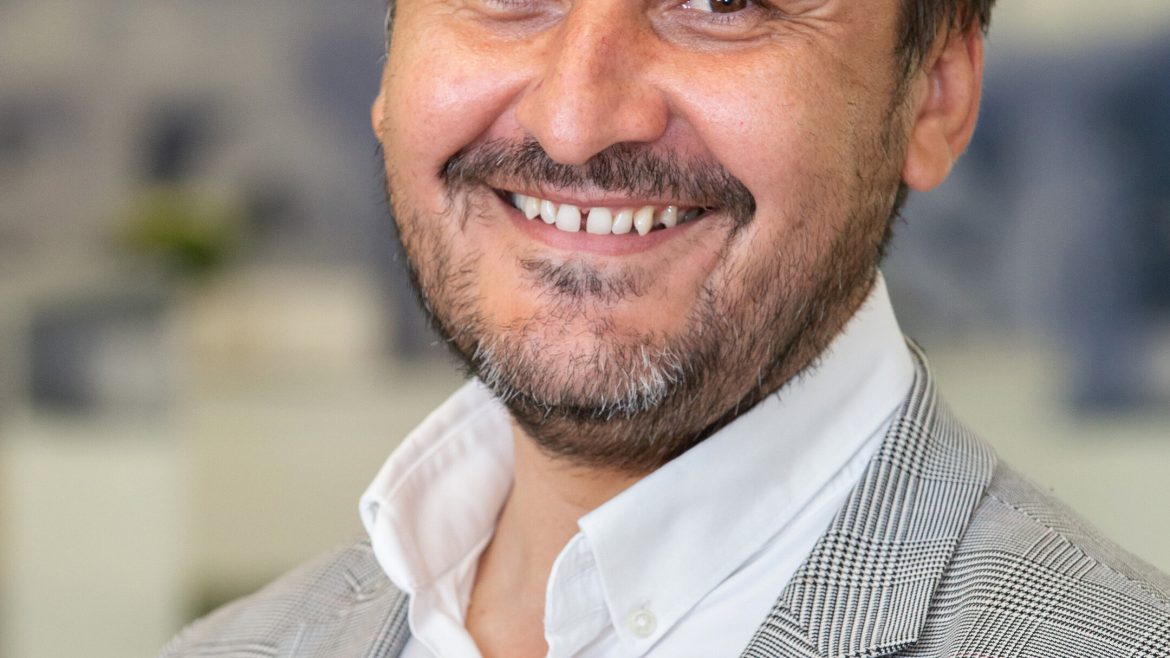
Romeo Ghica, Operations Manager, Hercesa Romania

What were the main business results for 2025?

In 2025, Hercesa Romania advanced its strategy of portfolio diversification and successfully launched Vivenda Prime, strengthening our positioning while keeping delivery discipline across the pipeline. We accelerated execution at Stellaris Residencias, a 4,500-apartment masterplan, and in December we launched Stage 4 of Phase 1, building on the strong commercial performance achieved earlier in the year. Across our Bucharest portfolio, we surpassed 600 apartments under construction, including ongoing works at Stellaris and Vivenda Residencias.

At the same time, we navigated cost pressure, especially labor in specific trades, by tightening planning and procurement and staying focused on sales and delivery targets, protecting both momentum and strategic direction.

What are the company’s business targets and plans for 2026?

Our main target for 2026 is to launch a new large-scale project, supported by a new acquisition, approached prudently and sustainably, with clear risk control and financial balance. We are focused on delivering planned units in our ongoing projects, including deliveries scheduled in the first part of the year, and on preparing the next phases of our large developments. We will continue the phased delivery strategy at Stellaris, with Stage 2 of Phase 1 planned for delivery and further phases under construction, bring Vivenda Residencias through its final stage and advance a set of upgrades at Hotel Cișmigiu, including improvements to common areas and accommodation spaces, in a positive context also supported by the activation of the ground floor through the new DeSoi restaurant.

What economic pressures (e.g., inflation, interest rates, work force issues) or regulatory and fiscal changes do you anticipate impacting the market in 2026, and how is your company preparing for them?

We expect 2026 to remain shaped by construction-cost inflation (labor and utilities), financing constraints and overall consumer caution, while residential continues to act as a safe haven for many buyers in uncertain times. On the regulatory side, the most important theme is legislative and fiscal predictability. Volatility in public messaging and shifting rules can directly affect investment, financing and purchasing decisions. We also anticipate continued operational clarifications around the new buyer-protection framework, mainly in terms of procedures and interfaces with the banking/financial side.

To prepare, we are implementing a practical mix of measures, including digitalization and new technologies to improve productivity and reduce waste; closer partnerships with suppliers and contractors to increase predictability and quality consistency; selective standardization of technical solutions to reduce cost variance and speed up execution and a gradual adoption of green technologies, which are becoming easier and more affordable to integrate as the market matures. We also keep a phased development approach to manage risk in a dynamic environment.

What do you see as the main risks for the Romanian real estate market in 2026? Where do you see the most attractive opportunities for growth in 2026?

Key risks include continued cost escalation in labor, utilities and financing; uncertainty in the fiscal and legislative environment, which can delay decisions across the market and a market where rents no longer accelerate as in previous years, compressing yields and making investor-buyers more selective, potentially impacting absorption in certain segments. Regional geopolitical tensions remain an additional background risk that can amplify prudence and volatility.

Opportunities are strongest where the market is maturing toward quality-led differentiation. Buyers increasingly compare projects by execution quality and delivered value, not only by price. Another opportunity comes from public infrastructure investment, including European-funded projects. Public transport upgrades, boulevards and metro development can directly improve accessibility and raise the attractiveness of urban areas, supporting well-positioned residential projects. Finally, the increasing feasibility of green technologies can enhance product competitiveness as they become more standard across the industry.

Which players or strategies are going to be winners in 2026?

Winners in 2026 will be the players delivering consistently and differentiating through quality, concept and reliability, not just price. Strategies that will stand out include productivity gains through digitalization, tighter supply-chain partnerships, smart standardization. Just as importantly, companies that embrace transparent, client-protective practices will benefit from higher trust in a market where buyers are increasingly attentive to certainty and safeguards.

2026 Trends with Ionuț Negoiță, HILS Development

2026 Trends with Ionuț Negoiță, HILS Development 1200 600 BUCHAREST REAL ESTATE CLUB

11.02.2026

Ionuț Negoiță, Founder & CEO, HILS Development

What are your company’s business targets and plans for 2026?

In 2026, our focus remains on expanding responsibly while maintaining the steady pace of development and sales achieved in 2025. One of our key objectives is the launch of Phase II of HILS Republica, a large-scale mixed-use urban regeneration project in the eastern part of Bucharest, with strong sales performance in Phase I.

We also plan to launch Phase III of HILS Titanium, introducing approximately 370 new apartments to the market, and to complete and hand over 500 apartments within the same development. In addition, we aim to finalize and deliver the first two buildings in HILS Sunrise, a green-certified project that supports our commitment to sustainable urban living.

Overall, we will continue to invest in long-term value — by delivering on time, maintaining a competitive offering, and enhancing the living experience through well-integrated, future-oriented communities.

What were the main business results for 2025?

2025 was a year of solid growth and consolidation for HILS Development. We recorded a 10% increase in the number of residential units sold, alongside a 15% rise in total sales value, reflecting a price per square meter increase of approximately 11%. These figures validate both the quality of our developments and the trust built with our clients.

Operationally, we marked several key milestones. We obtained the building permit and began construction on Phase I of HILS Nord, our newest large-scale development in the northern part of Bucharest, which will include 1,200 apartments in its first phase (out of 2,705 in total)

We also successfully delivered and fully sold two of our projects, HILS Brauner and HILS Splai, and finalized the handover of Phase I in HILS Republica, a mixed-use development focused on urban regeneration.

These results reinforce our long-term vision of building complete, sustainable, and accessible communities in key areas of Bucharest.

What economic pressures or regulatory/fiscal changes do you anticipate impacting the market in 2026, and how is your company preparing for these?

The real estate sector in Romania is navigating a mixed landscape of challenges and opportunities in 2026. One of the most significant fiscal changes impacting our business is the increase of VAT from 9% to 21% for residential units below 120,000 EUR—a segment that represents approximately 85% of our portfolio, primarily 1- and 2-room apartments. This measure directly affects affordability and purchase decisions for a large share of buyers.

At the same time, we anticipate construction costs to continue rising, driven by both labor and material prices. However, there are also signs of moderating inflation, which may lead to more favorable mortgage conditions, offering some relief to end buyers.

Despite these shifts, we remain optimistic. The fundamentals of the residential market in Bucharest are still strong—demand for quality housing in well-connected areas is constant. At HILS, we’re adjusting by optimizing design and phasing strategies, focusing on operational efficiency, and maintaining our core mission: delivering value through integrated, sustainable developments that meet real urban needs.

What do you see as the main risks for the Romanian real estate market in 2026?

The main risks we anticipate for the Romanian real estate market in 2026 stem primarily from macroeconomic volatility and legislative unpredictability.

On one hand, a slowdown in economic growth or a rise in unemployment could translate into decreased purchasing power and a lower appetite for real estate investment. Even a slight shift in consumer confidence can impact absorption rates, especially in the mass-market and middle segments.

On the other hand, regulatory uncertainty remains a key concern. Sudden legislative changes—such as the recently debated “Nordis Law” can create instability or set new precedents for the broader residential market. These kinds of measures may influence how developers approach project structuring, sales models, and long-term investment strategies.

At HILS, we are focused on long-term resilience, ensuring our developments remain attractive, responsibly phased, and in line with the real needs of urban communities—regardless of market cycles.

Where do you see the most attractive opportunities for growth in 2026?

In 2026, we see solid growth opportunities in the residential market, especially in Bucharest and Ilfov, where demand continues to outpace supply.

The structural housing deficit, coupled with ongoing urban migration and lifestyle shifts, supports the need for large-scale, well-integrated developments. This creates a favorable environment for developers who can offer accessible, well-positioned, and efficiently designed homes.

We also believe that urban regeneration projects and mixed-use communities will gain even more traction, as cities evolve toward multifunctional and walkable neighborhoods.

At the same time, the Romanian market remains attractive to both local and regional investors, thanks to its yield potential and improving infrastructure. The key is to deliver responsibly: quality, transparency, and long-term value will define the winners.

2026 Trends with Antoniu Panait, Vastint Romania

2026 Trends with Antoniu Panait, Vastint Romania 1200 600 BUCHAREST REAL ESTATE CLUB

10.02.2026

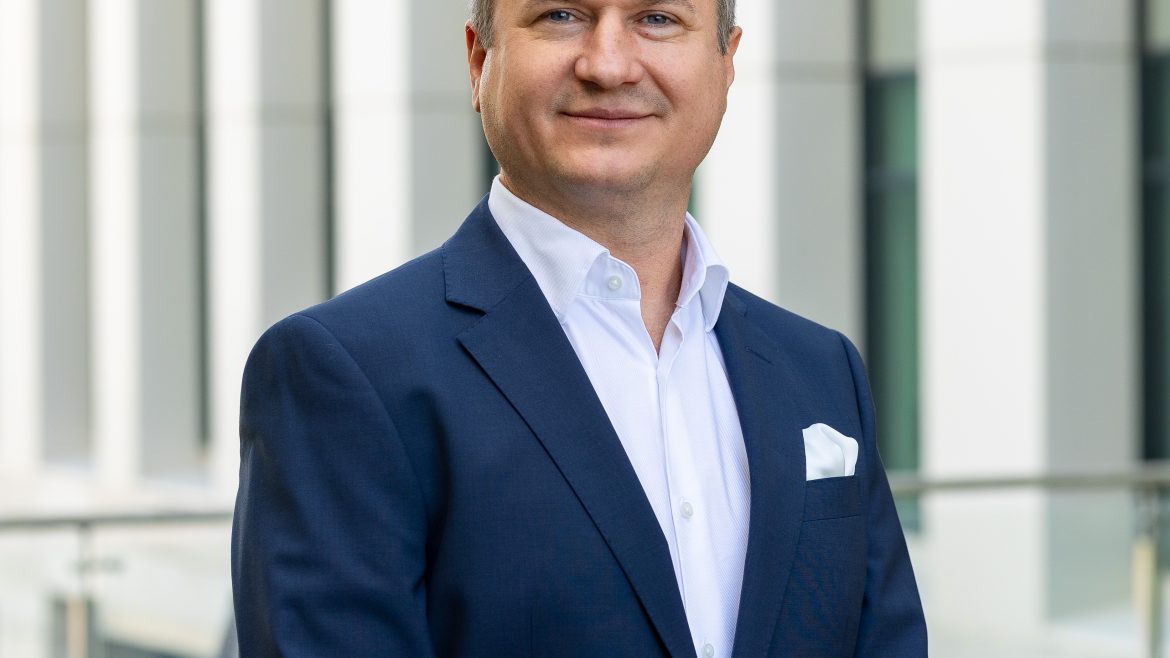
 Antoniu Panait, Managing Director, Vastint Romania

What are your company’s business targets and plans for 2026?

In 2026, our priority is to keep delivering long-term value through high-occupancy, high-performance, future-proof assets and to reach our next major milestone in Bucharest: the delivery of Timpuri Noi Square Phase 2, planned for Q4 2026. This is currently the largest office building under development in the city, adding over 60,000 sqm GLA and bringing the entire complex to 112,000 sqm GLA.

Our focus for 2026 is built around a few clear directions:

  • Deliver Timpuri Noi Square Phase 2 on schedule and at top sustainability performance. The new building is designed as a landmark development that eliminates fossil fuels and relies on renewable sources, including 1,700 sqm of photovoltaic panels, heat pumps and geothermal wells. We are targeting LEED Platinum at the highest level (100+ points). Phase 2 also brings major facilities such as 690 underground parking spaces and an expanded retail mix, including New Tales, the largest food hall integrated into an office project in Romania, spanning nearly 6,000 sqm.
  • Keep our existing portfolio highly competitive through tenant experience.
  • Expand flexible leasing solutions such as Ready Flex Space.
  • Add new services that strengthen the ecosystem around our projects. This spring, we are launching The Venue, a fully equipped conference center with 400 sqm indoor space and an exclusive 300 sqm terrace, available both to our tenants and to companies outside our portfolio.
  • Continue investing in communities, integrating our development into the city and supporting initiatives with measurable, long-term impact.

What were the main business results for 2025?

2025 confirmed a clear market direction: demand continues to concentrate in efficient, well-located, sustainable buildings, while quality and operational discipline are increasingly rewarded.

For us, the year delivered several strong results. Timpuri Noi Square Phase 1 reached 100% occupancy across its first three buildings, totaling 52,100 sqm, providing a solid foundation for Phase 2. We also officially launched Phase 2, with construction advancing significantly, structural works nearing completion and progress well underway on MEP, façade and finishing stages.

At Business Garden Bucharest, leasing activity remained strong, further validating the project’s green campus positioning. We also launched Ready Flex Space (2,321 sqm), which was almost fully leased shortly after delivery, underlining that flexible, high-quality office space is now mainstream demand.

Beyond commercial performance, 2025 was marked by concrete ESG action and community engagement, from supporting the Dâmbovița River revitalization to our blood donation initiatives, and by the completion of The Venue Timpuri Noi, further enriching the ecosystem around our projects.

What economic pressures or regulatory/fiscal changes do you anticipate impacting the market in 2026, and how is your company preparing for these?

In 2026, we expect the market to continue operating under the combined pressure of inflation, elevated financing costs and a tighter fiscal environment. Inflation remains relevant not only as a macro indicator, but because it directly affects occupier budgets, operating expenses and investment decisions.

Our response is pragmatic and long-term. We focus on developing and operating assets that can perform under higher cost pressure and stricter ESG requirements, through energy efficiency, electrification and predictable building performance. At the same time, we maintain very strong project controls and delivery discipline, because in a high-interest-rate environment, projects that deliver predictably and without compromise are the ones that stand out.

We also support occupiers in managing uncertainty by offering flexible leasing options and turnkey solutions, allowing them to move faster, reduce execution risk and still secure high-quality space.

What do you see as the main risks for the Romanian real estate market in 2026?

One of the main risks for 2026 is the impact of a tighter fiscal environment, which can affect investment appetite, financing conditions and overall development feasibility if not applied in a predictable and balanced way.

Another significant risk is the lack of clarity and consistency in urban planning and permitting frameworks. Uncertainty around urbanistic regulations can delay projects, increase costs and discourage long-term investment, particularly in complex, large-scale developments that require clear rules and stable timelines. More broadly, the market risks being affected by policy uncertainty rather than fundamentals. Romania continues to benefit from solid demand drivers, but sustaining healthy development activity will depend on fiscal and regulatory frameworks that support long-term, responsible investment rather than short-term adjustments

Where do you see the most attractive opportunities for growth in 2026?

The most attractive opportunities in 2026 are in projects that successfully combine strong location, operational efficiency, credible ESG performance and high-quality day-to-day occupier experience.

We also see renewed opportunity in the return of forward-looking commitments, including pre-leases, as occupiers respond to constrained development pipelines and seek to secure space earlier, before options narrow. Low delivery volumes and evolving vacancies are creating the conditions for a more proactive leasing cycle.

Beyond that, we see growth in “ecosystem” assets, meaning office destinations that integrate amenities, services, and community features that support attendance, retention, and tenant engagement, not just a workplace footprint. And, on a wider horizon, infrastructure improvements can gradually reshape corporate location strategies, creating new pockets of demand where connectivity improves, so we keep a close eye on where those shifts are happening and how they translate into real occupancy and leasing momentum.